
Calcium Chloride (E509) CAS: 10043-52-4
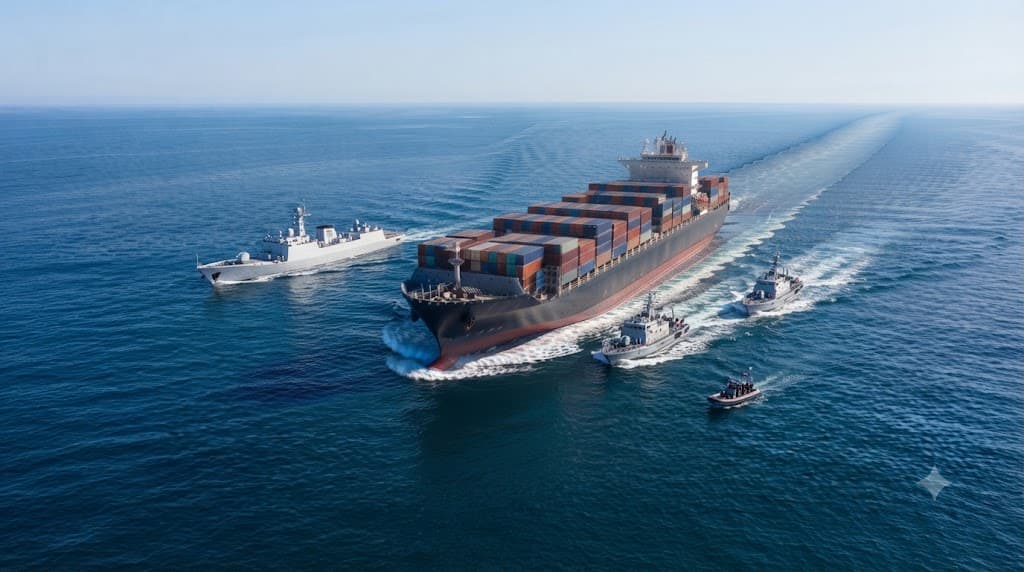
Iran's interception of four vessels over the weekend reveals critical insights into its naval enforcement posture. Chemical buyers must assess supply chain vulnerabilities and adjust sourcing strategies immediately.
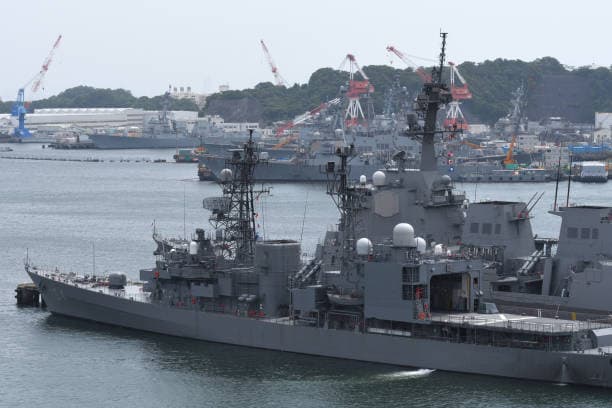
The recent strike on a Jordanian military base has highlighted that security threats in the Middle East extend far beyond the Strait of Hormuz. Freight planners must now account for new risks that can disrupt transport corridors and chemical supply chains across the region.
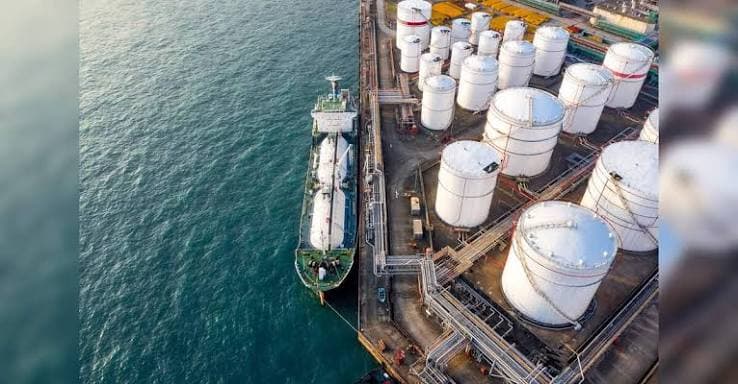
Although vessel movements through the Strait of Hormuz are increasing, the shipping backlog accumulated during the crisis remains substantial. Understanding convoy throughput and queue management provides buyers with a more realistic timeline for delayed chemical cargo arrivals during H2 2026.
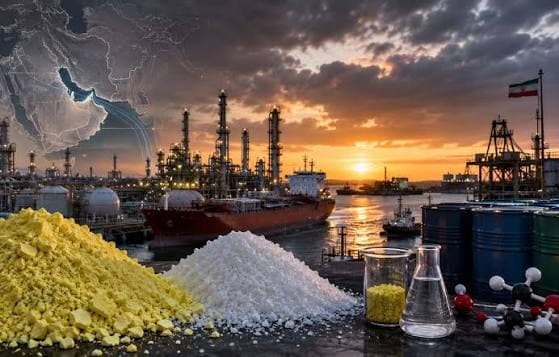
The suspension of methanol exports from Ar-Razi Saudi Methanol, one of the world’s largest methanol producers and a critical Mitsubishi Gas Chemical joint venture, became one of the most important supply disruptions of the 2026 Hormuz crisis. This week may determine whether improving shipping conditions finally allow commercial supply recovery to begin.
The most important lesson from 124 days of the 2026 Hormuz crisis is that physical supply recovery and diplomatic progress move independently. For chemical procurement teams planning Q3 supply, vessel crossing data from Kpler now matters far more than political statements coming out of Doha negotiations.
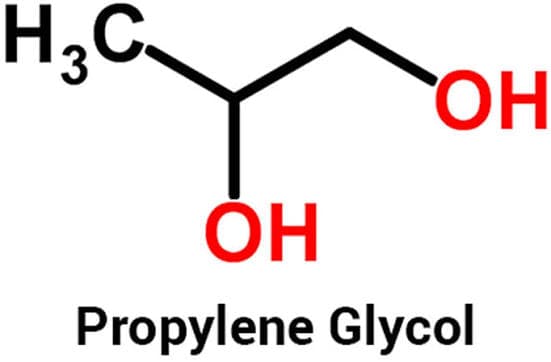
The closure of major propylene oxide capacity has tightened the global supply of USP-grade propylene glycol. Pharmaceutical manufacturers should prioritize supply security and GMP-certified sourcing as Q3 2026 procurement begins.
We're committed to your privacy. Tradeasia uses the information you provide to us to contact you about our relevant content, products, and services. For more information, check out our privacy policy.