
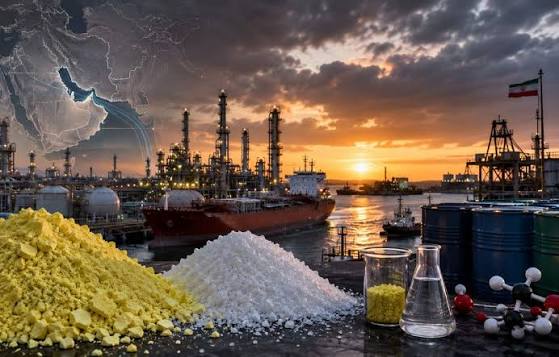
Methanol CAS: 67-56-1
Methanol CAS: 67-56-1
Corporate second‑half guidance can redefine supply chains overnight. This article examines how the new outlook influences procurement, inventory, forecasting, and strategic decisions in the chemical industry. Learn what planners need to anticipate.

The most important lesson from 124 days of the 2026 Hormuz crisis is that physical supply recovery and diplomatic progress move independently. For chemical procurement teams planning Q3 supply, vessel crossing data from Kpler now matters far more than political statements coming out of Doha negotiations.

China's chemical industry ended H1 2026 as the world's primary swing supplier, filling supply gaps created by disruptions in Gulf exports. As Middle Eastern production steadily returns, procurement teams must determine which Chinese export advantages remain permanent and which were driven by exceptional market conditions.
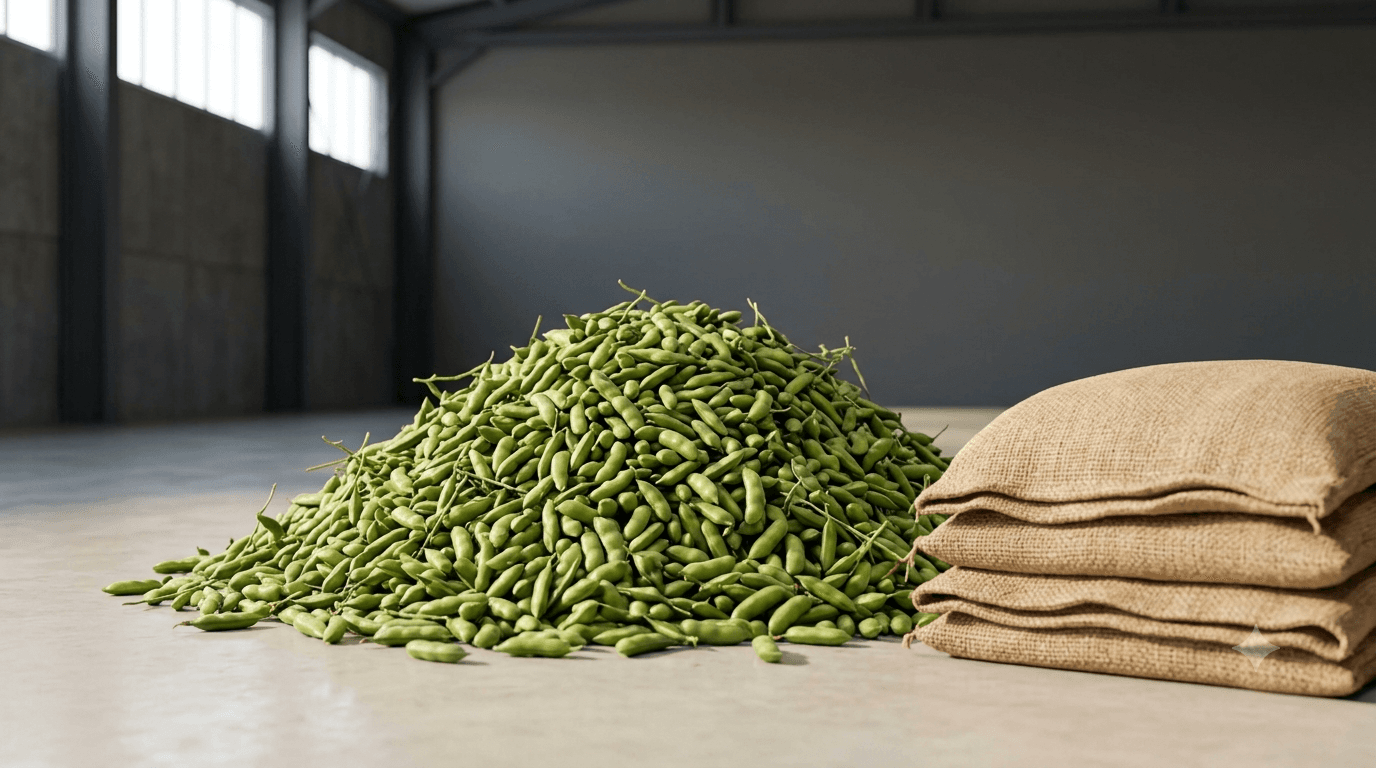
The 2026 Rajasthan guar planting season will determine global guar gum availability for oilfield, food and industrial buyers over the coming year. Early monsoon progress has improved market sentiment, but rainfall distribution across key producing districts will decide whether procurement teams face abundant supply or tighter inventories.
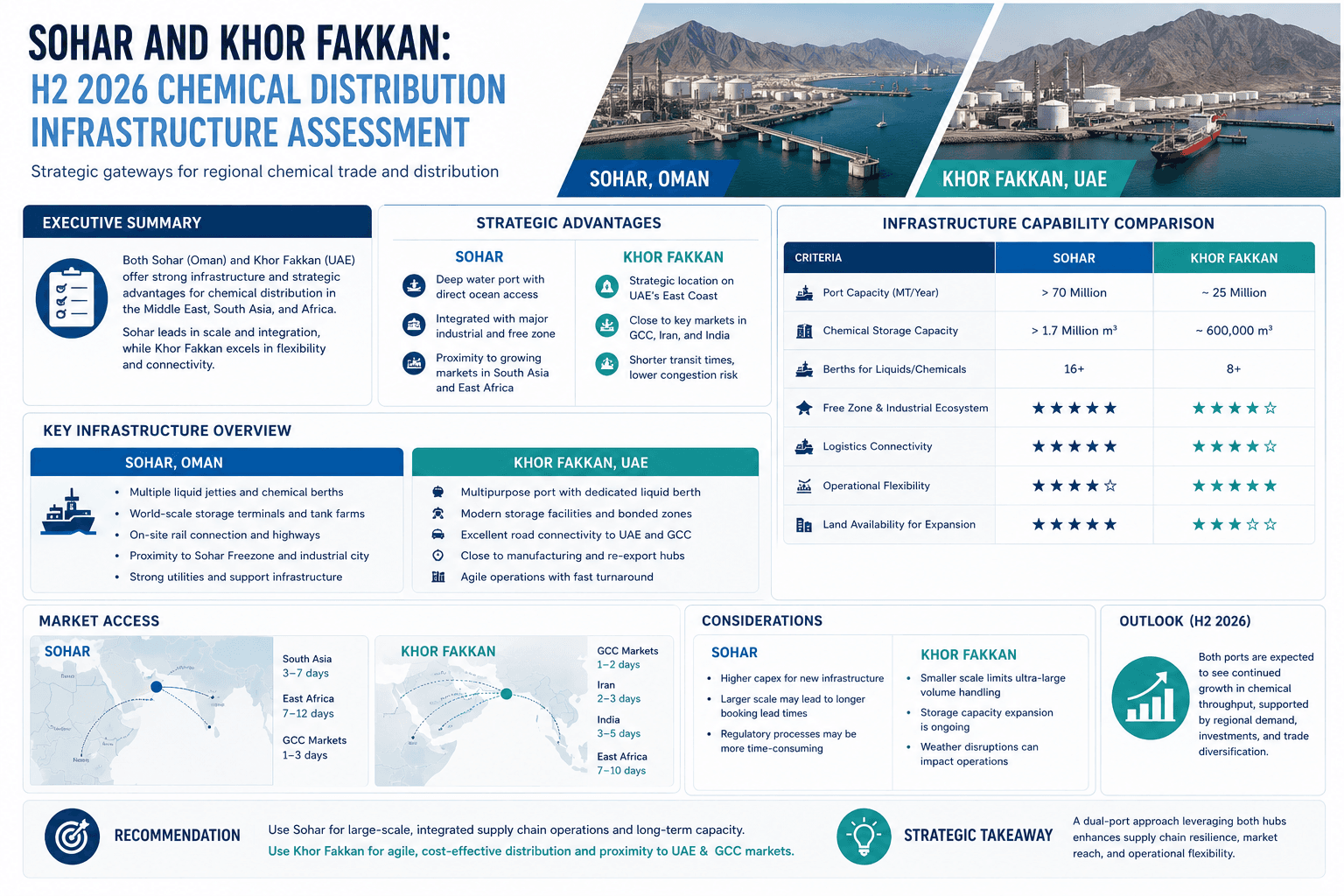
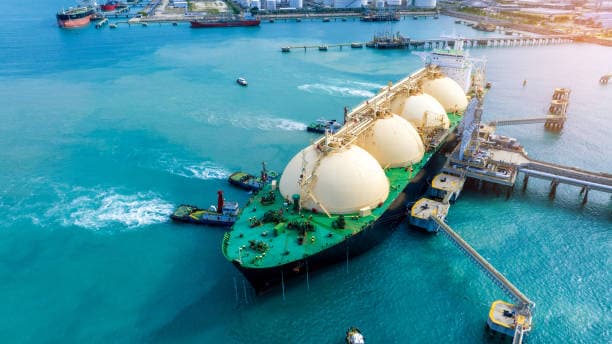
Sohar and Khor Fakkan have emerged as permanent Gulf chemical distribution hubs after the Hormuz crisis disrupted traditional routes. Chemical buyers should now verify exactly where supplier cargo loads, as port selection directly affects insurance costs, lead times, and shipment risk.
Brent crude has dropped to $72.60 despite ongoing military escalation across the Gulf. This unusual market reaction signals that supply recovery currently outweighs geopolitical risk, creating important implications for petrochemical procurement and chemical pricing in the months ahead.
We're committed to your privacy. Tradeasia uses the information you provide to us to contact you about our relevant content, products, and services. For more information, check out our privacy policy.