
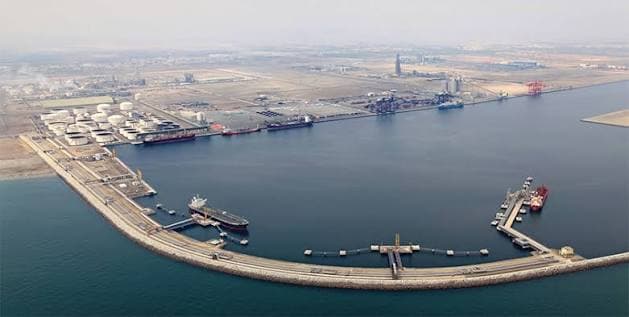
As Gulf shipping gradually recovers, the focus of chemical logistics is shifting from maritime security to port capacity. One facility now attracting particular attention is Port of Sohar, which has served as one of the Gulf's most important chemical distribution hubs throughout the Hormuz crisis.
For more than four months, Sohar has absorbed traffic that would normally have moved through multiple regional ports. Now, as convoy operations accelerate and stranded vessels begin re-entering commercial schedules, the port faces a new operational challenge: managing rising vessel volumes without creating another supply chain bottleneck.
Sohar Has Become the Gulf's Primary Logistics Hub
Throughout H1 2026, Sohar played a central role in maintaining Gulf chemical trade.
Its strategic location outside the Strait of Hormuz and close coordination with regional maritime authorities made it an important gateway for:
Chemical tankers.
Bulk liquid cargoes.
Fertilizer exports.
Petrochemical feedstocks.
Regional redistribution cargo.
This expanded role enabled Gulf supply chains to continue functioning despite significant disruption elsewhere.
Maximum Capacity Creates New Challenges
While Sohar has successfully supported regional trade, the port was originally designed for normal commercial volumes rather than prolonged crisis-level utilisation.
Following months of sustained activity, several operational pressures are becoming more significant:
Higher berth occupancy.
Increased tanker arrivals.
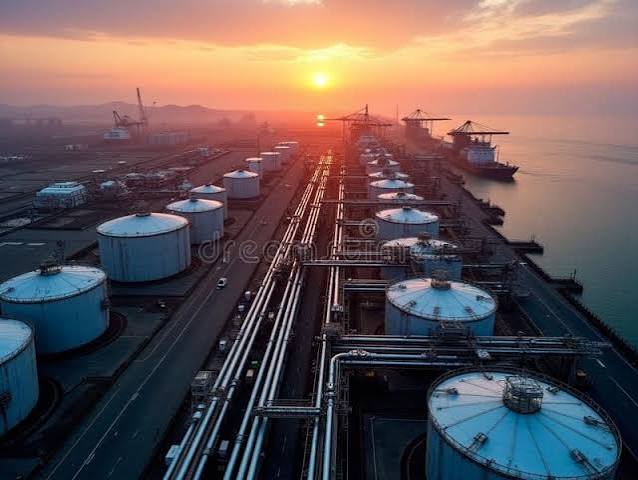
Greater demand for storage facilities.
More intensive terminal operations.
Longer scheduling requirements for vessel movements.
These conditions increase the possibility of temporary congestion even as wider regional logistics continue improving.
Convoy Operations Concentrate Traffic
The gradual implementation of escorted convoy movements has introduced another important operational factor.
Many vessels departing the Gulf or preparing for escorted transit now rely on coordinated scheduling through Omani waters.
This creates additional traffic associated with:
Convoy staging.
Coastal transit planning.
Maritime safety coordination.
Vessel sequencing.
Rather than dispersing traffic across multiple locations, these activities naturally concentrate more commercial shipping around Sohar.
Backlog Clearance Adds Further Pressure
The release of stranded commercial vessels represents a positive development for global supply chains.
However, it also means that ports supporting recovery operations must process both:
Regular commercial traffic.
Delayed vessels re-entering service.
Convoy-related movements.
New export cargoes.
This temporary overlap may increase berth demand before traffic patterns gradually return to more balanced levels.
Berth Availability Becomes the Key Operational Variable
For chemical buyers, the principal operational concern is no longer whether cargo can move through the Gulf.
Instead, attention is increasingly turning toward berth availability and terminal efficiency.
Even where vessels arrive on schedule, limited berth availability can influence:
Loading operations.
Discharge timing.
Port waiting periods.
Tanker turnaround times.
Overall shipment reliability.
As a result, port congestion may temporarily become a larger source of delay than open-water navigation.
Why Port Congestion Can Delay Recovery
As maritime security improves, the limiting factor for Gulf logistics is increasingly shifting from safe navigation to port handling capacity.
Even if convoy operations successfully increase vessel movements through the Strait of Hormuz, those vessels must still be accommodated at terminals with finite berth availability, storage capacity and cargo handling resources.
For Sohar, this means that improving regional shipping conditions could temporarily increase operational pressure before congestion begins to ease.
What Chemical Buyers Should Monitor This Week
For companies sourcing chemicals through Sohar, the priority is no longer simply tracking vessel departures.
Instead, procurement and logistics teams should monitor operational indicators that directly influence delivery schedules.
Key metrics include:
Average berth waiting times.
Anchorage queue length.
Terminal loading and discharge schedules.
Tanker turnaround times.
Updated estimated arrival and departure dates from shipping lines.
These indicators provide a more accurate picture of supply chain performance than vessel movement alone.
Procurement Planning Should Account for Port Delays
Although Gulf shipping continues improving, buyers should avoid assuming that every logistics stage will recover simultaneously.
Recommended actions include:
Confirm berth allocation with suppliers before vessel arrival.
Request updated port congestion reports from freight forwarders.
Build additional scheduling flexibility into July and August delivery plans.
Review inventory levels for critical raw materials.
Coordinate closely with shipping agents regarding revised arrival windows.
Planning around potential port congestion helps reduce downstream manufacturing disruptions.
Sohar's Strategic Importance Is Growing
Rather than diminishing as Gulf shipping recovers, Sohar's importance may continue increasing during the transition period.
The port now performs several strategic functions simultaneously:
Supporting regional chemical exports.
Facilitating convoy-related vessel movements.
Serving as a logistics hub for Omani coastal routing.
Assisting with backlog clearance operations.
Supporting broader Gulf maritime recovery.
This expanded role reinforces Sohar's position as one of the region's most strategically significant chemical logistics gateways.
Looking Ahead to H2 2026
The recovery of Gulf chemical logistics is entering a new operational phase where port capacity—not maritime security alone—will increasingly determine supply chain performance. Port of Sohar has played a critical role throughout the Hormuz disruption, providing a reliable distribution hub while regional shipping routes adapted to unprecedented operational challenges.
As convoy operations expand and stranded vessels gradually re-enter commercial service, temporary congestion at Sohar should be viewed as a consequence of recovery rather than a sign of renewed disruption. Higher berth utilisation reflects increasing commercial activity, but it also highlights the importance of carefully managing terminal capacity during the transition back toward normal trading conditions.
For procurement professionals, the key lesson is to monitor the entire logistics chain rather than focusing exclusively on Strait of Hormuz transit conditions. Vessel movement through the Gulf, berth availability at Sohar and terminal operating efficiency will together determine shipment reliability throughout H2 2026. Companies that incorporate port capacity monitoring into their procurement planning will be better positioned to manage delivery schedules as Gulf trade continues its gradual recovery.
Ready to source industrial chemicals from verified global suppliers? Explore competitive offers on our platform today.
Methanol CAS: 67-56-1