Introduction
The global crude glycerine market stands at a critical juncture, with its price trajectory increasingly dictated by the powerful interplay between burgeoning Asian demand and a complex, shifting global supply landscape. As a primary byproduct of biodiesel production and a key feedstock for the oleochemicals industry, crude glycerine's value is intrinsically linked to energy policies, agricultural cycles, and industrial growth. The early 2026 forecast presents a scenario where Asia's insatiable appetite for chemical intermediates and sustainable materials collides with supply-side variables from the Americas, Europe, and Southeast Asia itself. For stakeholders across the value chain—from biodiesel producers to manufacturers of refined glycerine, epichlorohydrin, and propylene glycol—understanding this dynamic is paramount for strategic planning and risk mitigation.
This article provides a comprehensive analysis of the factors poised to shape the crude glycerine market as we approach 2026. We will dissect the demand drivers within Asia, examine the global supply mechanisms, delve into the product's specifications and pivotal role, and synthesize these elements into a coherent price implication analysis. The insights herein are designed to equip traders, procurement managers, and industry analysts with the knowledge needed to navigate the anticipated market volatility and identify opportunities within the oleochemicals and palm derivatives sectors.
The Asian Engine: Unpacking Regional Demand Drivers
Asia's economic and industrial expansion continues to be the single most significant force driving demand for chemical feedstocks. For crude glycerine, this demand is multifaceted. Firstly, the region's commitment to renewable energy, particularly biodiesel blending mandates in Indonesia (B35/B40), Malaysia, and Thailand, ensures a steady domestic production of glycerine. However, the quality and volume of this supply often do not fully meet the sophisticated needs of downstream industries, creating a parallel import demand for specific grades. Secondly, Asia's massive oleochemicals industry, which converts palm derivatives and other oils into fatty acids, alcohols, and esters, relies heavily on glycerine as a co-product and a feedstock, creating a complex, integrated demand loop.
Furthermore, China's chemical sector is increasingly using crude glycerine for the production of epichlorohydrin (ECH) and as a renewable carbon source for fermentation processes, including the production of 1,3-Propanediol (PDO). India's growing pharmaceutical and personal care industries also contribute to sustained demand for refined glycerine, the production of which starts with crude feedstock. This internal consumption is compounded by Asia's role as a manufacturing hub for global markets, meaning regional demand also reflects export-oriented production. The cumulative effect is a demand base that is large, diverse, and structurally embedded in the region's industrial policy, making it relatively inelastic to minor price fluctuations.
Global Supply Dynamics: Production Shifts and Trade Flows
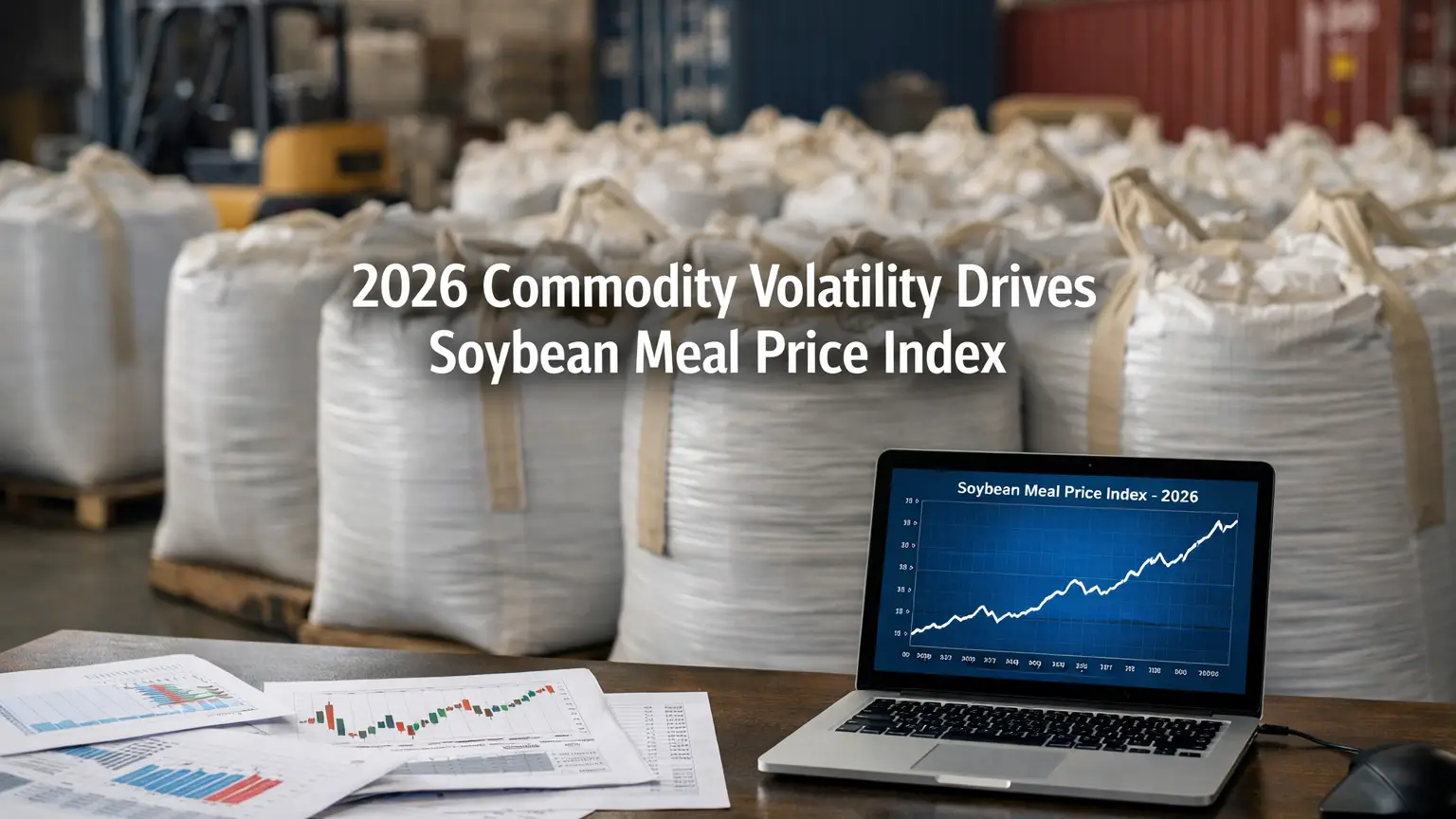
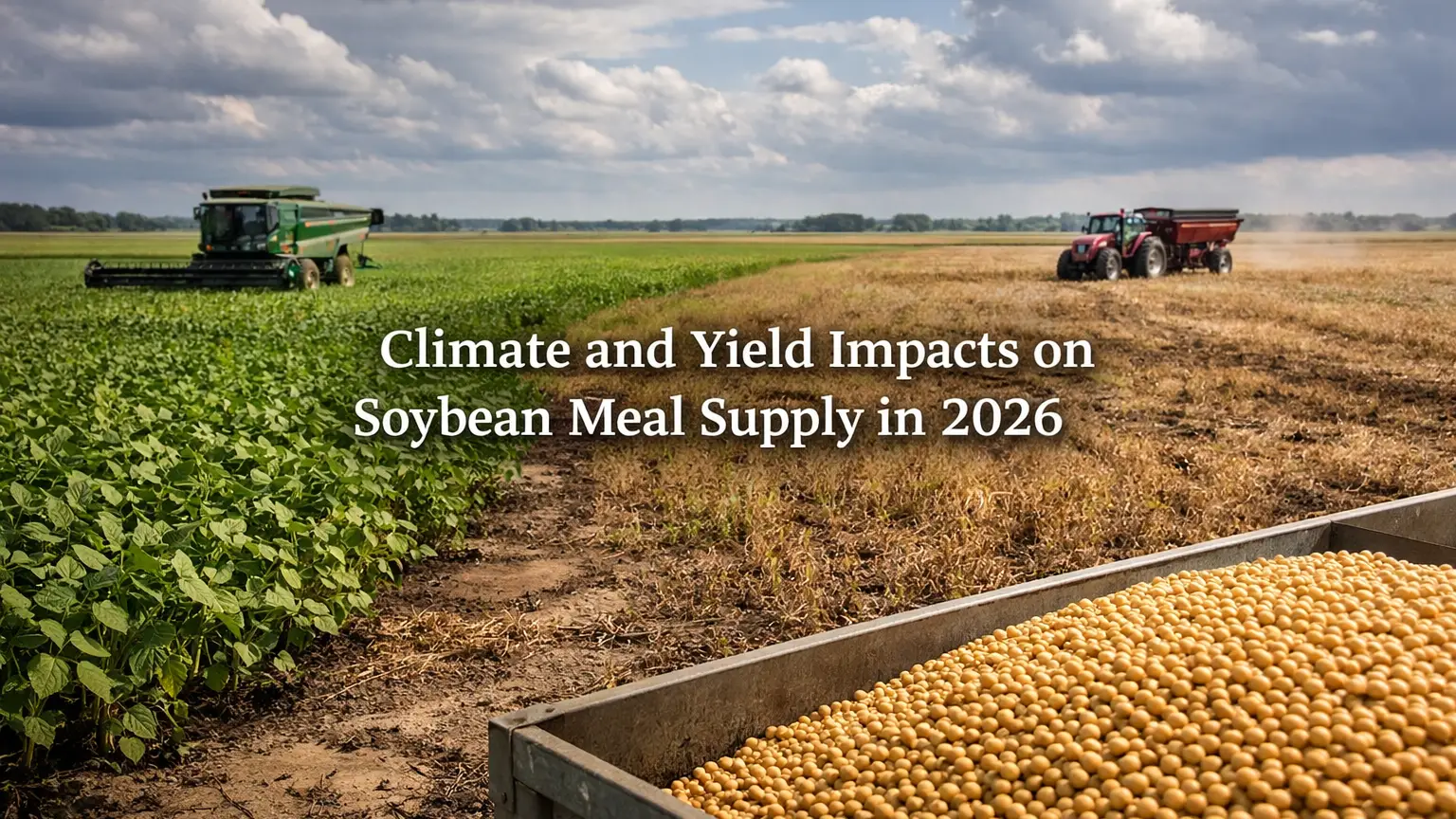
On the supply side, the market is influenced by a triad of factors: biodiesel output in key regions, vegetable oil prices (particularly soybean and palm), and global trade policies. The United States and South America (notably Argentina and Brazil) are major producers of soy-based biodiesel and, consequently, soy-derived crude glycerine. Their export volumes to Asia are a critical price determinant. A strong soybean harvest in the Americas leading into 2025/2026 could depress global vegetable oil prices, potentially making biodiesel production more attractive and increasing glycerine byproduct output, thus applying downward pressure on crude glycerine prices.
Conversely, supply constraints can arise from multiple vectors. Weather anomalies affecting oilseed crops, changes in biofuel subsidies or mandates in the EU and US, and logistical bottlenecks in major ports can all tighten supply. Southeast Asia, while a demand giant, is also a supply source via its palm-based biodiesel industry. However, regional policies prioritizing domestic consumption of palm oil for food and fuel can limit exportable surplus of both palm oil and its byproducts. The net supply available to the global market, therefore, is a delicate balance of these competing production incentives and constraints across continents, making trade flows into Asia particularly sensitive to arbitrage opportunities and freight costs.
Spotlight on Crude Glycerine: Specifications and Market Role
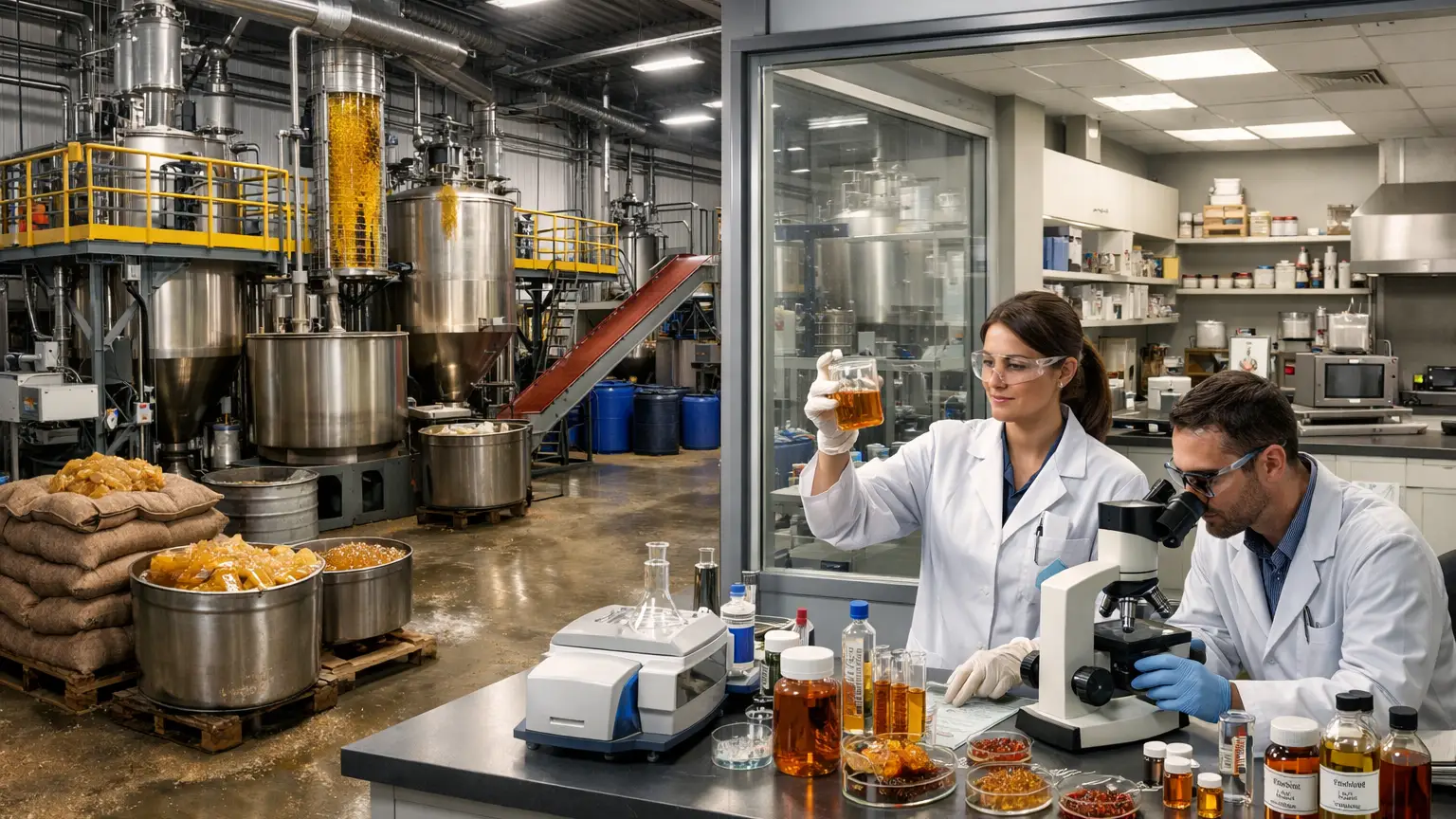
To understand its market behavior, one must appreciate crude glycerine as a distinct product. It is typically an 80% minimum glycerine content material, with the remainder consisting of water, salts, and Matter Organic Non-Glycerol (MONG) such as residual fatty acids and methanol. Its specifications—including glycerine content, ash content, and methanol levels—vary significantly based on the feedstock (palm, soy, rapeseed, used cooking oil) and the biodiesel production process. These variations directly impact its suitability for different downstream applications and its pricing relative to refined glycerine (typically 99.5%+ purity).
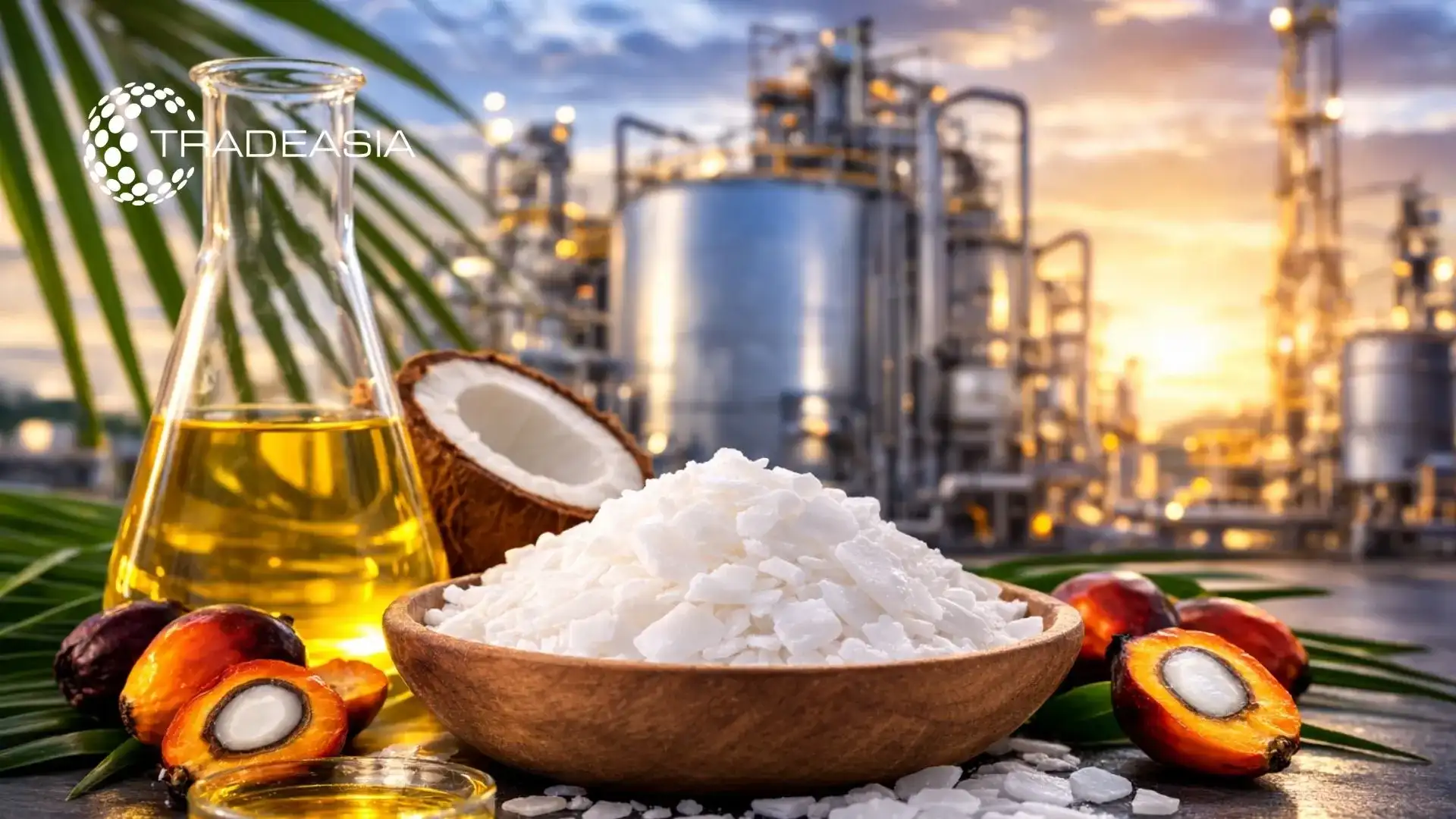
Within the oleochemicals ecosystem, crude glycerine serves as both a benchmark and a feedstock. Its price often sets a floor for refined glycerine markets. For many mid-stream processors, sourcing the correct specification of crude material is a key cost optimization strategy. Companies engaged in the trade of palm derivatives and oleochemicals must navigate these specifications carefully. A batch of palm-based crude glycerine from Indonesia may have a different impurity profile than soy-based material from Argentina, affecting its processing cost in a refinery or its direct use in technical applications like animal feed or dust suppression.
Applications Fueling Growth: From Biodiesel to Oleochemicals
The demand for crude glycerine is ultimately derived from its vast and growing application spectrum. Its primary source, the biodiesel industry, is also a consumer, as glycerine is used in some biodiesel plant operations. Beyond this, the most significant pathway is upgrading to refined glycerine for use in pharmaceuticals, cosmetics, food (humectant), and tobacco. However, the more price-sensitive and volume-driven applications are crucial for absorbing the global surplus. These include its use as a feedstock for producing epichlorohydrin (ECH), a key epoxy resin precursor, and for fermentation into bio-based chemicals like PDO and organic acids.
Other industrial applications include animal feed, where it serves as an energy source, and in the manufacturing of alkyd resins, explosives (nitroglycerine), and as a de-icing fluid. In Asia, the growth of bio-refineries that integrate glycerine valorization into their process design is a notable trend. This circular approach, often seen in complex oleochemicals plants, creates captive demand and can reduce the volume of crude glycerine freely available on the spot market, contributing to price support. The diversification of end-uses provides a buffer; when prices for refined glycerine are low, the economic incentive to invest in refining capacity decreases, shifting more crude material towards technical applications.
Price Implications and Strategic Outlook for Early 2026
Synthesizing the demand and supply analysis points towards a market characterized by elevated volatility with a potential bullish bias in early 2026. The core thesis is that Asian demand, especially from the oleochemicals and bio-chemical sectors, will continue to grow at a pace that may outstrip the incremental supply growth from global biodiesel programs. This is particularly likely if environmental policies in Europe and North America accelerate the adoption of advanced biofuels from waste feedstocks, which have different glycerine yield profiles than conventional crop-based biodiesel. A supply crunch in the palm derivatives complex could also have a knock-on effect, making palm-based glycerine tighter.
Price implications are multifaceted. We anticipate a widening price spread between different specifications of crude glycerine, with higher-purity, low-MONG material commanding a significant premium due to lower refining costs. Geographic price differentials between Asia, Europe, and the Americas will be sensitive to freight rates and currency fluctuations. For buyers, a strategic approach involving diversified sourcing (balancing palm and non-palm origins), potential forward contracting in late 2025, and close collaboration with knowledgeable suppliers who understand the specification-application nexus will be critical. For sellers, the ability to provide consistent quality and reliable logistics to Asian ports will be a key competitive advantage.
Conclusion
The outlook for crude glycerine prices in early 2026 is inextricably linked to the health of the global biodiesel and oleochemicals industries, with Asia sitting firmly in the driver's seat. While increased biodiesel production worldwide suggests a larger theoretical supply of glycerine, the quality and location of this supply may not perfectly align with Asia's sophisticated and growing demand base. Factors such as feedstock costs, environmental regulations, and the pace of innovation in glycerine valorization will introduce significant volatility. Market participants must move beyond viewing crude glycerine as a simple commodity byproduct and instead recognize it as a strategic feedstock with complex supply chains and specification-sensitive demand.
Success in this market will require agility, deep market intelligence, and strong partnerships across the value chain. By monitoring the key indicators—biodiesel mandate changes in Indonesia and the EU, soybean harvest reports from the Americas, and new capacity announcements in the Asian oleochemicals sector—stakeholders can position themselves to manage risk and capitalize on the opportunities that this dynamic market will undoubtedly present in the lead-up to 2026.
Disclaimer: This article is for informational and market insight purposes only. It is not intended as technical, safety, financial, or professional advice of any kind. The data, trends, and forecasts presented are based on current market analysis and are subject to change without notice. We strongly advise all readers to independently verify any information contained herein with qualified experts, consult official product documentation such as Material Safety Data Sheets (MSDS/SDS) for safety and handling specifications, and contact our technical team or relevant professionals for guidance on specific applications, transactions, or compliance requirements.
Leave a Comment