
Sodium Laureth Sulphate (SLES) and SLS: The Two Surfactants at the Heart of Every Shower Product
Overview
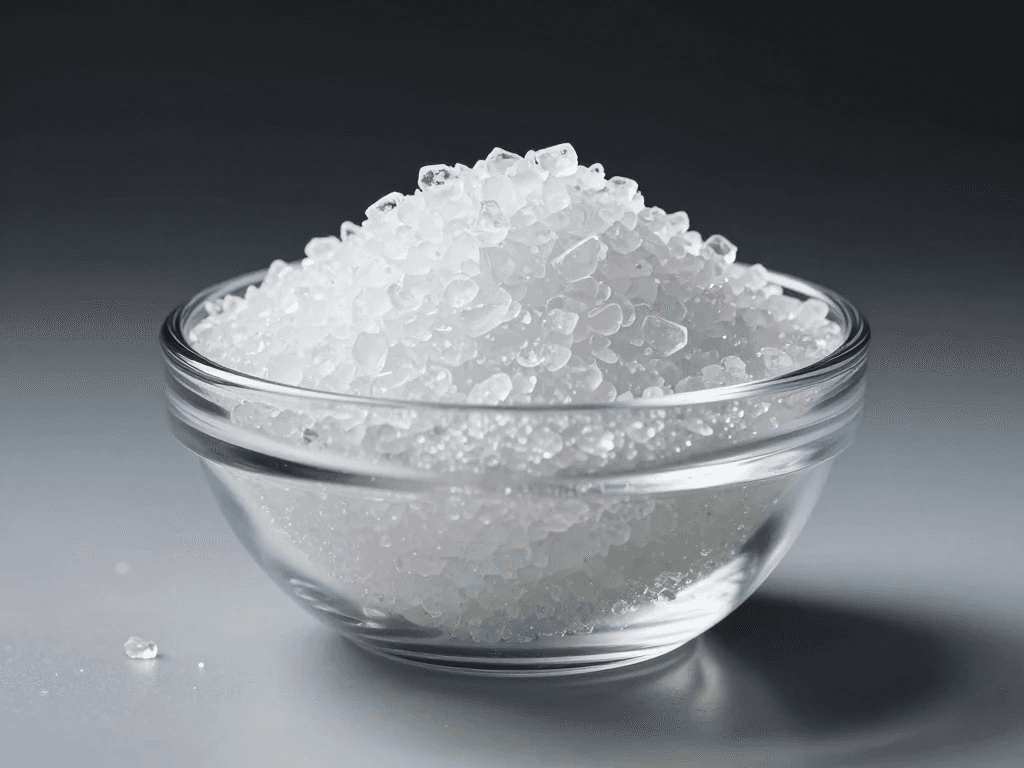
Sodium Laureth Sulphate (SLES) and Sodium Lauryl Sulphate (SLS) are among the most widely used surfactants in the personal care and home care industries. These ingredients are responsible for the cleansing, foaming, and emulsifying properties found in everyday products such as shampoos, body washes, facial cleansers, hand soaps, toothpaste, and household cleaning products.
Due to their effectiveness and affordability, SLES and SLS remain essential ingredients in billions of consumer products sold worldwide.

What Are SLES and SLS?
Sodium Lauryl Sulphate (SLS)
SLS is an anionic surfactant produced from lauryl alcohol, which is typically derived from palm kernel oil, coconut oil, or petrochemical feedstocks. It is known for its strong cleaning power and rich foam generation.
Sodium Laureth Sulphate (SLES)
SLES is produced by ethoxylating lauryl alcohol before sulfation, making it a milder surfactant than SLS. The added ethoxy groups reduce irritation potential while maintaining excellent cleansing and foaming performance.

Key Applications
SLES and SLS are widely used in:
Shampoos
Body washes
Liquid hand soaps
Facial cleansers
Toothpaste
Bubble baths
Dishwashing liquids
Household cleaners
Industrial cleaning formulations
Their ability to remove oils, dirt, and grease efficiently makes them indispensable in both personal care and cleaning industries.

Why Manufacturers Prefer SLES
Compared with SLS, SLES offers:
Milder skin interaction
Reduced irritation potential
Good foaming performance
Effective cleansing properties
Compatibility with premium cosmetic formulations
As a result, SLES is commonly used in modern shampoos and body washes where consumer comfort is important.
Raw Material Supply Chain
The production chain typically follows:
Palm Kernel Oil/Coconut Oil → Fatty Alcohols → Ethoxylation → Sulfation → SLES
or
Palm Kernel Oil/Coconut Oil → Fatty Alcohols → Sulfation → SLS
Key raw materials include:
Natural fatty alcohols
Ethylene oxide (for SLES)
Sulfur-based chemicals
Petrochemical intermediates
Because of this dependence on both oleochemical and petrochemical feedstocks, SLES and SLS prices are influenced by palm oil markets, crude oil prices, and ethylene oxide availability.
Impact of Supply Chain Disruptions
Global disruptions affecting petrochemicals, shipping routes, or palm oil supply can influence production costs for SLES and SLS.
Major risk factors include:
Higher ethylene oxide costs
Rising palm kernel oil prices
Freight and logistics disruptions
Energy price volatility
Regulatory and sustainability requirements
Manufacturers often pass part of these increased costs into personal care and household cleaning products.
Role in the Personal Care Industry
The global personal care market depends heavily on SLES and SLS because they provide:
Rich lather consumers expect
Effective removal of oils and dirt
Stable product formulations
Cost-efficient manufacturing
Consistent performance across water conditions
Even as sulfate-free products gain popularity, SLES and SLS continue to dominate mass-market formulations due to their performance and affordability.
Activated Carbon (Powder) - India CAS: 7440-44-0
Sustainability Trends
The industry is increasingly focused on:
Sustainable palm oil sourcing
RSPO-certified feedstocks
Lower-carbon manufacturing processes
Biodegradable surfactant systems
Reduced environmental impact
Many manufacturers are investing in greener supply chains while maintaining the performance advantages of sulfate-based surfactants.
Market Outlook
Demand for shampoos, body washes, hand hygiene products, and household cleaners continues to support long-term growth in SLES and SLS consumption. Rapid urbanization, rising disposable incomes, expanding personal care markets, and increasing hygiene awareness in developing economies are expected to sustain global demand.
Key Takeaways
SLES and SLS are the most widely used surfactants in personal care products.
They provide cleansing, foaming, and emulsifying properties.
SLES is generally milder than SLS and is preferred in many premium formulations.
Production depends on fatty alcohols, ethylene oxide, and sulfur-based chemicals.
Raw material and logistics costs significantly influence market prices.
Growing demand for hygiene and personal care products supports long-term market growth.