

Surfactant Market: LABSA, SLES, and Biosurfactant Demand in June 2026
Introduction
The global surfactant industry is entering a transformative phase in June 2026, driven by strong demand from household cleaning, personal care, industrial processing, and sustainable product development. Traditional surfactants such as Linear Alkyl Benzene Sulfonic Acid (LABSA) and Sodium Lauryl Ether Sulfate (SLES) continue to dominate global consumption, while biosurfactants are rapidly gaining market share as manufacturers pursue greener and more environmentally friendly formulations.
As supply chains adapt to feedstock volatility and changing consumer preferences, the surfactant market is witnessing a significant shift toward balancing performance, cost efficiency, and sustainability.
Global Surfactant Market Outlook
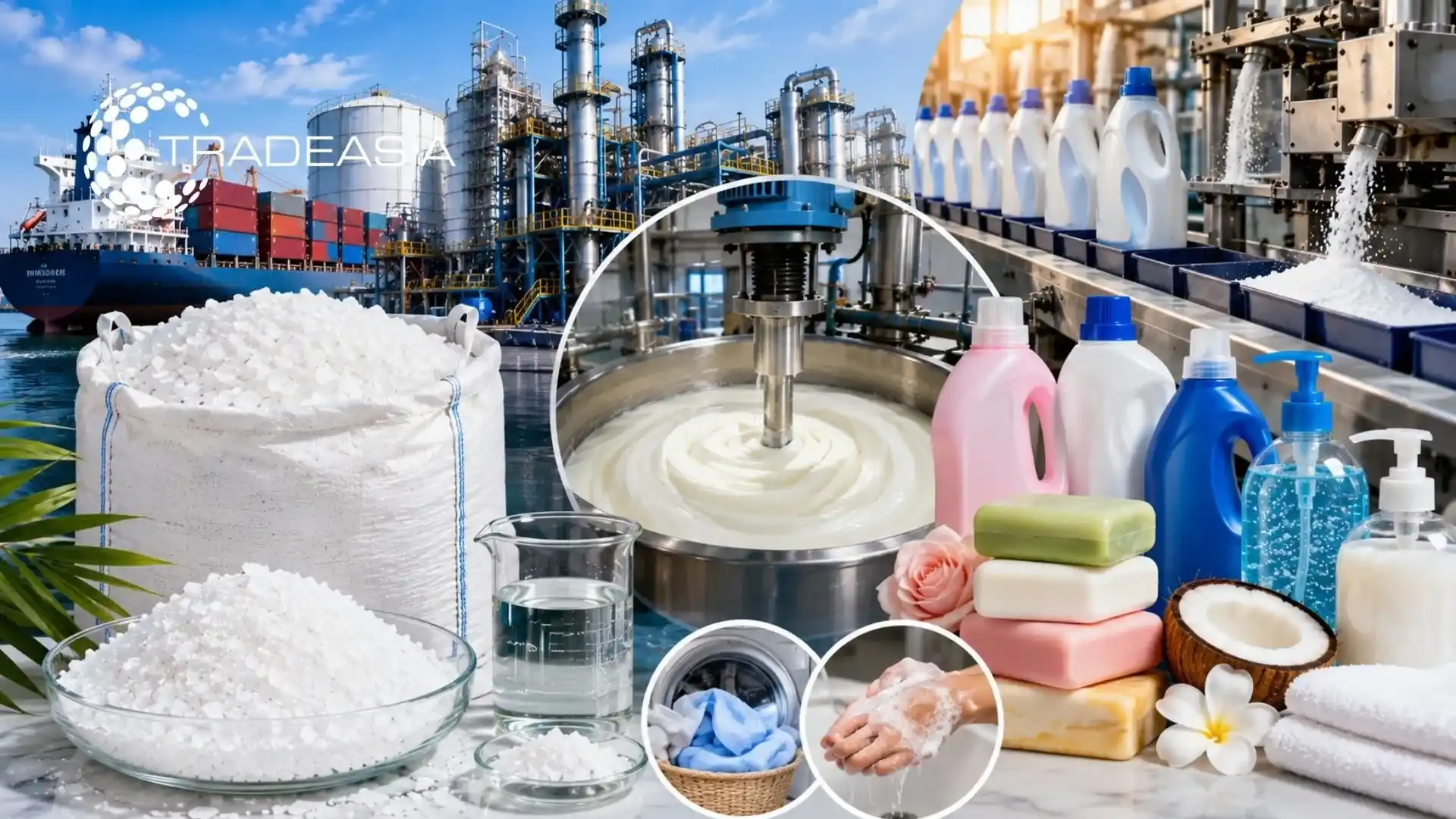
Surfactants remain essential ingredients in detergents, shampoos, soaps, industrial cleaners, agrochemicals, textiles, and oilfield chemicals. The global surfactant market is projected to continue expanding throughout 2026, supported by rising hygiene awareness, growing urbanization, and increased consumption of personal care products. Asia-Pacific remains the largest demand center due to its strong manufacturing base and expanding consumer markets.
At the same time, sustainability regulations and consumer demand for eco-friendly products are encouraging manufacturers to explore bio-based alternatives alongside conventional surfactants.
LABSA Demand Remains Strong
Linear Alkyl Benzene Sulfonic Acid (LABSA) continues to be one of the most widely used anionic surfactants globally. Its excellent detergency, foaming properties, and cost-effectiveness make it a critical ingredient in laundry detergents, dishwashing liquids, and industrial cleaning formulations.
Key Drivers of LABSA Growth
Rising demand for household cleaning products.
Expanding detergent manufacturing in emerging economies.
Increased hygiene awareness among consumers.
Continued growth in industrial and institutional cleaning sectors.
However, LABSA producers are facing challenges from fluctuating feedstock costs, logistics disruptions, and environmental compliance requirements. Price volatility linked to raw materials such as linear alkylbenzene and benzene derivatives remains a major concern for manufacturers and buyers alike.
SLES Market Supported by Personal Care and Cleaning Products
Sodium Lauryl Ether Sulfate (SLES) remains a cornerstone ingredient in shampoos, body washes, liquid soaps, household cleaners, and industrial detergents. Despite increasing interest in sulfate-free formulations, SLES continues to offer one of the best cost-to-performance ratios in the surfactant market.
June 2026 Market Trends
Demand for SLES remains resilient due to:
Strong consumption of personal care products.
Growth in liquid detergent formulations.
Expanding FMCG production across Asia and Africa.
Reliable foaming and cleansing performance at competitive costs.
Supply chain pressures remain a significant factor. Manufacturers continue to monitor ethylene oxide and fatty alcohol availability, both of which directly influence SLES production costs and market pricing. Buyers are increasingly adopting multi-origin sourcing strategies to reduce procurement risks.
Biosurfactants Gain Momentum
The most exciting development in the surfactant industry is the rapid rise of biosurfactants. Produced from renewable biological sources, these materials offer lower environmental impact, improved biodegradability, and alignment with sustainability goals.
Why Biosurfactants Are Growing
Several factors are accelerating biosurfactant adoption:
Stricter environmental regulations.
Consumer preference for sustainable products.
Corporate ESG commitments.
Advances in fermentation and biotechnology processes.
Growing demand for green personal care and household cleaning products.
Although biosurfactants still face cost challenges compared to conventional surfactants such as LABSA and SLES, ongoing investments in production capacity are helping improve commercial viability. The global biosurfactant market is expected to experience strong growth throughout the next decade.
Regional Demand Analysis
Asia-Pacific
Asia-Pacific continues to dominate surfactant consumption due to large-scale detergent and personal care manufacturing operations in China, India, Indonesia, and Southeast Asia. Rising disposable incomes and urbanization are further supporting demand growth.
Europe
European demand is increasingly focused on sustainable and bio-based surfactants. Regulatory pressure is encouraging product reformulation and the adoption of environmentally responsible ingredients.
North America
The North American market remains stable, supported by household cleaning products, personal care formulations, and industrial applications. Sustainable sourcing and low-emission production methods are becoming important purchasing criteria.
Challenges Facing the Industry
Despite strong demand, surfactant producers face several ongoing challenges:
Feedstock price volatility.
Rising energy costs.
Supply chain disruptions.
Environmental compliance requirements.
Competition from alternative and bio-based technologies.
Companies that can effectively manage these challenges while maintaining product performance and sustainability standards will be best positioned for long-term success.
Future Outlook
The surfactant market in June 2026 reflects a balance between traditional high-volume products and emerging sustainable alternatives. LABSA and SLES will continue to dominate global consumption due to their affordability and proven performance. At the same time, biosurfactants are expected to capture an increasing share of the market as production technologies mature and environmental regulations become more stringent.
Manufacturers, suppliers, and downstream formulators that invest in sustainable innovation while maintaining supply reliability will be best positioned to capitalize on the evolving surfactant landscape.
Conclusion
The global surfactant industry remains a vital component of modern consumer and industrial products. In June 2026, strong demand for LABSA and SLES continues to support market growth, while biosurfactants are emerging as the industry's next major growth engine. As sustainability, performance, and supply security become increasingly interconnected, the surfactant market is set for continued innovation and expansion in the years ahead.
Biotin CAS: 58-85-5