
Choline Chloride 75% Liquid CAS: 67-48-1
Choline Chloride 75% Liquid CAS: 67-48-1
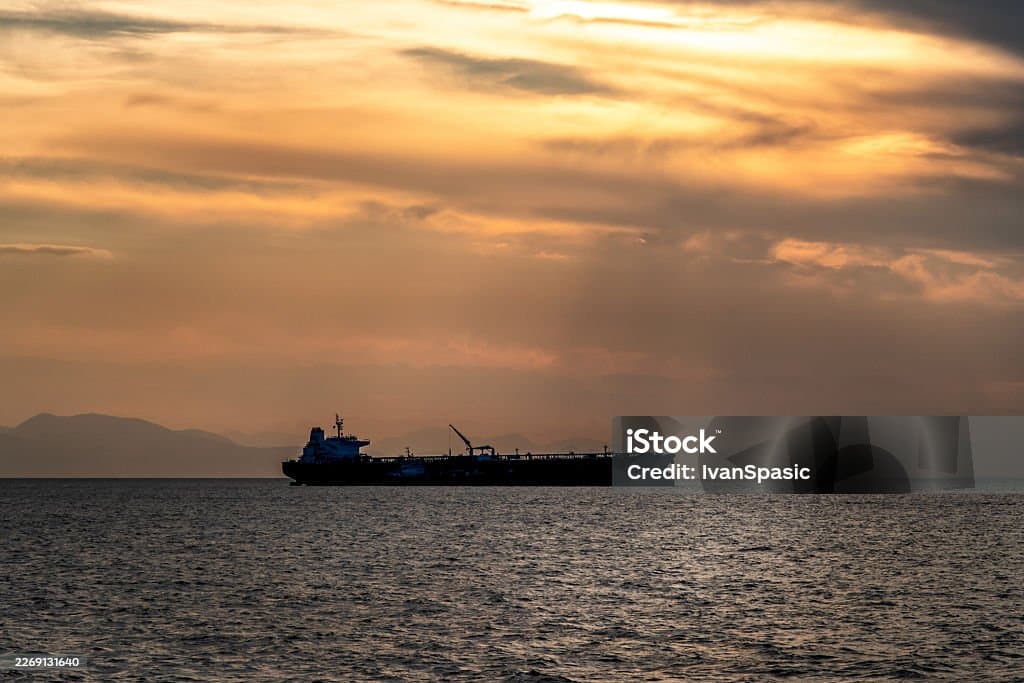
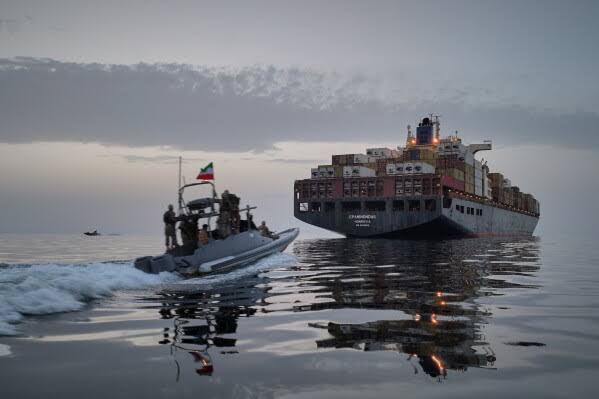
The recent improvement in convoy operations through the Strait of Hormuz has lowered the Hormuz Index, yet it remains alarmingly high at 90. Supply chain risk is still significant because factors beyond vessel movements—such as geopolitical tensions, port constraints, origination volatility, and cybersecurity threats—continue to loom. Chemical procurement teams must broaden their monitoring scope to stay ahead of these risks.
This week's specialty chemical intelligence highlights five procurement priorities, from supply chain resilience and helium planning to LABSA sourcing, biosurfactants, and regulatory readiness.

Thousands of vessels stranded in the Persian Gulf during the 2026 disruption created unexpected demand for water treatment and vessel maintenance chemicals. As shipping resumes, fleet inventory replenishment is expected to drive strong Q3 procurement activity.
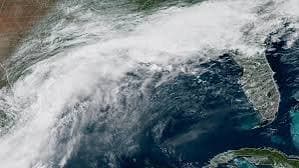
Tropical Storm Arthur’s July 1 Texas landfall is creating short-term supply chain risk for US food manufacturers dependent on Gulf Coast chemical production. Even temporary disruption at Eastman, Celanese, and regional logistics hubs could affect July deliveries of critical food-grade chemicals and processing aids.
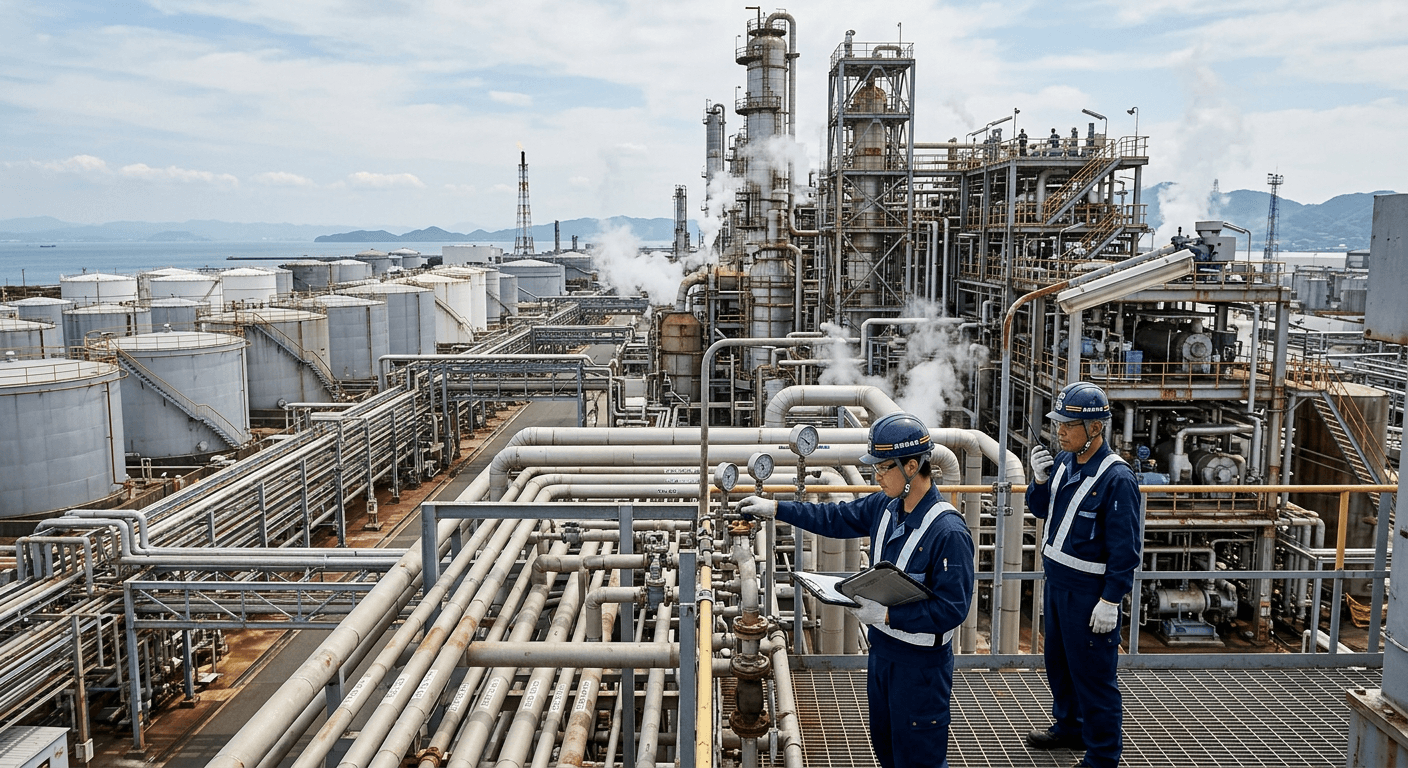
Methanol buyers are facing a critical Q3 planning challenge as Strait of Hormuz transit remains far below normal levels. Physical shipping data now matters more than diplomatic signals when assessing supply availability and pricing risk.
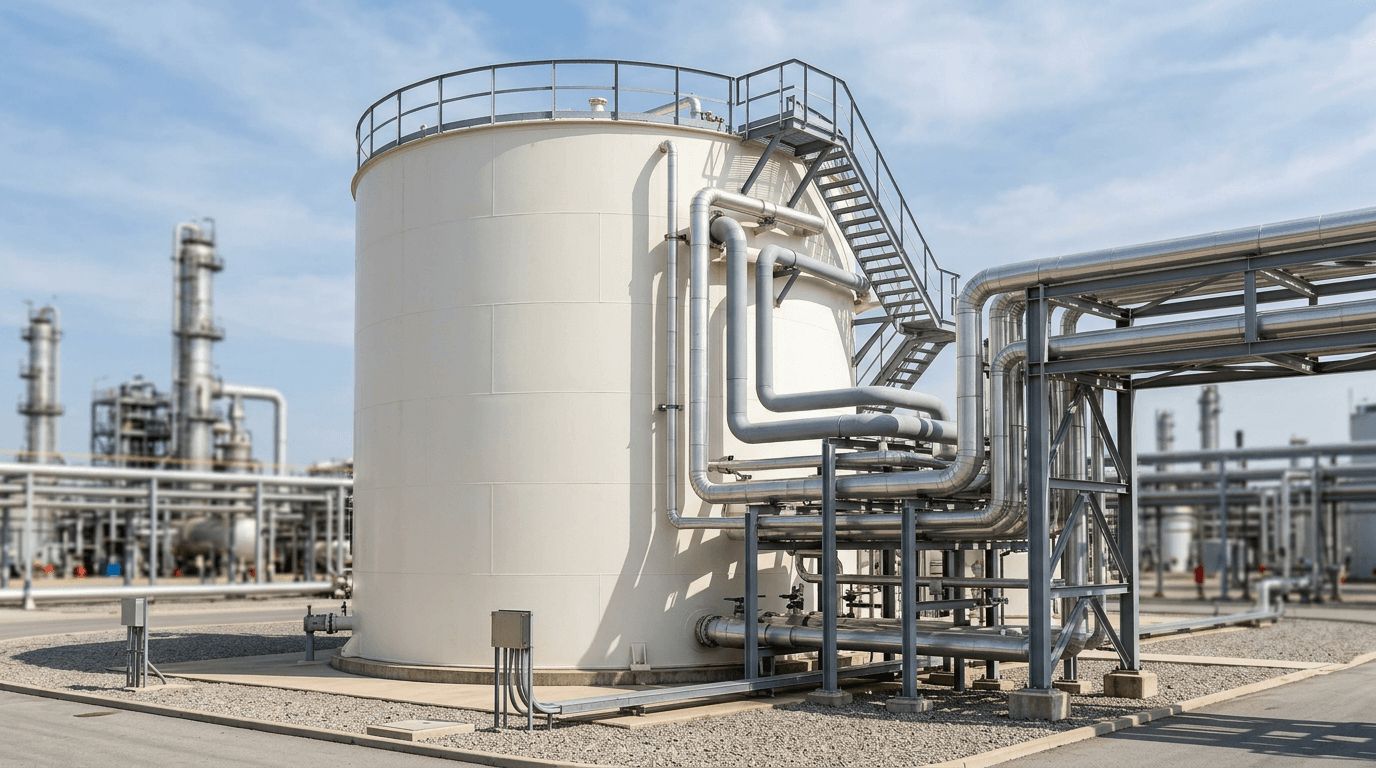
Conflicting statements about Iran negotiations create uncertainty for global chemical procurement teams. The latest Strait of Hormuz supply signals show why buyers should rely on verified logistics data instead of political headlines.
We're committed to your privacy. Tradeasia uses the information you provide to us to contact you about our relevant content, products, and services. For more information, check out our privacy policy.