
Borax Decahydrate (Technical Grade) - Argentina CAS: 1303-96-4
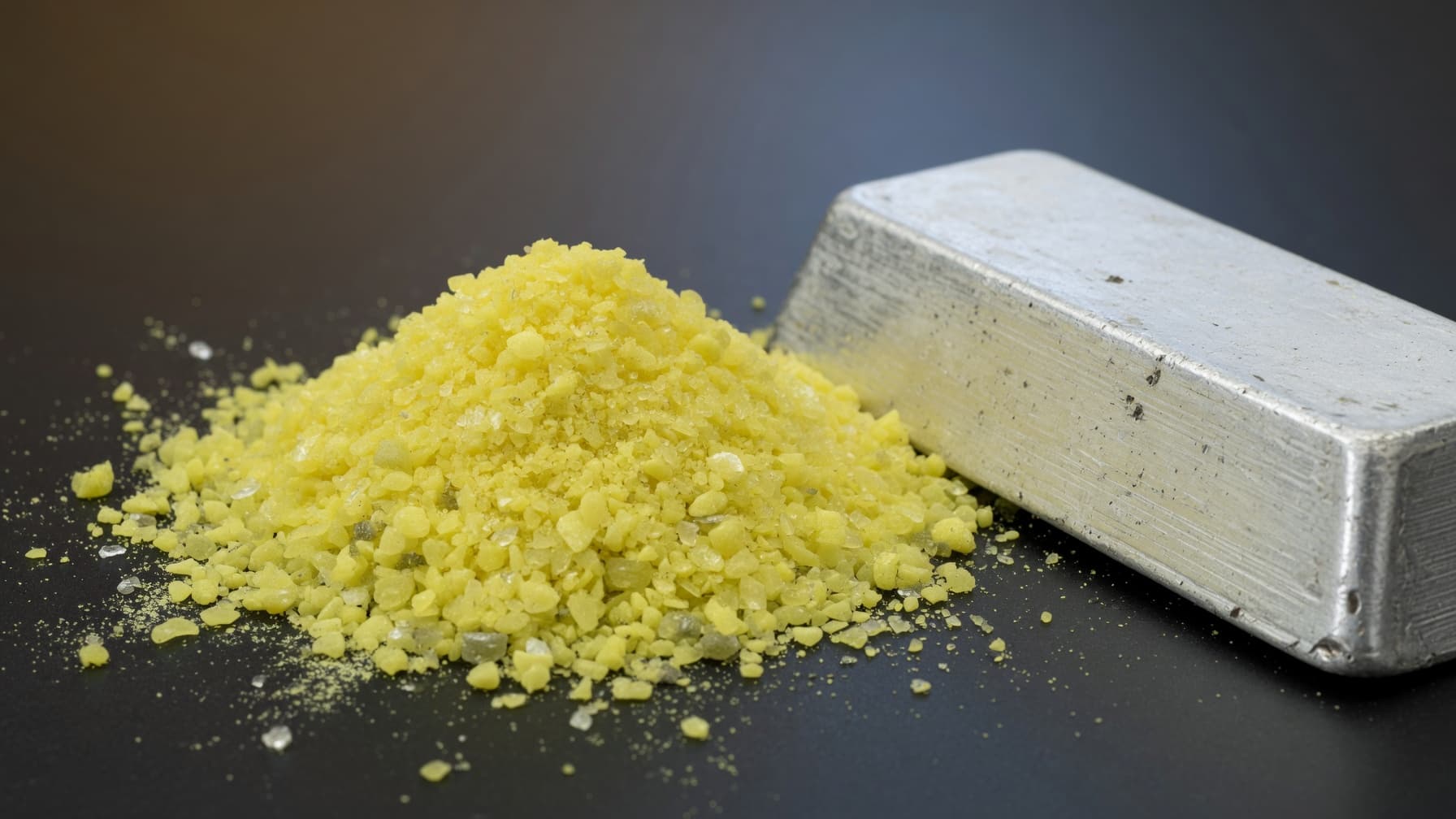
The Strait of Hormuz disruption extends beyond oil markets, affecting sulfur, aluminum, methanol and graphite that support global chemical manufacturing. Procurement teams should reassess sourcing strategies as industrial raw material risks continue to evolve.
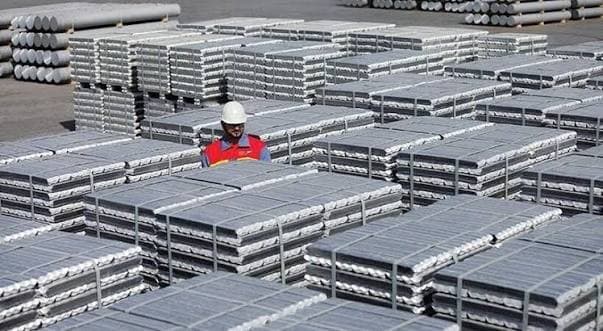
The 2026 Hormuz crisis stranded two of the world’s largest aluminium smelters — Emirates Global Aluminium and Alba Bahrain — quietly disrupting global supply for automotive, aerospace, and packaging manufacturers. With Gulf shipping conditions improving, aluminium logistics may recover faster than petrochemical markets in early H2 2026.
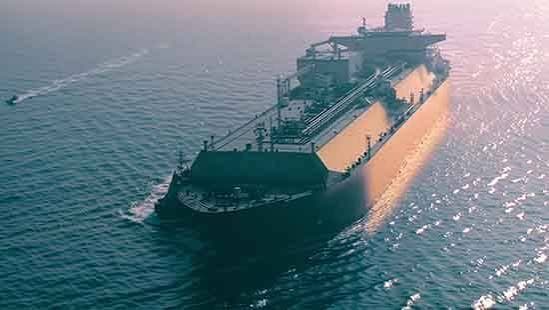
The International Maritime Organization has confirmed 49 security incidents across Hormuz and the Persian Gulf as of June 30, creating the most comprehensive official risk dataset of the 2026 shipping crisis. For chemical tanker operators and cargo buyers, this record now defines insurance underwriting and shipping risk calculations for H2 2026.

The first week of July marks the beginning of Rajasthan's guar planting season. Early planting progress and monsoon conditions will influence guar gum supply for both the food and oilfield industries during the 2026–27 marketing year.
Today's Doha talks could reshape chemical shipping logistics across the Gulf. With elevated maritime risk, delayed vessel movements and cautious carrier policies, procurement teams need to understand how today's diplomatic outcome could affect Q3 sourcing, freight costs and supply chain planning.
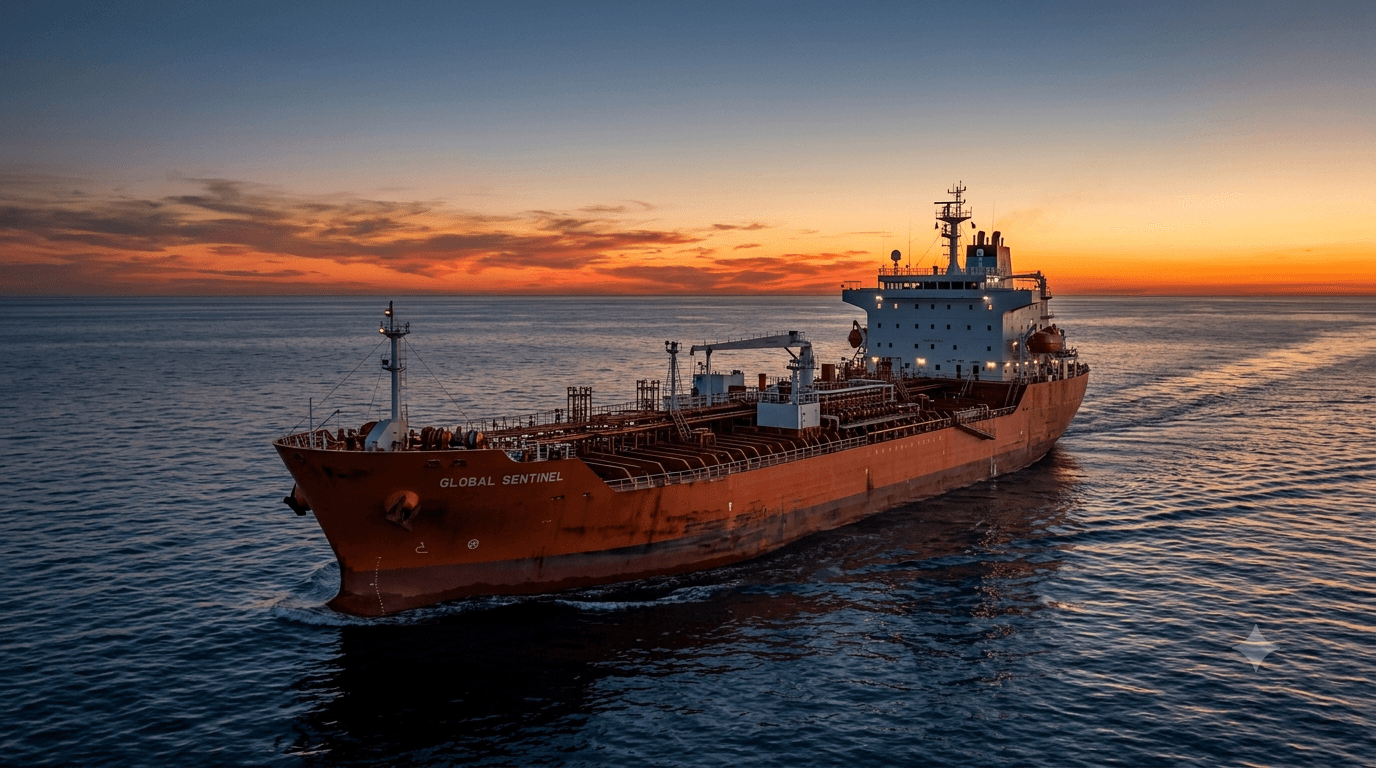
War risk insurance has become one of the biggest cost drivers for Gulf chemical shipments in H1 2026. This review explains why premiums remain elevated even as physical exports recover and what procurement teams should expect during H2 2026.
We're committed to your privacy. Tradeasia uses the information you provide to us to contact you about our relevant content, products, and services. For more information, check out our privacy policy.