Polyethylene Terephthalate (PET) CAS: 25038-59-9

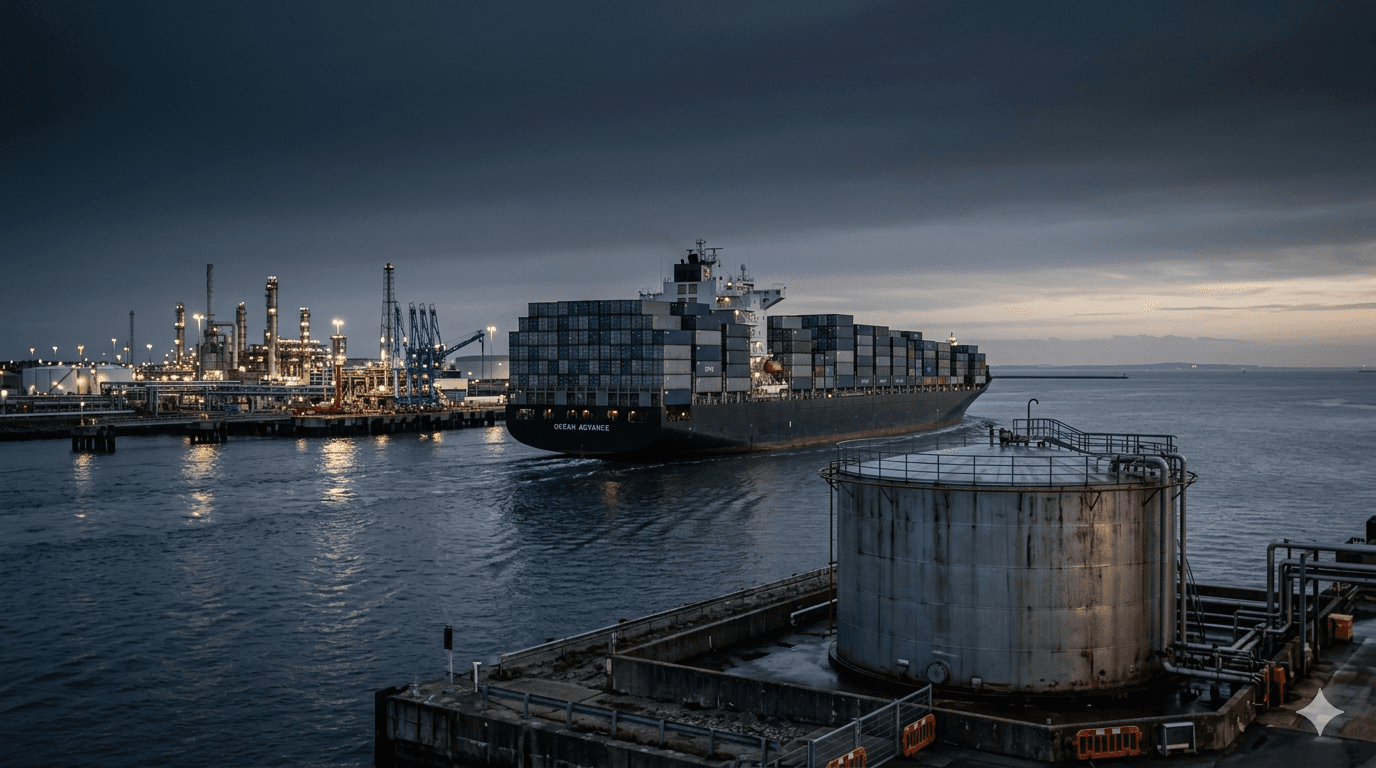
The July 17 deadline cuts off Iranian oil exports, sending ripples through global energy markets, shipping routes, and chemical supply chains. Analysts warn of price volatility, altered maritime logistics, and a shift in trade flows. Understanding these impacts is crucial for stakeholders worldwide.
Ethanol and industrial solvent markets enter H2 2026 with changing supply dynamics across Brazil, India and China. Buyers should focus on contract timing, origin selection and duty-related cost changes.

Africa and the Middle East are entering a new phase of chemical trade. Morocco's phosphate leadership, GCC supply recovery, and East Africa's evolving logistics networks are reshaping procurement strategies for H2 2026.

Iran’s reported petrochemical export waivers could reshape MEG supply expectations for textile and chemical buyers across key markets. This analysis examines how Iranian MEG availability, sanctions considerations and sourcing decisions may affect procurement strategies.
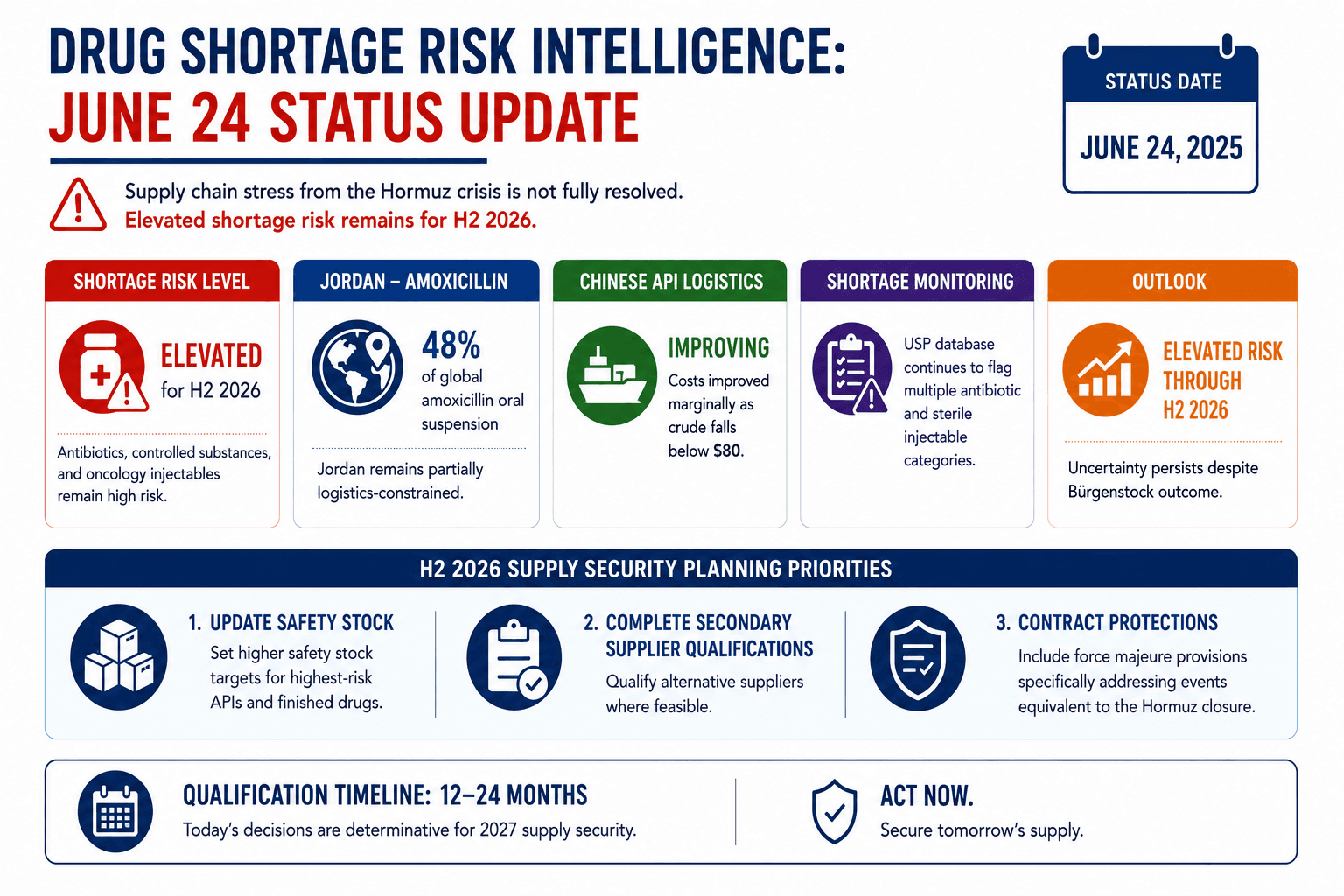
Drug shortage risk remains elevated in H2 2026 despite easing Hormuz tensions. Pharmaceutical procurement teams should prioritize safety stock updates, secondary supplier qualification, and stronger force majeure protections to secure supply continuity into 2027.

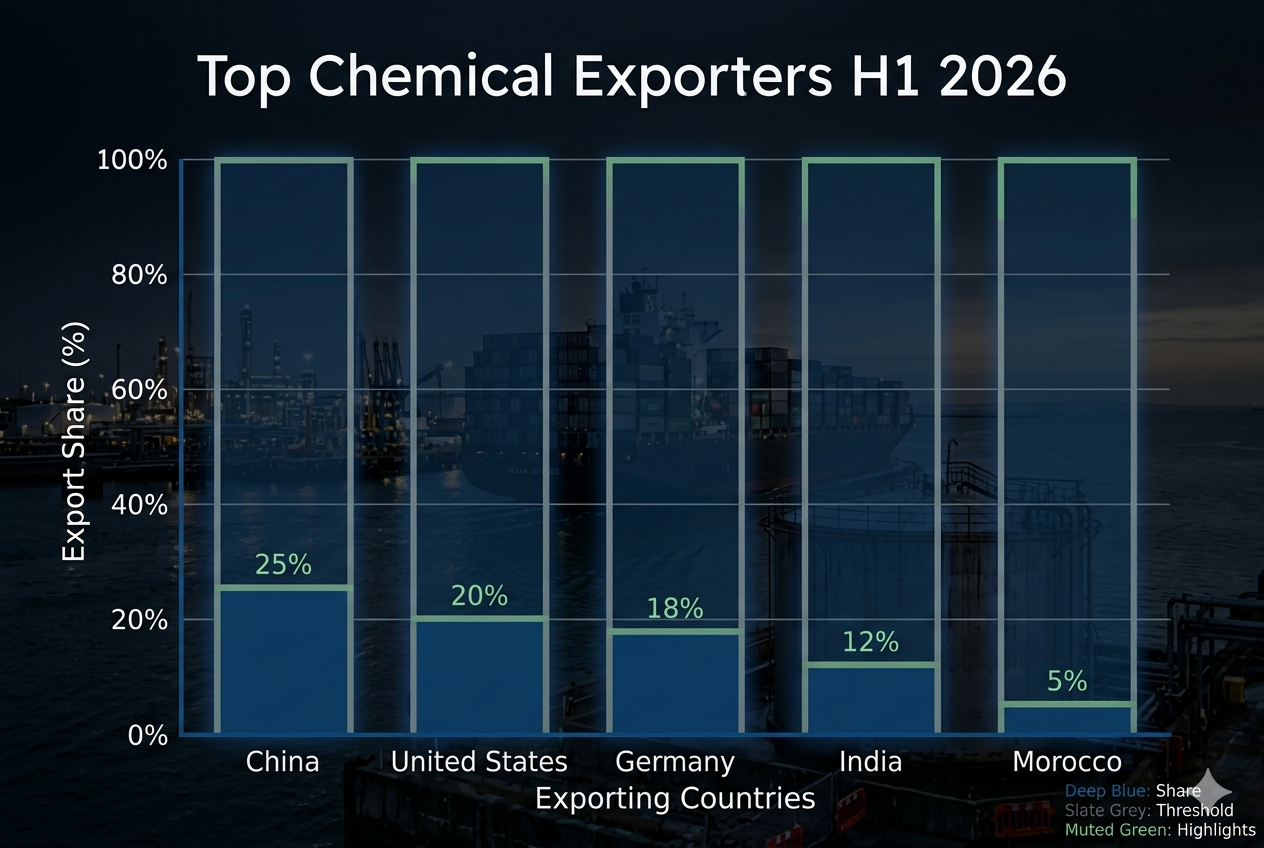
The 2026 Hormuz crisis has reshaped global chemical competitiveness. As logistics constraints weakened some traditional exporters, other countries have emerged as major beneficiaries. Understanding this new export landscape may be one of the most important sourcing advantages for H2 2026.
We're committed to your privacy. Tradeasia uses the information you provide to us to contact you about our relevant content, products, and services. For more information, check out our privacy policy.