
Boric Acid (99.9% Granular) - Peru CAS: 10043-35-3
Boric Acid (99.9% Granular) - Peru CAS: 10043-35-3
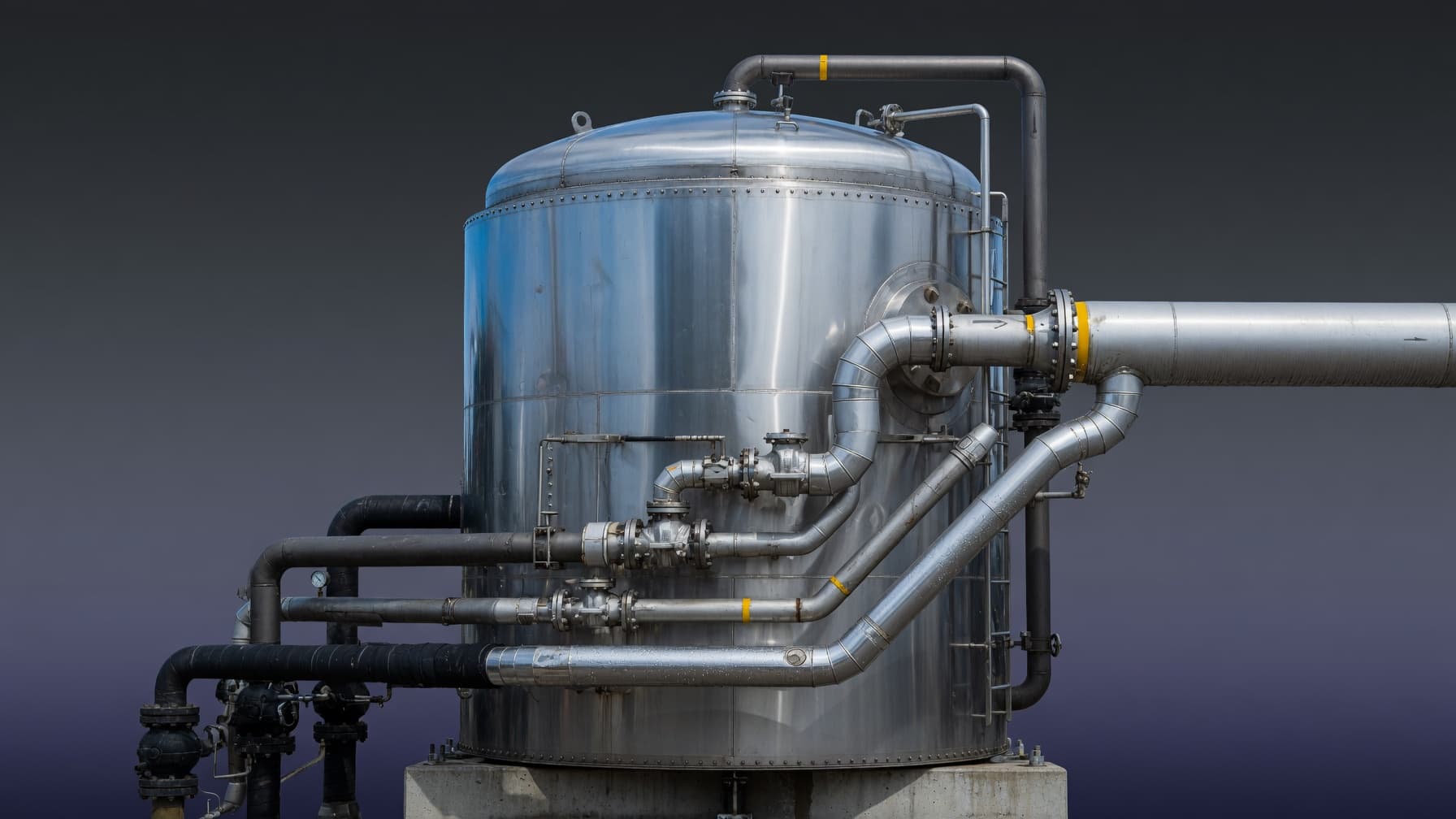
The disruption of naphtha shipments through the Strait of Hormuz has placed renewed pressure on Asia's petrochemical industry. Buyers of olefins, polymers and downstream petrochemicals should reassess feedstock exposure and supplier resilience as market conditions evolve.

Despite volatile monoethanolamine and ethylene oxide markets, taurine supply remains resilient. Chinese producers are offsetting feedstock pressures, offering stability for H2 2026. Supplement makers must reassess sourcing strategies to secure this dependable supply.
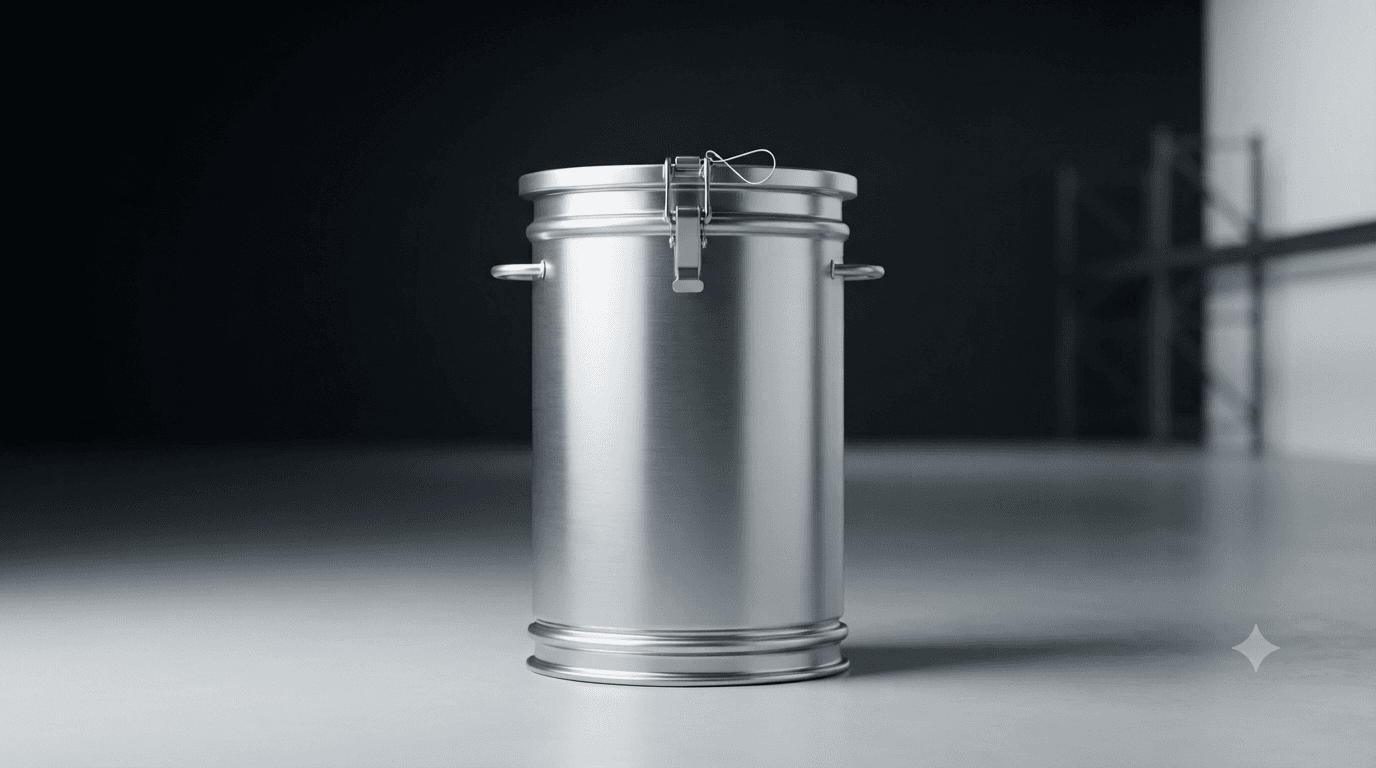
Pharmaceutical‑grade dimethylformamide is entering a period of stronger demand as API manufacturing recovers and GLP‑1 peptide production expands. The rising demand creates supply risks that procurement teams must address before tighter market conditions emerge in 2026. This article outlines the drivers, risks, and sourcing strategies for securing DMF.

Trifluoroacetic acid has become a strategic procurement priority for GLP-1 peptide manufacturing following Solvay's European production closure. Pharmaceutical buyers should reassess sourcing strategies as Indian CDMO demand accelerates faster than supply growth.

Methanol supply has remained active through recent Gulf disruptions, with AIS vessel tracking showing continued commercial movement. Buyers should separate headline risk from physical flow data when planning Q3 procurement.

In early 2026 the global chemical market saw a dramatic price spike during the Hormuz crisis, only to reverse course by April even before shipping lanes fully reopened. This article dissects the panic‑driven surge, the factors that triggered the drop, and the procurement intelligence lessons that can help buyers mitigate volatility.
We're committed to your privacy. Tradeasia uses the information you provide to us to contact you about our relevant content, products, and services. For more information, check out our privacy policy.