

Related Insights

Water‑Scarce Food Production: Why Ingredient Suppliers Are Rethinking Processing
Water scarcity is forcing food ingredient manufacturers to overhaul their processing methods. By investing in water‑efficient technologies, improving resource management, and adopting sustainable production practices, suppliers are turning a challenge into an opportunity for environmental stewardship and long‑term resilience.
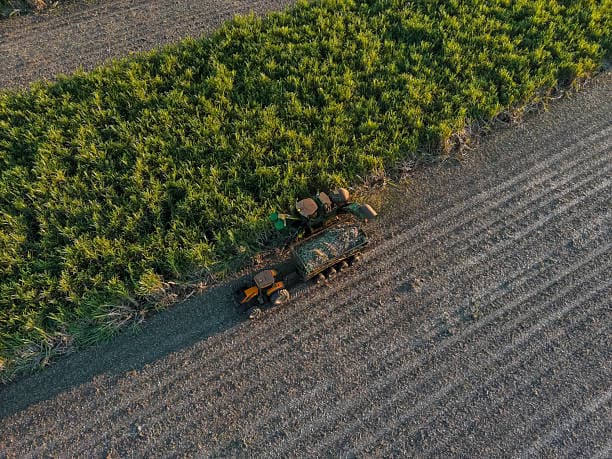
Brazil’s Sugarcane Biorefinery: A Model for Renewable Ethanol and Sustainable Feedstocks
Learn how Brazil’s integrated sugarcane biorefinery model produces renewable ethanol, energy, and bio‑based chemicals with supply‑chain resilience and certification support. The model showcases green chemistry and sustainable feedstocks. Explore the strategy behind Brazil’s bioethanol leadership.
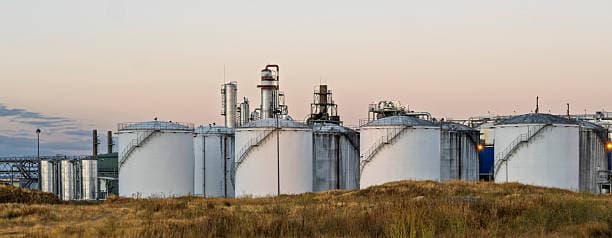
Biomethanol: The Resilient, Low‑Carbon Methanol Alternative in a Crisis‑Prone Supply Chain
As global disruptions strain traditional methanol supply chains, biomethanol—made from renewable feedstocks—offers a greener, more resilient alternative. With ISCC Plus and RSB certifications, it supports decarbonized chemicals, green shipping fuel, and sustainable procurement.

OCP's Pyrite Sulfur Research: What Reducing Oil Refinery Dependency Means for Chemical Supply Chain Sustainability
OCP is researching sulfur extraction from pyrite and pyrrhotite as an alternative to refinery by-product sulfur. This development could reshape long-term sulfur supply and support a more resilient and lower-carbon phosphate fertilizer value chain.
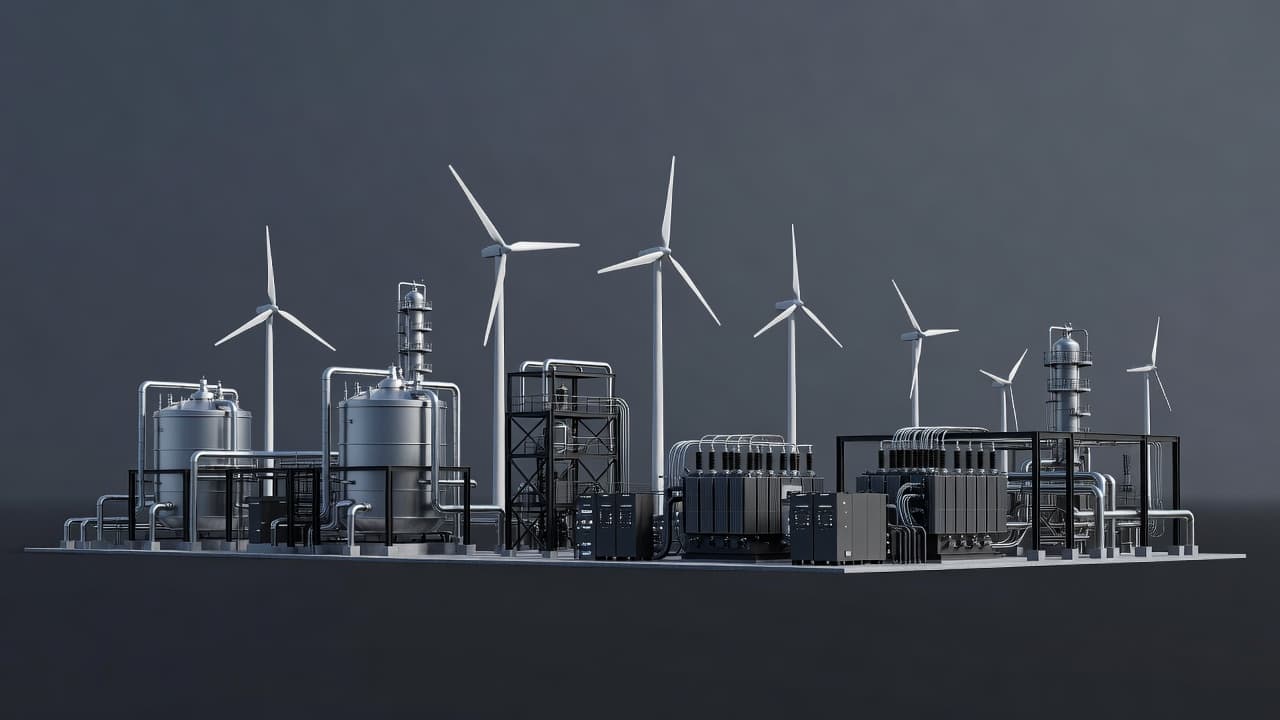
PetroChina's Renewable Electricity Cracker and Green Chemistry Procurement: What Buyers Should Watch
PetroChina's renewable electricity-powered olefin project reflects a growing trend toward lower-carbon petrochemical production. Procurement teams focused on Scope 3 emissions should understand how projects like this can influence future sourcing strategies and supplier verification.
NatureWorks PLA Thailand: Asia’s First Large-Scale Biopolymer Plant Opens in 2026
Global Chemical’s joint venture with NatureWorks will launch the first major PLA facility in Thailand, giving Southeast Asia a domestic source of bio‑based plastic. The plant will compete directly with fossil PE and PP, offering a sustainable packaging alternative at a pivotal time.
Don't miss out on our updates! Subscribe to our newsletter now
We're committed to your privacy. Tradeasia uses the information you provide to us to contact you about our relevant content, products, and services. For more information, check out our privacy policy.