
 How much of a nation's economy is committed to safeguarding, restoring, and preserving the natural environment may be a good indicator of how environmentally conscious that nation is. Although the U.S. has previously made an effort to track "green jobs" and "green goods and services," the U.S. government now does not account for this sector.
Reported by Benjamin Kessler, a pilot EGSS (environmental, goods and services) account has been created by Kelly Wentland, an assistant professor of accounting at George Mason University School of Business, and the BEA (U.S. Department of Commerce's Bureau of Economic Analysis) team to track the economic activities that result in products for environmental protection and resource management. The research was presented at the NBER-CRIW conference in March 2023.
The development of a national account based on the supply side of our economy is what the team attempt to do, according to Wentland.
90 nations have released their own environmental-economic accounts based on guidelines from the UN Statistical Commission. The team built their estimations using the BEA's supply-use tables, which are incredibly thorough compilations of economic inputs and outputs for more than 5,300 product categories. These tables were carefully chosen for relevant economic activity between the years 2015 and 2019.
According to their research, EGSS accounted for $620.6 billion in 2015 and $724.5 billion in 2019. Seventy percent of the total was catered for by the top four categories. These included water and wastewater management, waste management (by far the largest category, accounting for one-fourth of the whole sector), and the preservation of biodiversity and landscapes. This approximately aligns with other research conducted in the EU, where waste management represents the largest environmental-economic category overall, accounting for 26%–27% of the total.
Additionally, Wentland and her colleagues separated the output of the EGSS into the private and public sectors. In 2015, the private sector contributed 71.7% of environmental production, compared to the government's 28.3% share. By 2019, the ratio had somewhat moved, with government spending accounting for 27.2% and business activity accounting for 72.8%.
Designing their pilot account in a way that would be comparable to those of other nations while adhering to established strategies from the U.S. federal government presented a problem for Wentland and the BEA team. This required a massive amount of detailed comparisons between European and American product and industry classification standards to find common data points that translated to UN regulations.
The account is still very much a work in progress, Wentland emphasizes. The fact that it is not an official BEA national report must be made clear, Wentland added. It is merely a test run to see how far we can go with the information that the United States already has. The pilot's goal includes identifying data gaps that could be filled in the future to increase the accuracy of estimations. Research and development (R&D) in the field of the environment is one potentially important area where data were unavailable.
The response to Wentland's work from economists connected to the government has been overwhelmingly favourable so far. Instead of our technique, Wentland notes that "the main criticism had to do with the international guidelines for product classifications themselves."
According to Wentland, quantifying the financial contributions made by the "green economy" would allow for a more in-depth discussion of climate policy that is impact-driven.
References:
Kessler, Benjamin. 2023. PhysOrg: How large is the US 'green economy?'. Retrieved from https://phys.org/news/2023-05-large-green-economy.html
Image by freepik via https://www.freepik.com/
How much of a nation's economy is committed to safeguarding, restoring, and preserving the natural environment may be a good indicator of how environmentally conscious that nation is. Although the U.S. has previously made an effort to track "green jobs" and "green goods and services," the U.S. government now does not account for this sector.
Reported by Benjamin Kessler, a pilot EGSS (environmental, goods and services) account has been created by Kelly Wentland, an assistant professor of accounting at George Mason University School of Business, and the BEA (U.S. Department of Commerce's Bureau of Economic Analysis) team to track the economic activities that result in products for environmental protection and resource management. The research was presented at the NBER-CRIW conference in March 2023.
The development of a national account based on the supply side of our economy is what the team attempt to do, according to Wentland.
90 nations have released their own environmental-economic accounts based on guidelines from the UN Statistical Commission. The team built their estimations using the BEA's supply-use tables, which are incredibly thorough compilations of economic inputs and outputs for more than 5,300 product categories. These tables were carefully chosen for relevant economic activity between the years 2015 and 2019.
According to their research, EGSS accounted for $620.6 billion in 2015 and $724.5 billion in 2019. Seventy percent of the total was catered for by the top four categories. These included water and wastewater management, waste management (by far the largest category, accounting for one-fourth of the whole sector), and the preservation of biodiversity and landscapes. This approximately aligns with other research conducted in the EU, where waste management represents the largest environmental-economic category overall, accounting for 26%–27% of the total.
Additionally, Wentland and her colleagues separated the output of the EGSS into the private and public sectors. In 2015, the private sector contributed 71.7% of environmental production, compared to the government's 28.3% share. By 2019, the ratio had somewhat moved, with government spending accounting for 27.2% and business activity accounting for 72.8%.
Designing their pilot account in a way that would be comparable to those of other nations while adhering to established strategies from the U.S. federal government presented a problem for Wentland and the BEA team. This required a massive amount of detailed comparisons between European and American product and industry classification standards to find common data points that translated to UN regulations.
The account is still very much a work in progress, Wentland emphasizes. The fact that it is not an official BEA national report must be made clear, Wentland added. It is merely a test run to see how far we can go with the information that the United States already has. The pilot's goal includes identifying data gaps that could be filled in the future to increase the accuracy of estimations. Research and development (R&D) in the field of the environment is one potentially important area where data were unavailable.
The response to Wentland's work from economists connected to the government has been overwhelmingly favourable so far. Instead of our technique, Wentland notes that "the main criticism had to do with the international guidelines for product classifications themselves."
According to Wentland, quantifying the financial contributions made by the "green economy" would allow for a more in-depth discussion of climate policy that is impact-driven.
References:
Kessler, Benjamin. 2023. PhysOrg: How large is the US 'green economy?'. Retrieved from https://phys.org/news/2023-05-large-green-economy.html
Image by freepik via https://www.freepik.com/Size of the US Green Economy as a Measure of Its Environmental Consciousness
 How much of a nation's economy is committed to safeguarding, restoring, and preserving the natural environment may be a good indicator of how environmentally conscious that nation is. Although the U.S. has previously made an effort to track "green jobs" and "green goods and services," the U.S. government now does not account for this sector.
Reported by Benjamin Kessler, a pilot EGSS (environmental, goods and services) account has been created by Kelly Wentland, an assistant professor of accounting at George Mason University School of Business, and the BEA (U.S. Department of Commerce's Bureau of Economic Analysis) team to track the economic activities that result in products for environmental protection and resource management. The research was presented at the NBER-CRIW conference in March 2023.
The development of a national account based on the supply side of our economy is what the team attempt to do, according to Wentland.
90 nations have released their own environmental-economic accounts based on guidelines from the UN Statistical Commission. The team built their estimations using the BEA's supply-use tables, which are incredibly thorough compilations of economic inputs and outputs for more than 5,300 product categories. These tables were carefully chosen for relevant economic activity between the years 2015 and 2019.
According to their research, EGSS accounted for $620.6 billion in 2015 and $724.5 billion in 2019. Seventy percent of the total was catered for by the top four categories. These included water and wastewater management, waste management (by far the largest category, accounting for one-fourth of the whole sector), and the preservation of biodiversity and landscapes. This approximately aligns with other research conducted in the EU, where waste management represents the largest environmental-economic category overall, accounting for 26%–27% of the total.
Additionally, Wentland and her colleagues separated the output of the EGSS into the private and public sectors. In 2015, the private sector contributed 71.7% of environmental production, compared to the government's 28.3% share. By 2019, the ratio had somewhat moved, with government spending accounting for 27.2% and business activity accounting for 72.8%.
Designing their pilot account in a way that would be comparable to those of other nations while adhering to established strategies from the U.S. federal government presented a problem for Wentland and the BEA team. This required a massive amount of detailed comparisons between European and American product and industry classification standards to find common data points that translated to UN regulations.
The account is still very much a work in progress, Wentland emphasizes. The fact that it is not an official BEA national report must be made clear, Wentland added. It is merely a test run to see how far we can go with the information that the United States already has. The pilot's goal includes identifying data gaps that could be filled in the future to increase the accuracy of estimations. Research and development (R&D) in the field of the environment is one potentially important area where data were unavailable.
The response to Wentland's work from economists connected to the government has been overwhelmingly favourable so far. Instead of our technique, Wentland notes that "the main criticism had to do with the international guidelines for product classifications themselves."
According to Wentland, quantifying the financial contributions made by the "green economy" would allow for a more in-depth discussion of climate policy that is impact-driven.
References:
Kessler, Benjamin. 2023. PhysOrg: How large is the US 'green economy?'. Retrieved from https://phys.org/news/2023-05-large-green-economy.html
Image by freepik via https://www.freepik.com/
How much of a nation's economy is committed to safeguarding, restoring, and preserving the natural environment may be a good indicator of how environmentally conscious that nation is. Although the U.S. has previously made an effort to track "green jobs" and "green goods and services," the U.S. government now does not account for this sector.
Reported by Benjamin Kessler, a pilot EGSS (environmental, goods and services) account has been created by Kelly Wentland, an assistant professor of accounting at George Mason University School of Business, and the BEA (U.S. Department of Commerce's Bureau of Economic Analysis) team to track the economic activities that result in products for environmental protection and resource management. The research was presented at the NBER-CRIW conference in March 2023.
The development of a national account based on the supply side of our economy is what the team attempt to do, according to Wentland.
90 nations have released their own environmental-economic accounts based on guidelines from the UN Statistical Commission. The team built their estimations using the BEA's supply-use tables, which are incredibly thorough compilations of economic inputs and outputs for more than 5,300 product categories. These tables were carefully chosen for relevant economic activity between the years 2015 and 2019.
According to their research, EGSS accounted for $620.6 billion in 2015 and $724.5 billion in 2019. Seventy percent of the total was catered for by the top four categories. These included water and wastewater management, waste management (by far the largest category, accounting for one-fourth of the whole sector), and the preservation of biodiversity and landscapes. This approximately aligns with other research conducted in the EU, where waste management represents the largest environmental-economic category overall, accounting for 26%–27% of the total.
Additionally, Wentland and her colleagues separated the output of the EGSS into the private and public sectors. In 2015, the private sector contributed 71.7% of environmental production, compared to the government's 28.3% share. By 2019, the ratio had somewhat moved, with government spending accounting for 27.2% and business activity accounting for 72.8%.
Designing their pilot account in a way that would be comparable to those of other nations while adhering to established strategies from the U.S. federal government presented a problem for Wentland and the BEA team. This required a massive amount of detailed comparisons between European and American product and industry classification standards to find common data points that translated to UN regulations.
The account is still very much a work in progress, Wentland emphasizes. The fact that it is not an official BEA national report must be made clear, Wentland added. It is merely a test run to see how far we can go with the information that the United States already has. The pilot's goal includes identifying data gaps that could be filled in the future to increase the accuracy of estimations. Research and development (R&D) in the field of the environment is one potentially important area where data were unavailable.
The response to Wentland's work from economists connected to the government has been overwhelmingly favourable so far. Instead of our technique, Wentland notes that "the main criticism had to do with the international guidelines for product classifications themselves."
According to Wentland, quantifying the financial contributions made by the "green economy" would allow for a more in-depth discussion of climate policy that is impact-driven.
References:
Kessler, Benjamin. 2023. PhysOrg: How large is the US 'green economy?'. Retrieved from https://phys.org/news/2023-05-large-green-economy.html
Image by freepik via https://www.freepik.com/Related Insights
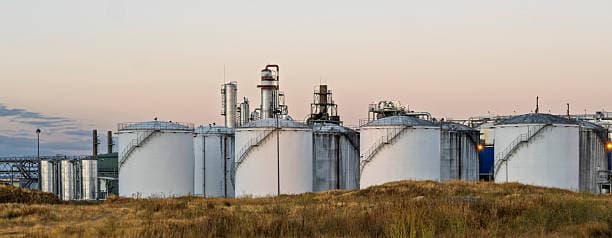
Biomethanol: The Resilient, Low‑Carbon Methanol Alternative in a Crisis‑Prone Supply Chain
As global disruptions strain traditional methanol supply chains, biomethanol—made from renewable feedstocks—offers a greener, more resilient alternative. With ISCC Plus and RSB certifications, it supports decarbonized chemicals, green shipping fuel, and sustainable procurement.
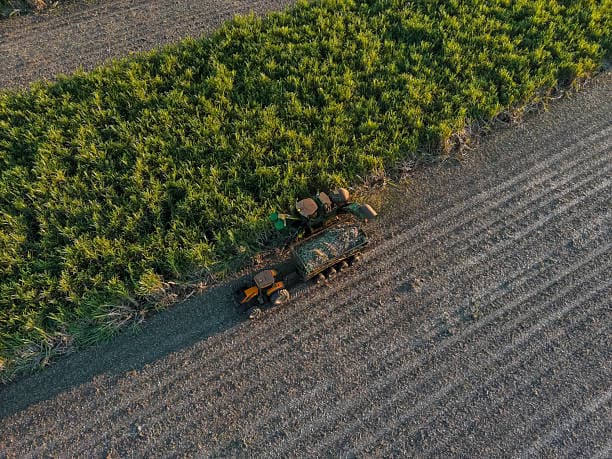
Brazil’s Sugarcane Biorefinery: A Model for Renewable Ethanol and Sustainable Feedstocks
Learn how Brazil’s integrated sugarcane biorefinery model produces renewable ethanol, energy, and bio‑based chemicals with supply‑chain resilience and certification support. The model showcases green chemistry and sustainable feedstocks. Explore the strategy behind Brazil’s bioethanol leadership.
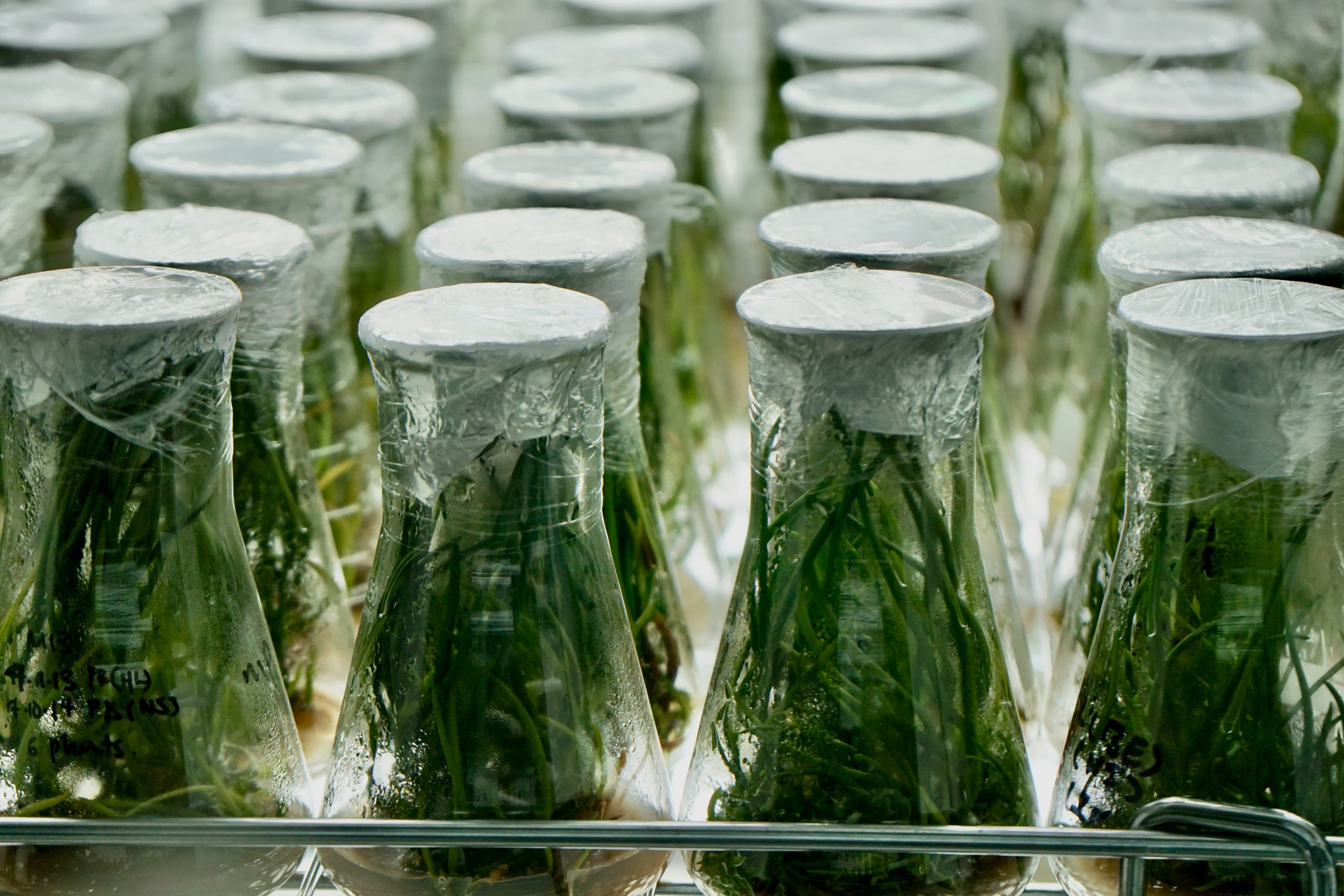
PetroChina's Renewable Electricity Cracker and the Green Chemical Production Precedent
PetroChina's confirmed (C&EN Top 50 2026) plan to power its Jilin olefin complex "completely by renewable electricity"

Lauric Acid: The Natural Engine of Green Surfactants
Understand how lauric acid supports green surfactant development through renewable sourcing, performance benefits, and sustainability.

Turpentine Oil's Role in Shaping Sustainable Production Method
Green chemistry promotes sustainability by fusing technological innovation with environmental awareness. The importance of turpentine oil in environmentally friendly production has emerged amid the increased pressure to reduce environmental effect. This blog explores the complex connection between t
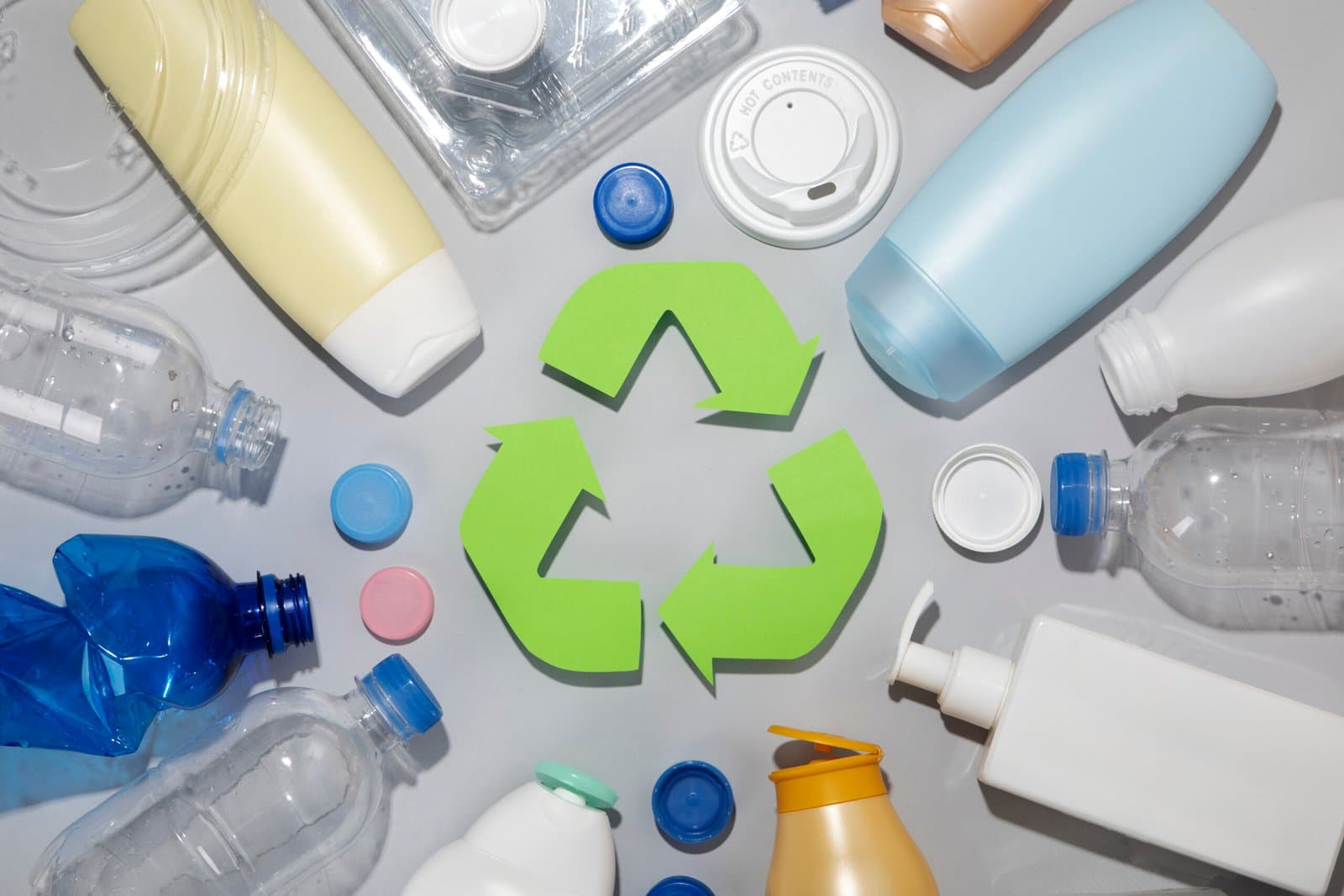
The Importance of Clearing Consumer Confusion on Recycling
Consumers are becoming more conscious of the environmental problems associated with plastic. 79% of consumers, according to Trivium Packaging, are looking for products that come with environmentally friendly packaging, and 63% say they are less likely to purchase items with such packaging. Retail c
Don't miss out on our updates! Subscribe to our newsletter now
We're committed to your privacy. Tradeasia uses the information you provide to us to contact you about our relevant content, products, and services. For more information, check out our privacy policy.