
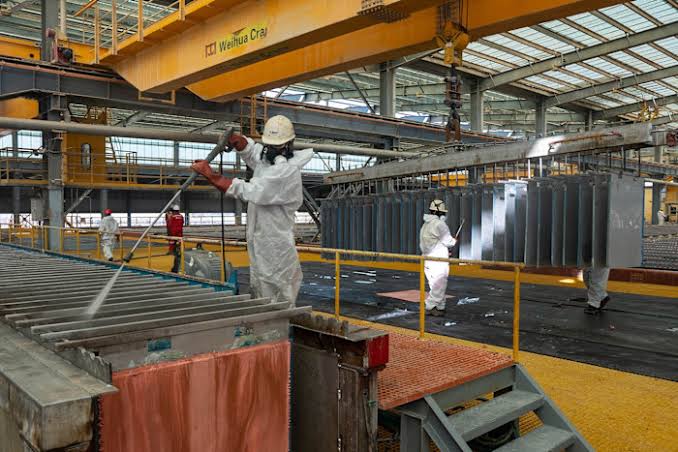
Ferrous Sulfate Monohydrate CAS: 13463-43-9
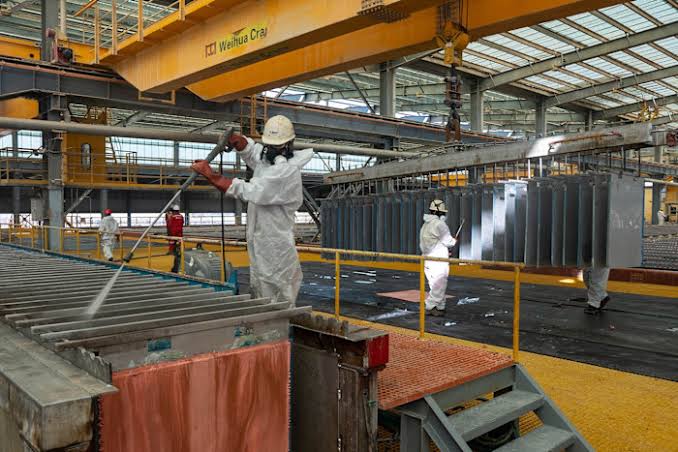
Ferrous Sulfate Monohydrate CAS: 13463-43-9
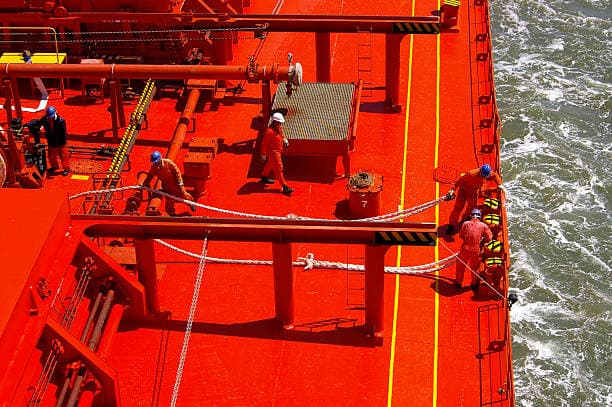
The International Maritime Organization has issued a stern warning for vessels to avoid the Strait of Hormuz until crew safety can be assured. This directive raises immediate questions for chemical tankers, Gulf shipping routes, and global supply chains. In this article we break down the implications and explore how operators can adapt.
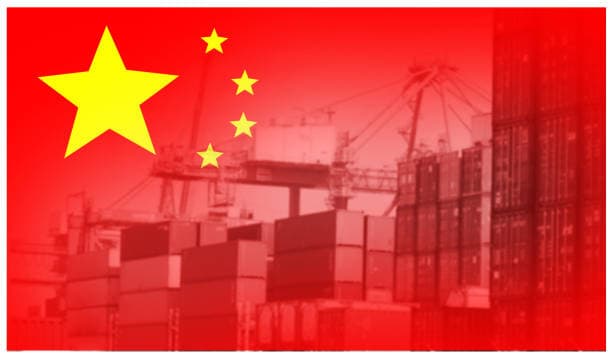
China’s early 2025 export curbs are reshaping global fertilizer flows into 2026, forcing shippers to rethink routes, sourcing and inventory. The ripple effects touch every corner of the supply chain, from African farms to European ports.
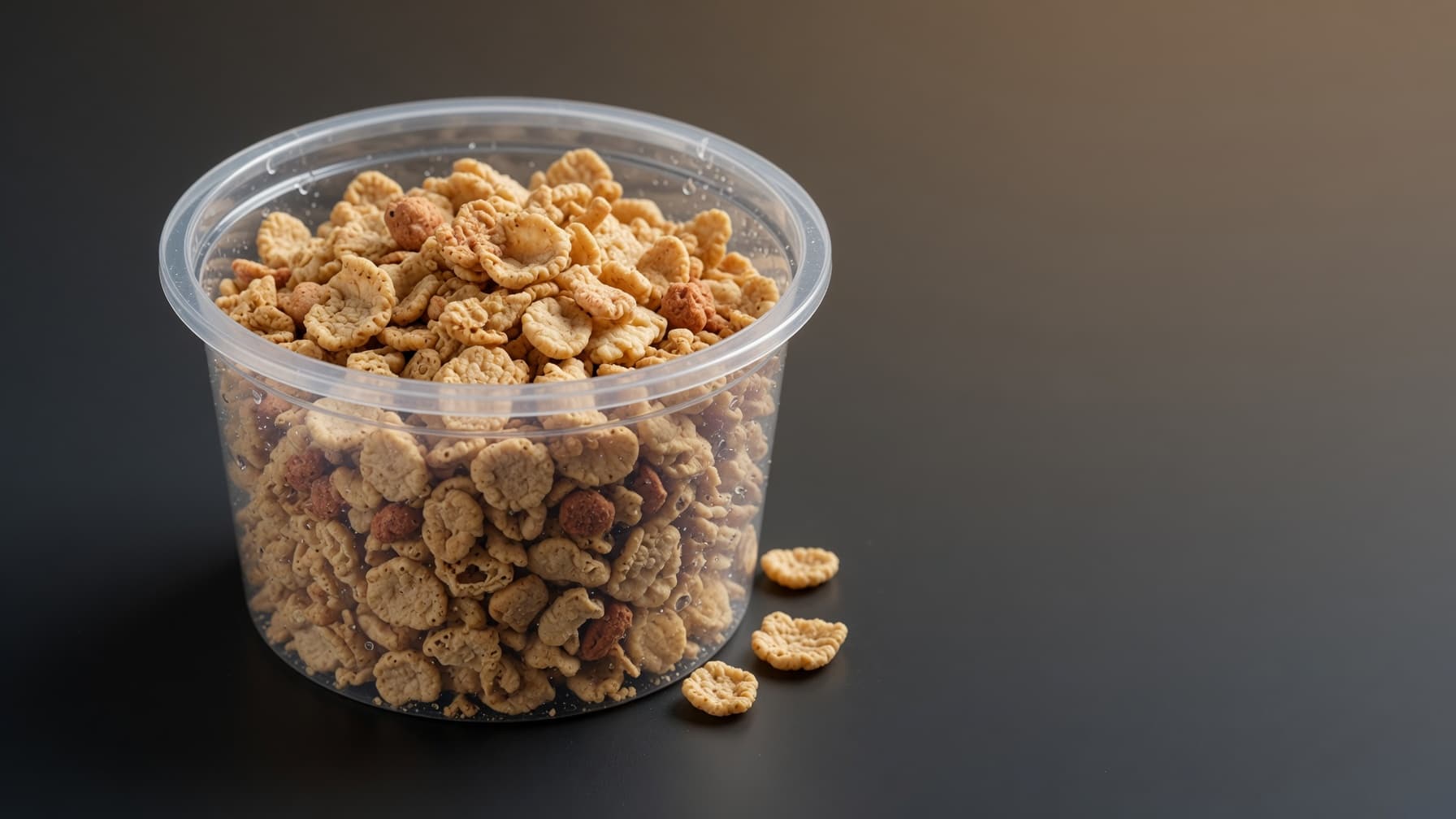
As demand for textured soy protein and other plant-based ingredients grows, traceability has become a key requirement for regulatory compliance and supply chain confidence. Procurement teams should strengthen ingredient transparency to protect product quality and market access.

The transfer of LyondellBasell's European assets to Velogy has introduced fresh uncertainty for buyers of adhesive raw materials. Procurement teams sourcing European EVA, VAM and acrylic acid should closely monitor production plans at the French and German cracker sites.
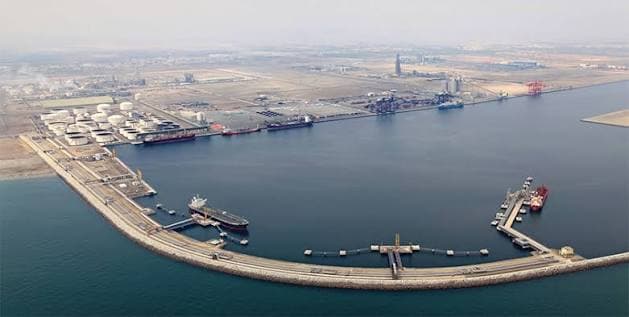
Port of Sohar enters a critical operational phase as recovering Gulf shipping collides with stranded-vessel backlog clearance. While regional logistics continue improving, berth congestion at Oman's primary chemical hub may become the next bottleneck affecting Gulf chemical supply chains.

China's expected easing of urea export restrictions could significantly influence global fertilizer markets during Q3 2026. Fertilizer buyers should evaluate procurement timing carefully as additional supply may reshape international pricing.
We're committed to your privacy. Tradeasia uses the information you provide to us to contact you about our relevant content, products, and services. For more information, check out our privacy policy.
Download Our Mobile App


Contact us
Keck Seng Tower133 Cecil Street #12-03Singapore, 069535, Republic of Singapore.
