


Related Insights

Farm Policy and Fertilizer Cost Relief: Why Long-Term Strategy Must Outlast Short-Term Market Volatility
Government efforts to improve fertilizer affordability continue despite renewed market volatility. Procurement professionals and agricultural businesses should understand how long-term policy initiatives can strengthen supply resilience even when short-term prices remain elevated.
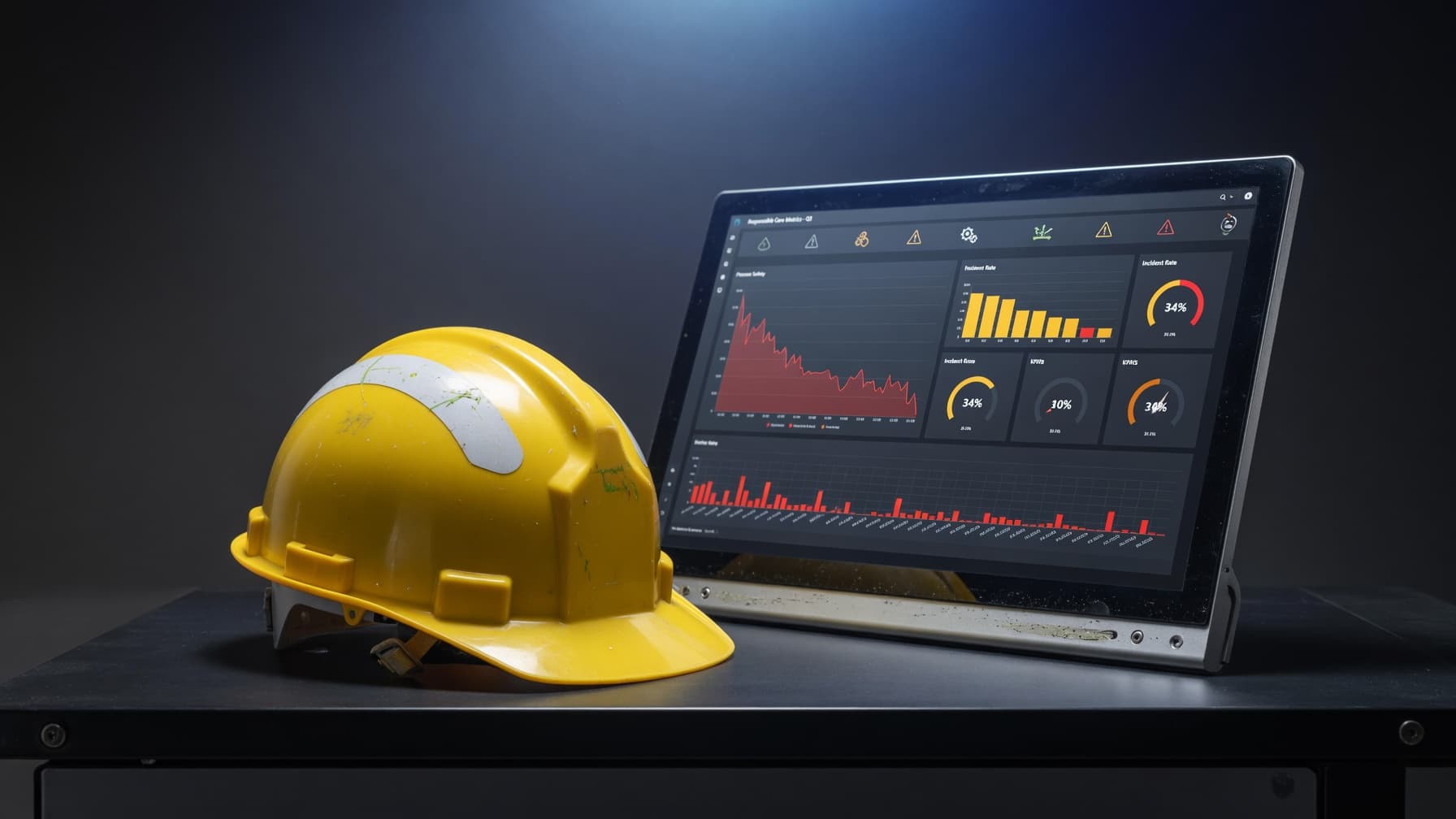
Responsible Care Performance KPIs: Why 2026 Crisis Data Requires More Context Than Ever
Responsible Care performance indicators remain essential for supplier evaluation, but crisis conditions can influence operational results. This article explores how procurement and ESG teams can interpret 2026 KPI data with appropriate context while maintaining rigorous supplier assessments.

Navigating Drug Shortages: Using IMO Incident Data to Mitigate Strait of Hormuz Supply Risks
The IMO dataset of 49 confirmed maritime incidents gives hospital pharmacy teams a structured roadmap to assess pharmaceutical exposure in the Gulf. By mapping API and chemical routes against high‑risk zones, procurement leaders can strategically plan Q3 logistics and safeguard patient care.

Stranded Vessel Update: The 485 Ships That Remain and How the Exit Queue Works
Although Gulf shipping has improved significantly since the peak of the Hormuz crisis, hundreds of vessels remain awaiting transit. Understanding the commercial priority system governing departures is essential for chemical buyers tracking delayed cargoes and planning H2 2026 deliveries.
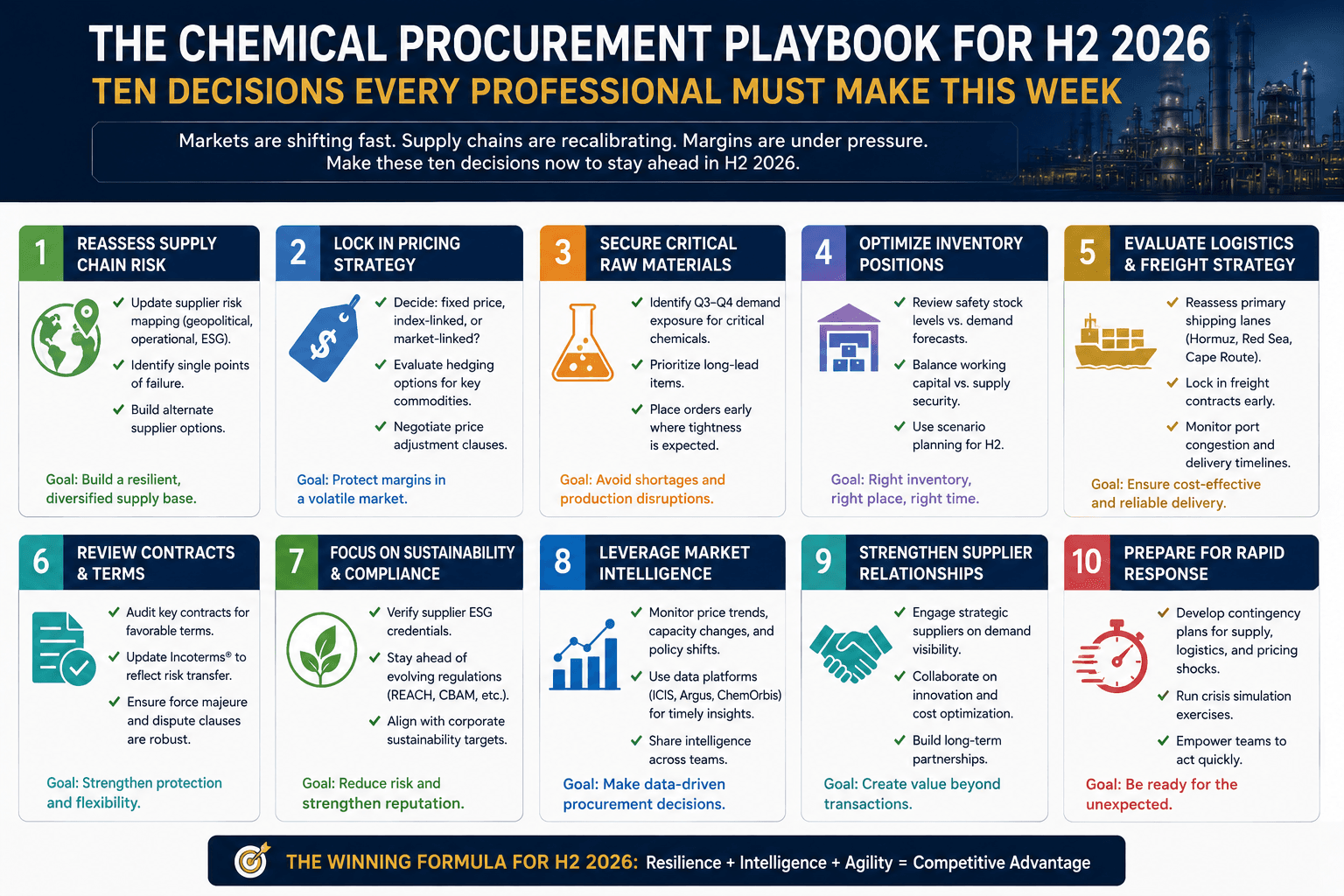
The Chemical Procurement Playbook for H2 2026: Ten Decisions Every Professional Must Make This Week
H2 2026 begins with a critical decision window for chemical procurement professionals. From India duty deadlines and Gulf supply recovery to freight renegotiation, fertilizer contracts, and regulatory compliance, these ten strategic decisions could define procurement performance for the rest of the year.

Global Chemical Trade Intelligence Report: H1 2026 Closing Summary
H1 2026 reshaped global chemical trade as the Hormuz crisis disrupted supply routes, cut seaborne volumes by up to 20%, boosted Chinese and US exports, and permanently altered logistics patterns. H2 will determine which of these structural shifts become the new normal.
Don't miss out on our updates! Subscribe to our newsletter now
We're committed to your privacy. Tradeasia uses the information you provide to us to contact you about our relevant content, products, and services. For more information, check out our privacy policy.