

Related Insights

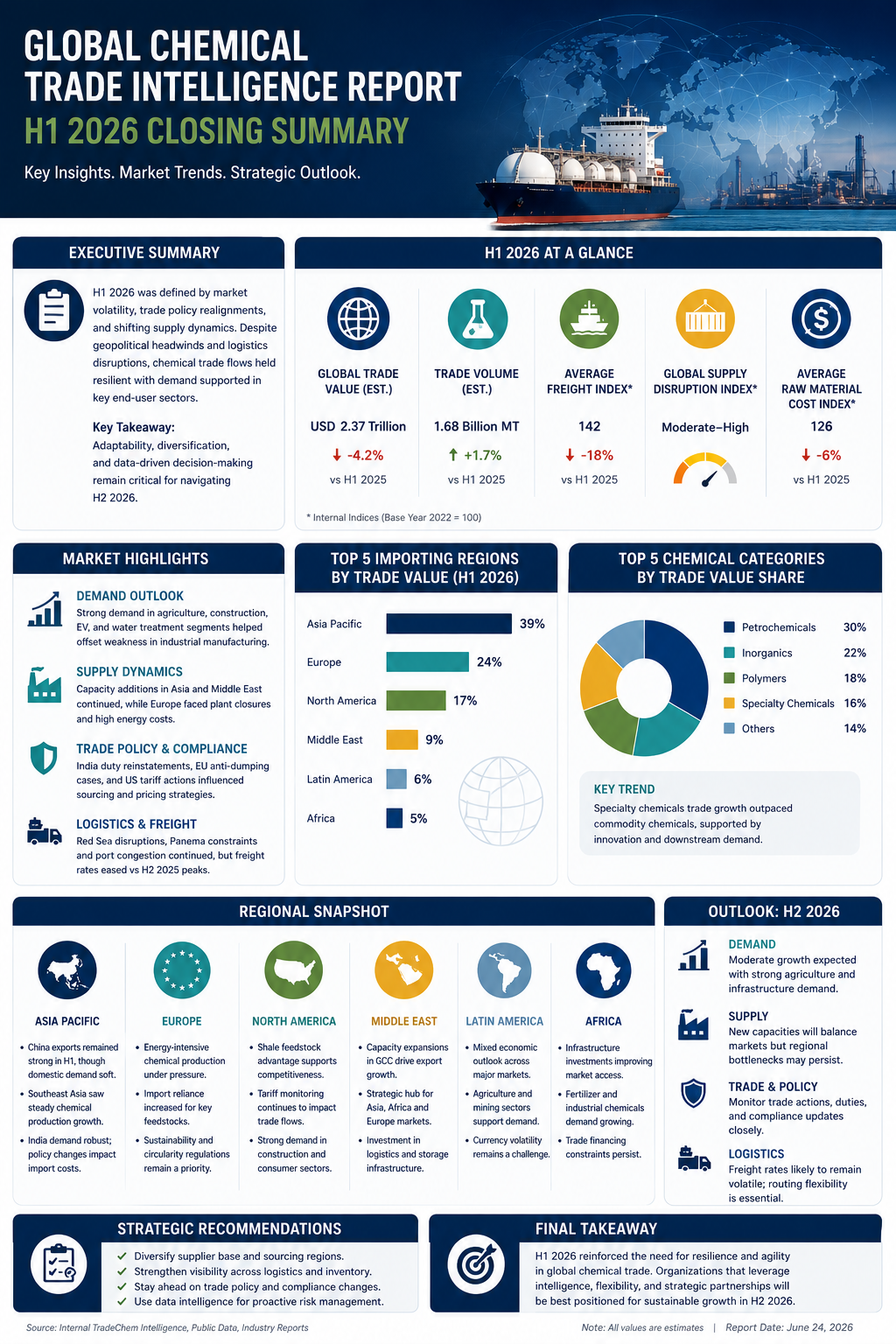
Trade Logistics Intelligence: Friday July 10 Brief
Get the latest chemical logistics updates for this week, covering UK trade remedies, PFAS compliance, the Solstice acquisition, Velogy and Aequita moves, Cape of Good Hope freight shifts, and force majeure documentation. Stay ahead with our concise analysis.
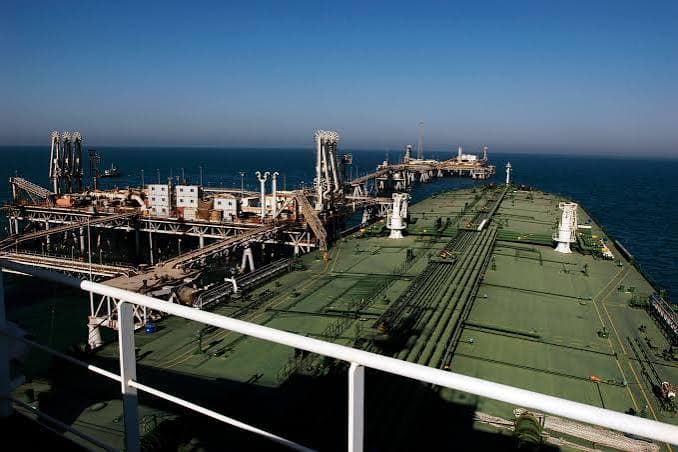
Iran’s “Service Fees”: What Toll-Based Passage Would Cost the Chemical Industry Annually
Iran’s proposal to charge “service fees” for Hormuz passage could permanently reshape the economics of global chemical trade. If transit charges become permanent, Gulf-origin chemical supply chains may face $500 million to $1.5 billion in additional annual costs that buyers will ultimately absorb through higher contract pricing.
Commodity Chemical Intelligence: The Kpler 34 Framework for Reading Physical Recovery vs Diplomatic Progress
The most important lesson from 124 days of the 2026 Hormuz crisis is that physical supply recovery and diplomatic progress move independently. For chemical procurement teams planning Q3 supply, vessel crossing data from Kpler now matters far more than political statements coming out of Doha negotiations.

Polyethylene: Quantifying the US Ethane Advantage and Its Practical Limits for Global Buyers
US polyethylene continues to benefit from a structural ethane feedstock advantage, but delivered cost tells a more complex story. This analysis examines freight, regional supply shifts and sourcing strategies that procurement teams should evaluate before placing Q3 and Q4 purchase orders.

Jordan API Supply: Post-Crisis Recovery Assessment for Antibiotic Procurement Teams
Jordan's pharmaceutical API exports are showing signs of recovery as regional shipping conditions improve. Buyers dependent on antibiotic APIs should use July to verify logistics, rebuild inventories and secure Q3 supply agreements. This guide evaluates logistics recovery, procurement risks and outlines actionable Q3 sourcing strategies.
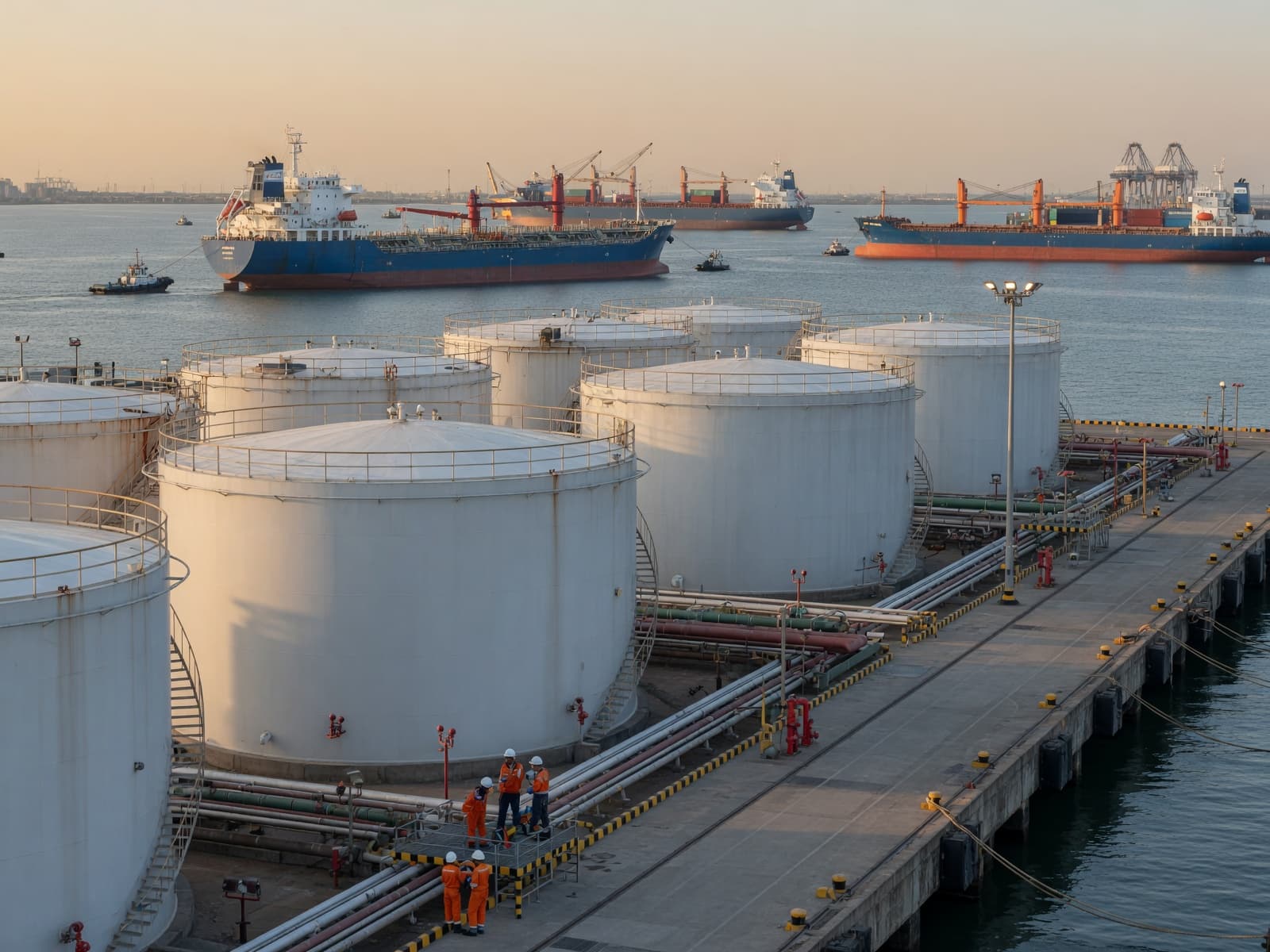
Methanol Pricing Outlook 2026: Q3 Contract Talks Shift After Hormuz Supply Changes
Methanol pricing outlook for Q3 2026 is entering a new phase as global buyers reassess contracts after Middle East supply concerns begin to ease. Procurement teams need to understand how energy markets, shipping routes and production recovery will influence upcoming methanol negotiations.
Don't miss out on our updates! Subscribe to our newsletter now
We're committed to your privacy. Tradeasia uses the information you provide to us to contact you about our relevant content, products, and services. For more information, check out our privacy policy.