

Corn Gluten Feed CAS: 66071-96-3

Corn Gluten Feed CAS: 66071-96-3

Thai sorbitol production is tightening as the annual tapioca feedstock gap reduces output, while Chinese suppliers continue operating at stable capacity with competitive export pricing. Procurement teams planning H2 2026 purchases have a valuable opportunity to lock in improved delivered costs before seasonal market dynamics shift again.
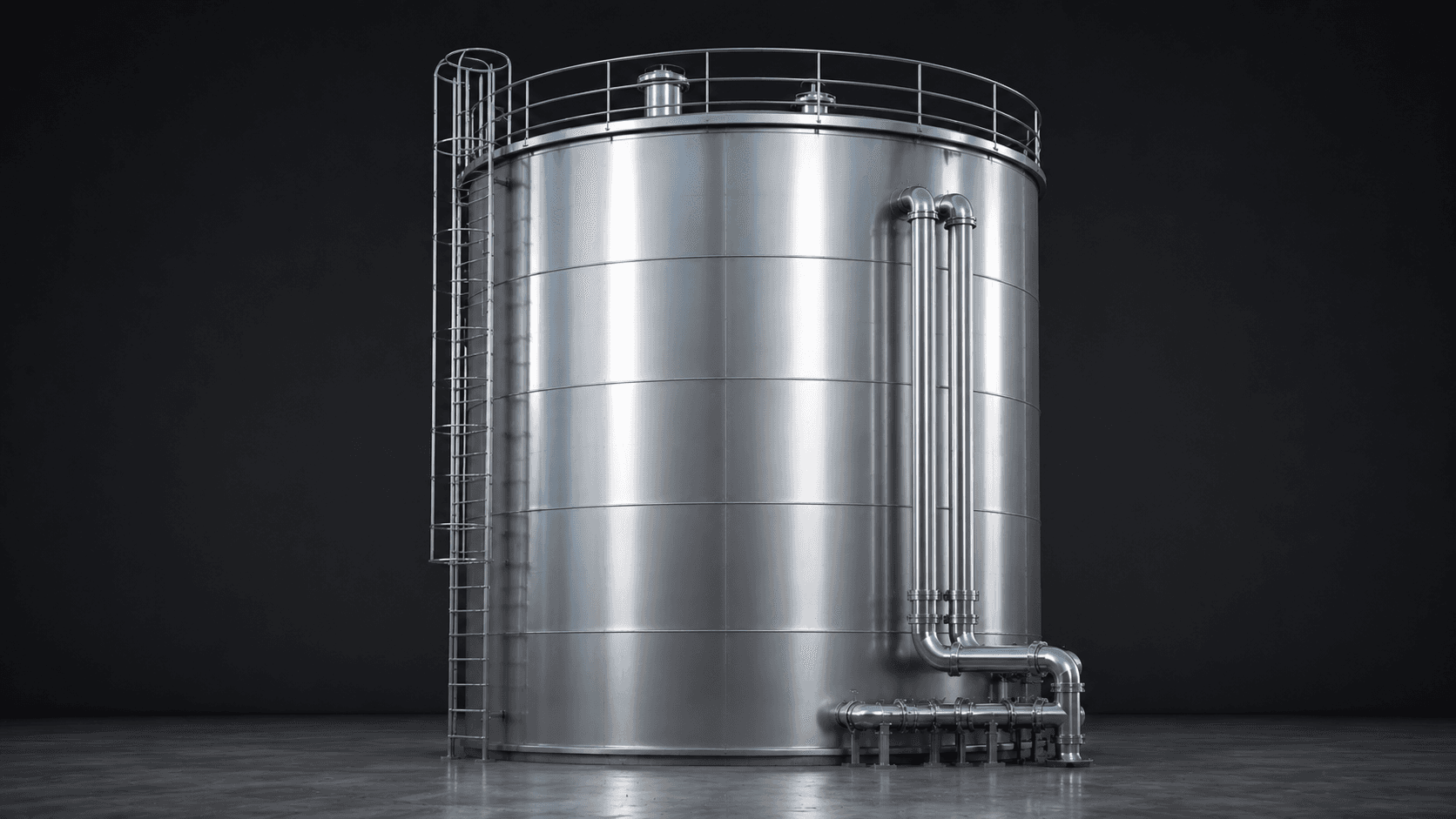
Styrene and ABS markets are entering a recovery phase as feedstock availability improves and global production gradually increases. Procurement teams should understand how supply, regional trade and geopolitical uncertainty will influence purchasing decisions through the second half of 2026.
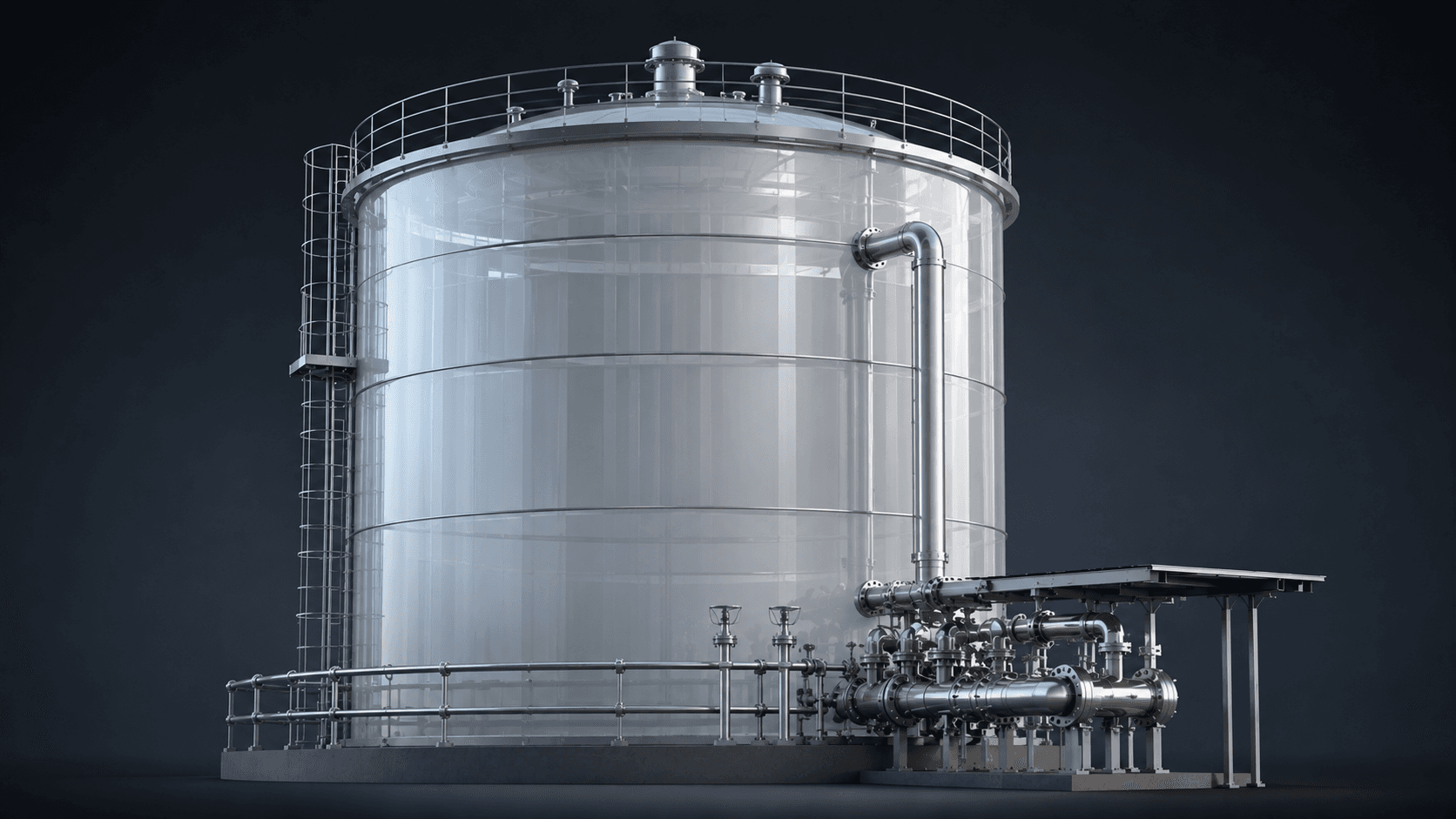
Formaldehyde producers may finally see feedstock cost pressure ease as methanol supply conditions improve and crude oil prices remain softer. However, buyers of urea-formaldehyde and phenol-formaldehyde resins should not expect immediate price reductions, as contract structures and inventory cycles will delay market adjustments into August 2026.
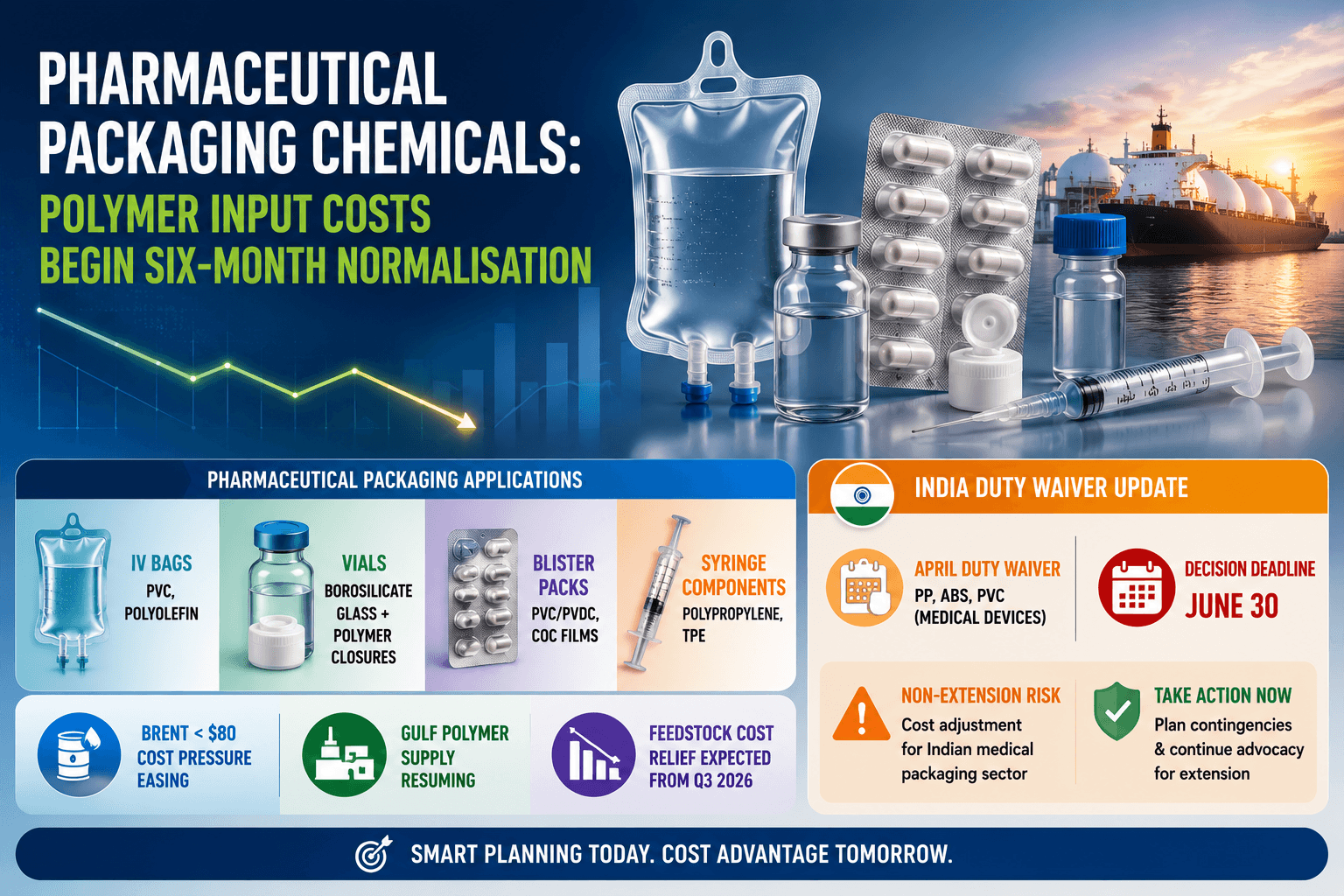
Pharmaceutical packaging costs are beginning to ease as Gulf polymer supply recovers and crude prices fall, but India’s June 30 duty waiver decision could quickly reverse cost relief for manufacturers dependent on Indian packaging components.

As H2 2026 approaches, vanillin buyers must navigate a complex landscape of natural, bio‑based, and synthetic sourcing options. This article compares cost, regulatory compliance, and clean‑label appeal to help manufacturers make informed contract decisions.
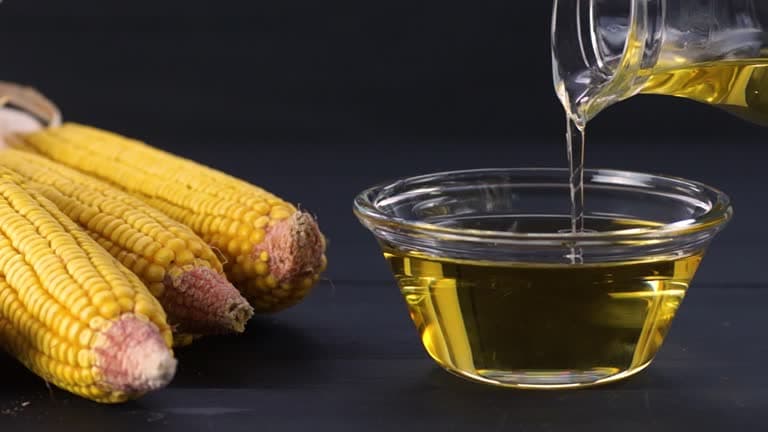
Corn starch syrup solids are increasingly favored by food processors seeking dry-blend convenience and easier handling. In 2026, stable US corn prices and rising clean-label demand are supporting both standard and premium specialty grades.
We're committed to your privacy. Tradeasia uses the information you provide to us to contact you about our relevant content, products, and services. For more information, check out our privacy policy.