
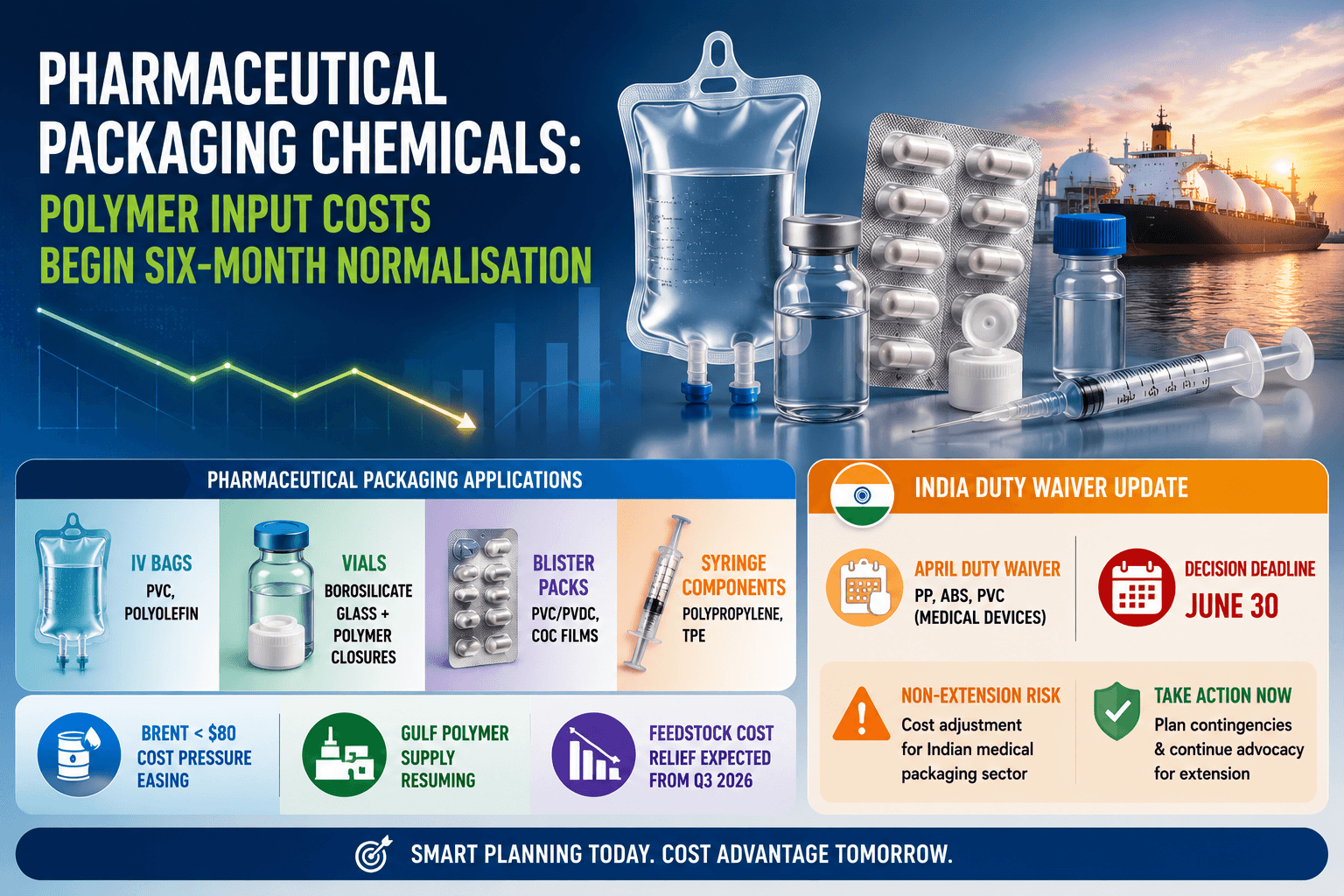
Carbon Black (N110) - India CAS: 1333-86-4

Pharmaceutical borosilicate glass (Type I, Type II) — used for injection vials, ampoules

The UK’s entry into the Hormuz escort coalition is set to slash war‑risk insurance costs and strengthen supply chains for Gulf‑origin chemical imports in H2 2026. By bolstering maritime security, Britain can ensure safer, more reliable logistics for its critical chemical sector.
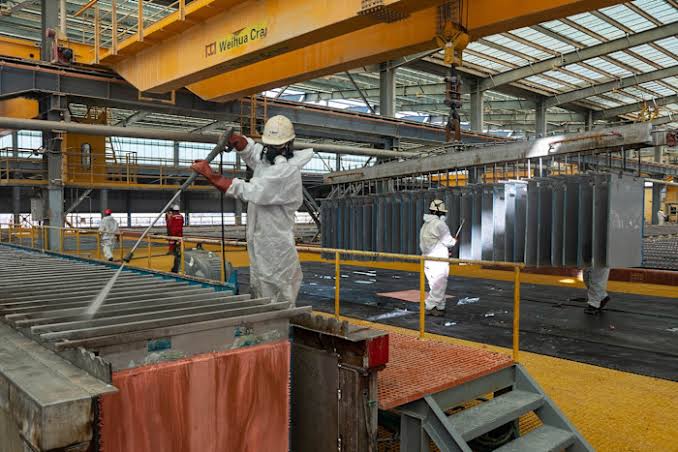
The Hormuz crisis disrupted nearly 45% of global sulfur supply as Gulf refinery by-product exports collapsed for months. With vessel movement now improving, sulfur and sulfuric acid buyers may finally see the first meaningful cost relief in August after one of 2026’s most overlooked supply chain disruptions.
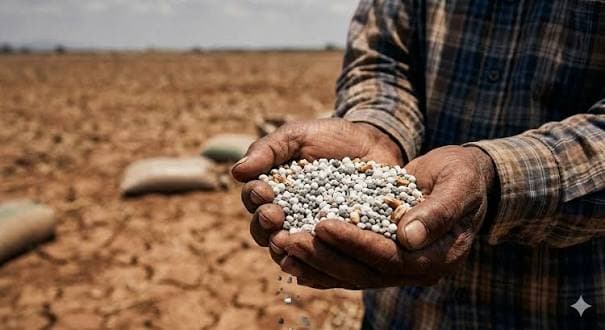
The Kiel Institute’s “Chemical-Food Cascade” framework explains how the 2026 Hormuz crisis is moving beyond chemical supply chains and into food inflation. Fertilizer disruption earlier this year may continue affecting corn, wheat, and sugar-based ingredient costs long after chemical logistics begin recovering.
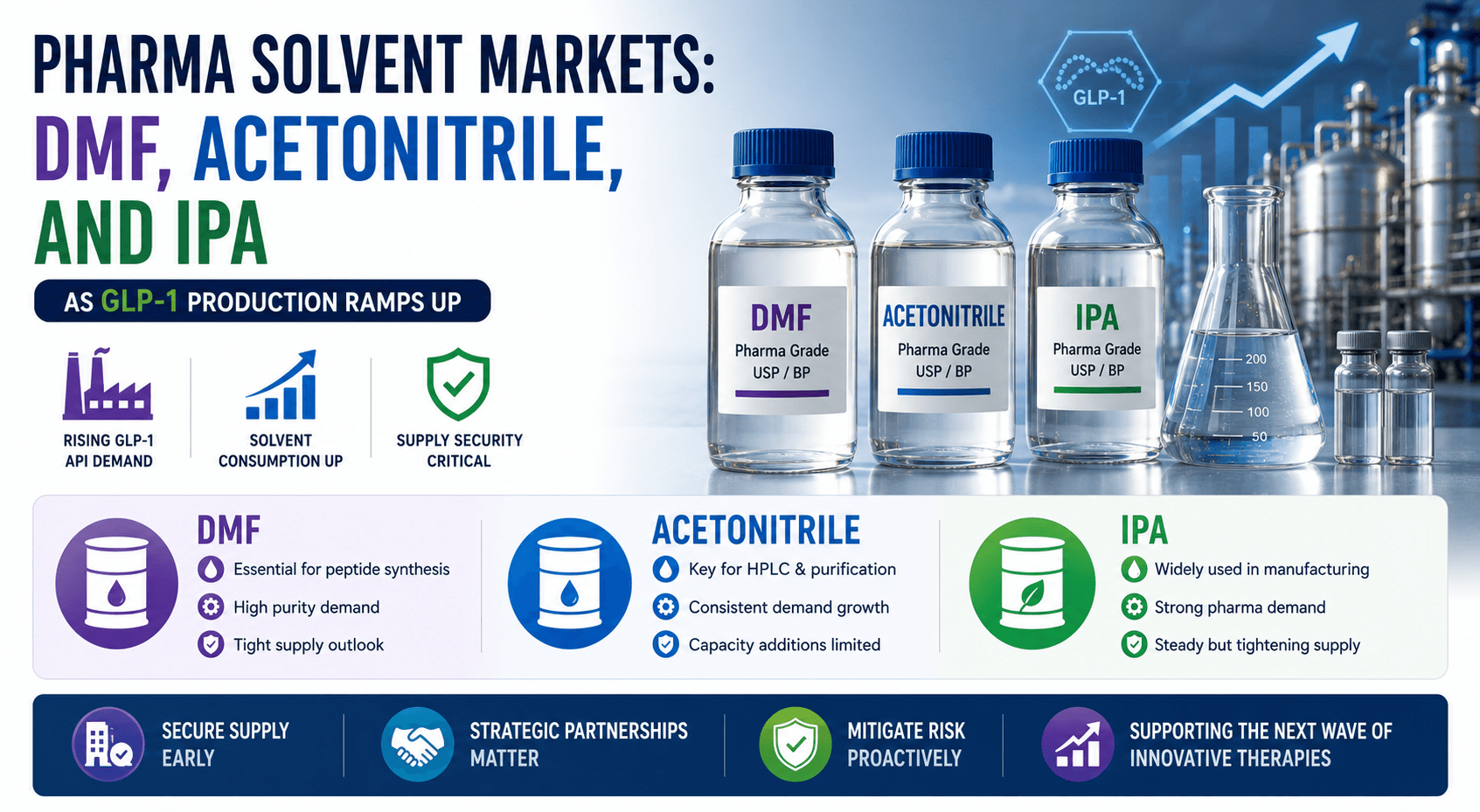
DMF, acetonitrile, and IPA markets are entering a new demand cycle as GLP-1 API production scales globally. Pharmaceutical buyers should renegotiate solvent contracts now before rising peptide manufacturing demand tightens supply in H2 2026
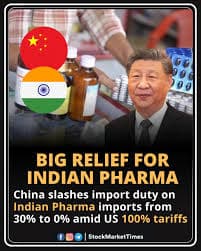
India’s recent duty waiver for pharmaceutical intermediates has been a boon for global manufacturers, but the looming end of this policy raises concerns about rising import costs. This article examines the potential impact on API production, supply chains, and pricing strategies for stakeholders in the chemical industry.
We're committed to your privacy. Tradeasia uses the information you provide to us to contact you about our relevant content, products, and services. For more information, check out our privacy policy.