Introduction Soya Lecithin
The Asia-Pacific region stands as the undisputed epicenter of growth for the global chemical and industrial ingredients market. Within this dynamic landscape, Soya Lecithin has emerged as a critical, multi-functional additive, finding indispensable roles from animal nutrition to high-tech manufacturing. As a naturally derived emulsifier and stabilizer, its value proposition aligns perfectly with regional trends towards sustainable, functional, and cost-effective ingredients. For chemical buyers and industry stakeholders across Asia, understanding the evolving applications, supply chain nuances, and market projections for Soya Lecithin is no longer optional, it is a strategic imperative.
This article provides a comprehensive analysis tailored for professionals navigating the chemical industry and industrial feed ingredients sector. We will delve beyond basic specifications to explore the real-world drivers of demand, the competitive landscape shaped by local production and imports, and the key considerations for procurement. With a forward-looking perspective to 2026, we aim to equip buyers, product developers, and business strategists with the insights needed to make informed decisions in a market characterized by both immense opportunity and complex variables.
Understanding Soya Lecithin: A Versatile Industrial Ingredient
Soya Lecithin is a complex mixture of phospholipids, glycolipids, triglycerides, and sterols extracted during the refining of soybean oil. Its primary functional component, phosphatidylcholine, grants it exceptional surface-active properties. Technically, it acts as an emulsifier, allowing water and oil to mix into stable emulsions; a dispersing agent, preventing clumping in powdered systems; a release agent, aiding in separation from molds; and a nutritional supplement, providing a source of choline and essential fatty acids. This multifaceted functionality is what underpins its widespread industrial adoption.
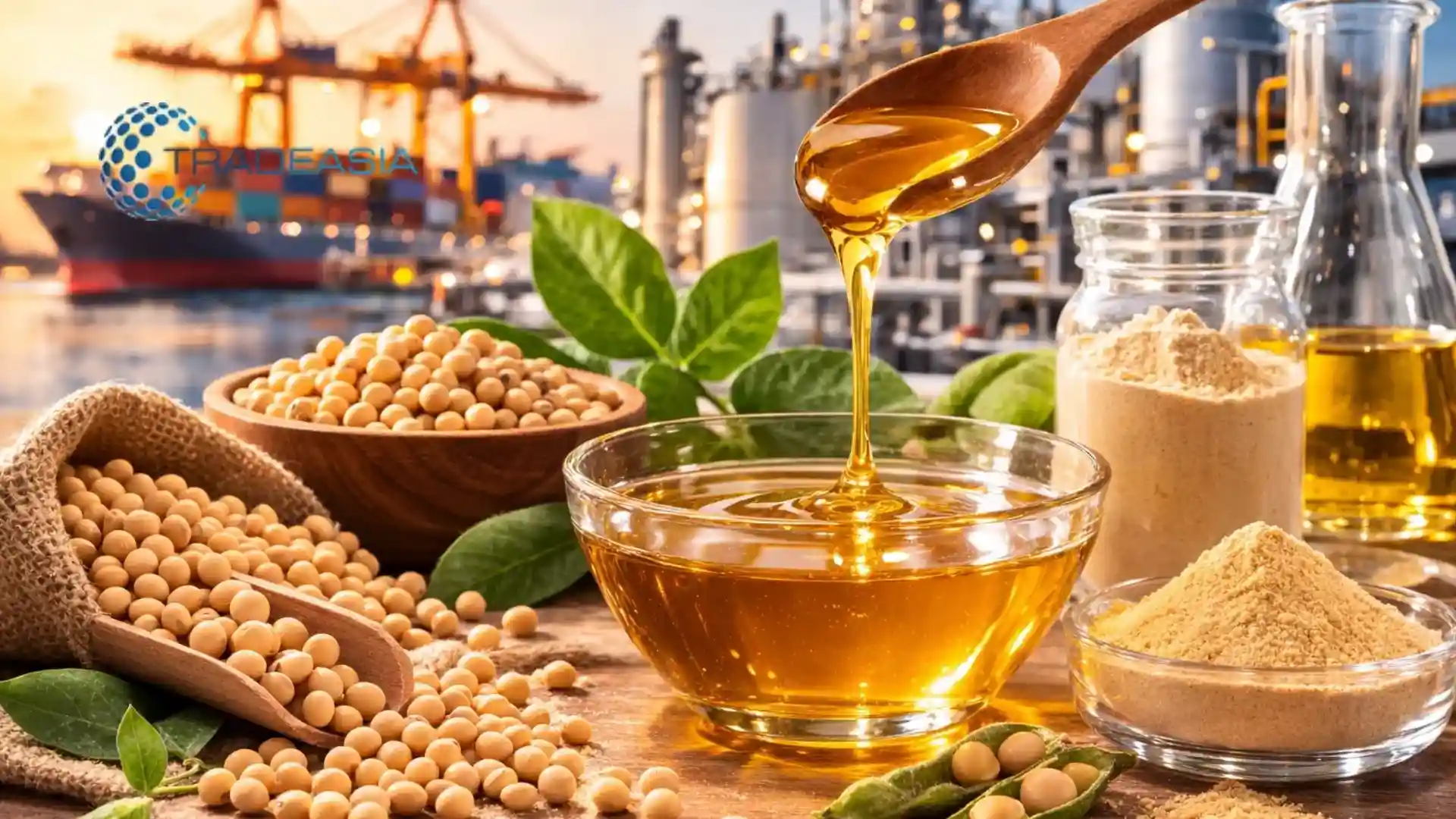
From a product specification standpoint, buyers encounter Soya Lecithin in several standardized forms. Liquid Lecithin is the most common, a viscous, honey-like substance with a typical phosphatide content of 60-70%. De-oiled Lecithin is a powdered form created by removing the triglyceride oil, resulting in a higher concentration of active phospholipids (over 95%), preferred for dry mix applications where flowability is crucial. Further refined products include Fractionated Lecithin, where specific phospholipid components are isolated for enhanced performance in specialized applications, such as phosphatidylcholine-rich grades for pharmaceutical uses. Key quality parameters for buyers include Acetone Insolubles (AI) content (indicating phospholipid purity), hexane residue, color, and viscosity.
Key Applications Driving Demand in Asia
The demand for Soya Lecithin in Asia is propelled by its irreplaceable role in several cornerstone industries. In the animal feed industry, it is a premier feed additive used primarily in aquaculture and poultry nutrition. In shrimp and fish feed, it improves pellet stability in water, reduces nutrient leaching, and enhances fat digestion and growth rates. For poultry, it acts as an energy source and improves the digestibility of fats, leading to better feed conversion ratios. The massive scale of Asia's aquaculture and livestock sectors, particularly in China, India, Vietnam, and Thailand, creates a continuous, high-volume demand for quality feed ingredient emulsifiers.
Beyond feed, the food and beverage industry is a major consumer. Soya Lecithin is ubiquitous in chocolates and confectionery as an anti-bloom agent and viscosity reducer, in baked goods for dough conditioning and shelf-life extension, and in instant products to improve wettability and dispersion. The region's growing middle class and shifting consumption patterns towards processed and convenience foods directly fuel this segment. Furthermore, non-food industrial applications are expanding rapidly. It is used as a release agent in plastic manufacturing, a softening and conditioning agent in leather processing, a grinding aid in paint and ink production, and a key component in cosmetics for its emulsifying and skin-conditioning properties.
The Asian Market Landscape: Trends and Insights to 2026
The Asian market for Soya Lecithin is projected to exhibit robust growth through 2026, driven by compound annual growth rates (CAGR) estimated between 4-6%. This growth is underpinned by several key trends. Firstly, the "clean label" movement, though more pronounced in the West, is gaining traction in developed Asian economies like Japan, South Korea, and Australia, favoring natural emulsifiers like lecithin over synthetic alternatives. Secondly, the intensification and modernization of the industrial feed ingredients sector demand higher-performance additives to improve efficiency, directly benefiting lecithin consumption.
From a supply perspective, the market is a mix of large domestic producers and international traders. China is both a massive consumer and a leading global producer, with its vast soybean crushing industry providing abundant raw material. India and Southeast Asian nations are significant and growing markets, often relying on a combination of local production and imports to meet specific quality or volume needs. A critical trend is the volatility in the price and availability of raw soybeans, which directly impacts Soya Lecithin costs. Buyers must also navigate varying regional standards and certifications (Halal, Kosher, Non-GMO) which are increasingly important for market access. Platforms like chemtradeasia have become vital in connecting this fragmented but dynamic supply with demand.
Sourcing Soya Lecithin: A Guide for Industrial Buyers
For chemical buyers in Asia, procuring Soya Lecithin requires a strategic approach that balances cost, quality, and reliability. The first step is defining precise technical specifications: the required form (liquid, powder, de-oiled), Acetone Insolubles percentage, viscosity, and any necessary certifications (Non-GMO, Organic, allergen statements). Engaging with suppliers who can provide consistent batch-to-batch quality and comprehensive technical data sheets (TDS) and safety data sheets (SDS) is non-negotiable for industrial applications.
Building a resilient supply chain often involves dual-sourcing strategies. While large local crushers offer cost advantages and logistical ease, specialized international traders or producers might be necessary for high-purity, fractionated, or certified products. Buyers should conduct thorough due diligence, including factory audits where possible, to assess manufacturing practices and quality control systems. Furthermore, establishing clear contractual terms regarding incoterms, payment methods, liability, and protocols for handling quality disputes is essential. Leveraging B2B platforms that specialize in the chemical industry can streamline this process, offering access to vetted suppliers, transparent pricing mechanisms, and market intelligence that empowers informed purchasing decisions.
Conclusion
Soya Lecithin remains a cornerstone ingredient in Asia's industrial ecosystem, with its demand trajectory firmly pointed upward towards 2026. Its unique functional properties ensure its continued dominance in traditional sectors like animal feed and food processing, while new applications in green chemistry, pharmaceuticals, and personal care promise additional avenues for growth. For buyers and industry participants, success will hinge on a deep understanding of application-specific requirements, agile navigation of the regional supply landscape, and strategic partnerships with reliable suppliers.
The convergence of demographic trends, industrial expansion, and a shift towards natural ingredients solidifies Soya Lecithin's position as a market of strategic importance. By staying informed on technical specifications, market dynamics, and sourcing best practices, chemical industry professionals can effectively capitalize on the opportunities this versatile ingredient presents, driving innovation and efficiency in their own operations. For more information about Soya Lecithin availability, product specifications, or sourcing solutions across Asia and global markets, please contact the Chemtradeasia team to discuss your business requirements.

Leave a Comment