
Melamine - Indonesia
- IUPAC Name
- 1,3,5-triazine-2,4,6-triamine
- Molecular Formula
- C3H6N6
- Molecular Weight (g/mol)
- 126.1200
- Synonyms & Trade Names
- Melamine; 1,3,5-Triazine-2,4,6-triamine; Cyanuramide
- Purity / Assay (%)
- 99.8% min
- Grade / Quality Level
- Industrial Grade
Categories
Technical Document
Brief Overview
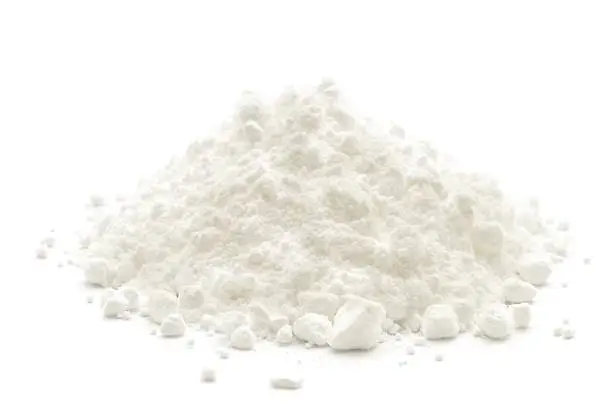
Cyanurotriamide, cyanurotriamine, or cyanuramide is another term for the chemical compound melamine. Melamine is usually supplied as a white, crystalline powder. Because of its chemical makeup, melamine may be combined with other substances to make durable goods. It becomes easily moldable when heated, and it solidifies into a form when it cools to room temperature. Melamine is stable and non-hygroscopic. For storage, it has to be kept cool, dry, and well-ventilated. It can be explosive when heated to temperatures above 300 degrees Celsius in a tight space. Additionally, it emits toxic vapors that can irritate the respiratory system, eyes, and skin. Safety eyewear, respirator protection, and protective gloves are required when handling melamine. When handled properly, melamine is safe; but, if it is found in food, it may be dangerous.
Manufacturing Process
Melamine can be synthesized from urea, dicyandiamide, or hydrogen cyanide. Today, most industries employ urea as the main ingredient to make melamine. The reaction might take place under low pressure or high pressure circumstances. The first stage of this process involves the conversion of urea to isocyanic acid. During a high pressure process, isocyanic acid is converted to cyanuric acid, which then reacts with ammonia to generate melamine. There is no requirement for a catalyst because the high pressure reaction takes place in the liquid phase. Carbodiimide or cyanamide are the products of a low pressure reaction that isocyanic acid goes through before becoming melamine. This reaction was conducted in gas phase with the aid of a catalyst. Either carbodiimide or cyanamide serves as the catalyst in this case. The process of making melamine is basically endothermic.


