
Share this product :
Melamine - China
- Origin
- : China
- CAS Number
- : 108-78-1
- HS Code
- : 29336100
Basic Info
- IUPAC Name
- : 1,3,5-triazine-2,4,6-triamine
- Molecular Formula
- : C3H6N6
- Molecular Weight (g/mol)
- : 126.1200
- Synonyms & Trade Names
- : Melamine; 1,3,5-Triazine-2,4,6-triamine; Cyanuramide
- Purity / Assay (%)
- : 99.8% min
- Grade / Quality Level
- : Industrial Grade
- Physical Form
- : Solid
- Concentration
- : Pure substance
- Appearance / Color
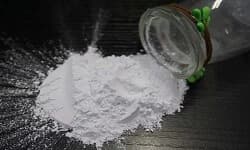
- : White to off-white solid
- Odor
- : Odorless
- Melting Point (°C)
- : 354.0000
- Density (g/cm³)
- : 1.5730
- Solubility in Water
- : Slightly soluble
- UN Number
- : Not applicable
- GHS Hazard Class
- : under CLP
- H-Statements
- : None
- P-Statements
- : P260|P262
- REACH Status
- : Registered
- Drug Precursor Status
- : Non-precursor
- Storage Class (GHS)
- : 13
- Storage Conditions
- : Cool, dry place; sealed containers
Categories
Share this product :
Brief Overview
Melamine is an organic compound which is also known as Cyanurotriamide, Cyanurotriamine, or Cyanuramide. Melamine usually comes in the form of white crystalline powder. The structure of melamine enables to combination with another chemical compound to form a strong and durable product. It is easily molded when warmed and becomes a fixed form at room temperature. Melamine is stable and non-hygroscopic. It should be stored under dry cool and well-ventilated condition. It can be explosive if it is heated in enclosed space and above 300oC and it produces toxic vapours that may cause eye, skin, and respiratory irritation. The use of protective gloves, safety glasses, and respiratory protection is required when handling melamine. Melamine is safe in normal use but dangerous if it is contained in food.
Manufacturing Process
Melamine can be synthesized from urea, dicyandiamide, or hydrogen cyanide. Nowadays, most industries use urea as the main ingredient for melamine manufacture. The reaction can be done with high pressure or low pressure condition. The first stage of this reaction converts urea to isocyanic acid. At high pressure reaction, the isocyanic acid is converted to cyanuric acid which then reacts with ammonia to produce melamine. The high pressure reaction does not require catalyst and occurs in liquid phase. Low pressure reaction converts isocyanic acid to carbodiimide or cyanamide which is further converted to melamine. This reaction was performed in gas phase with a catalyst. In this case, carbodiimide or cyanamide acts as the catalyst for the reaction. The overall process of melamine manufacture is an endothermic reaction.