
Mono Propylene Glycol (E1520) CAS: 57-55-6
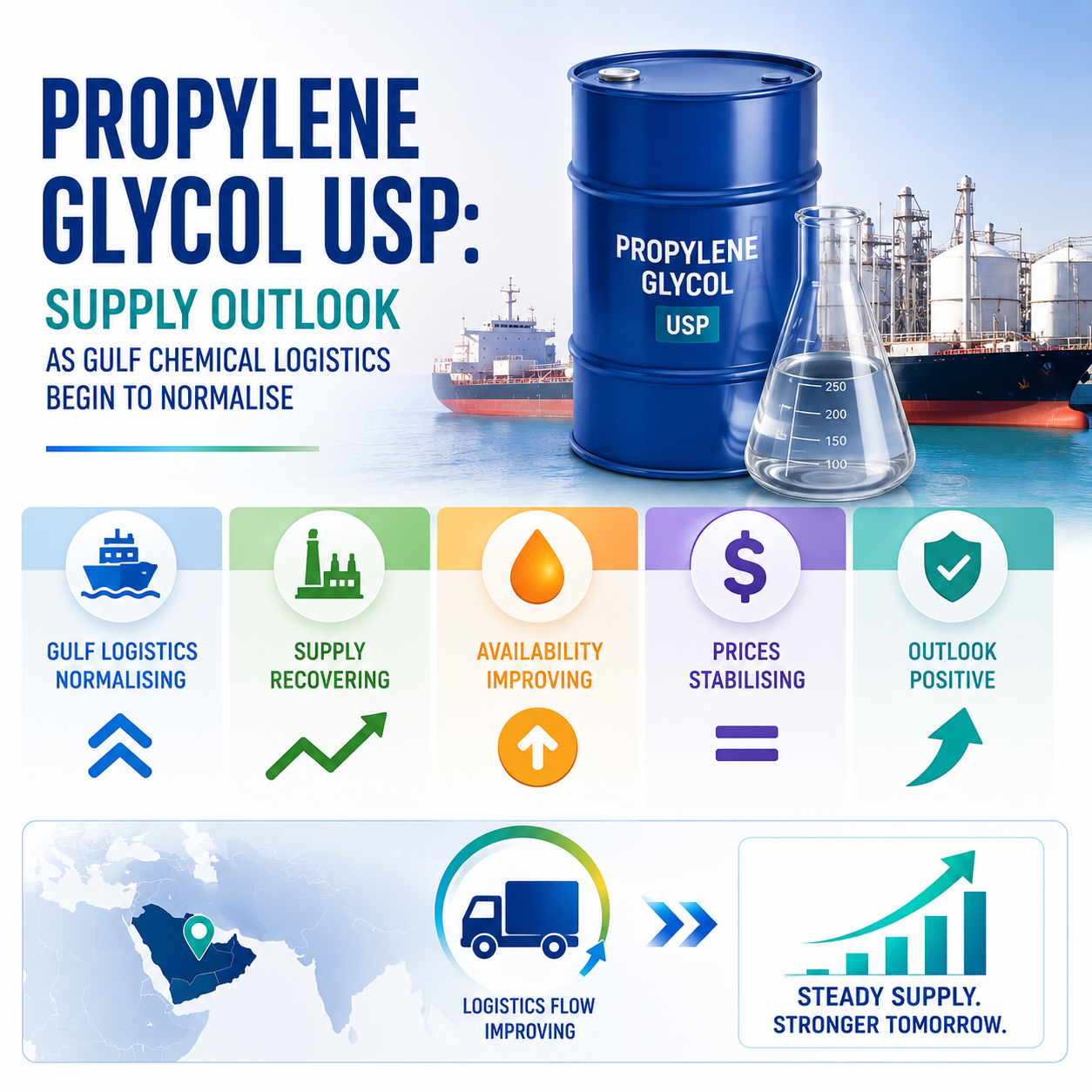
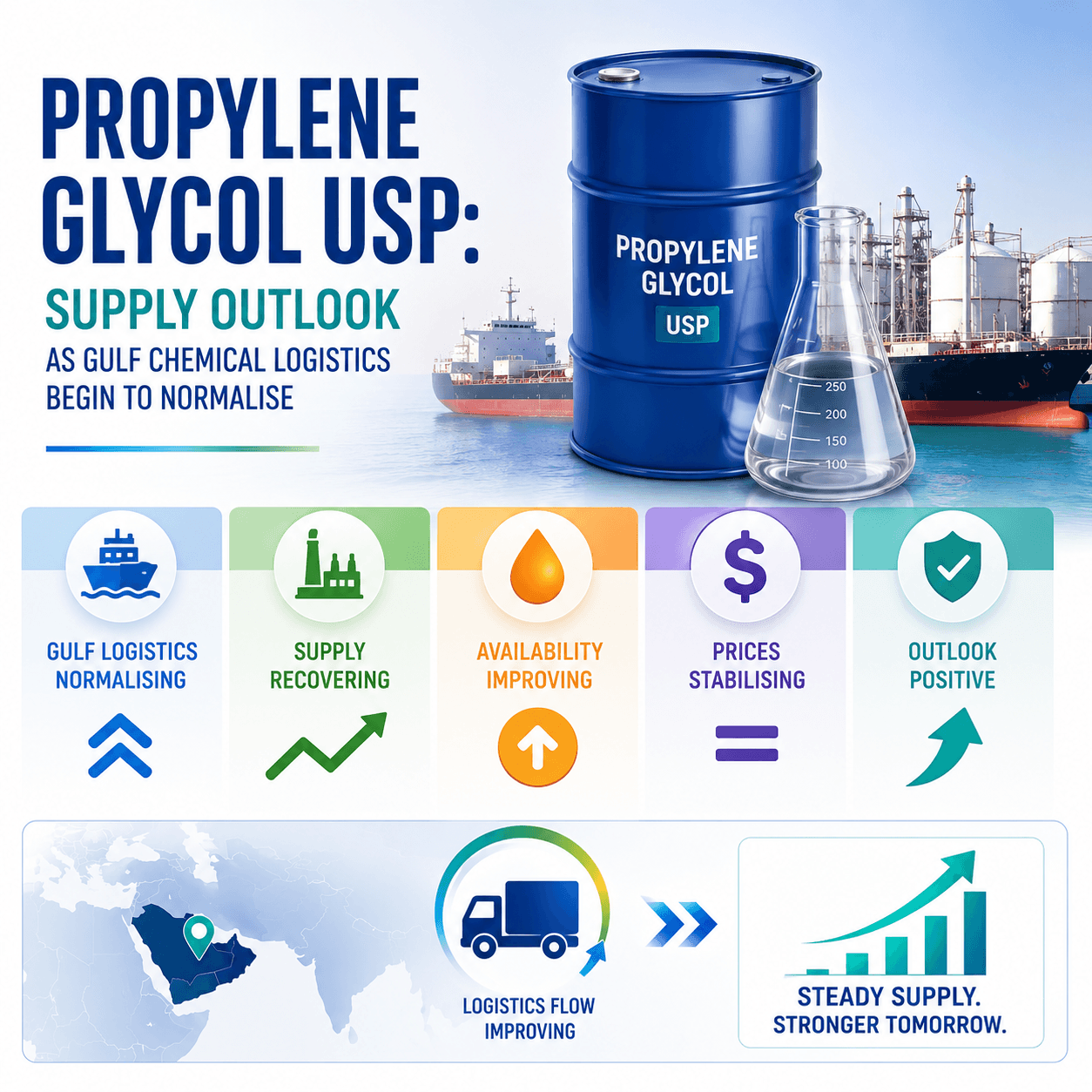
Mono Propylene Glycol (E1520) CAS: 57-55-6
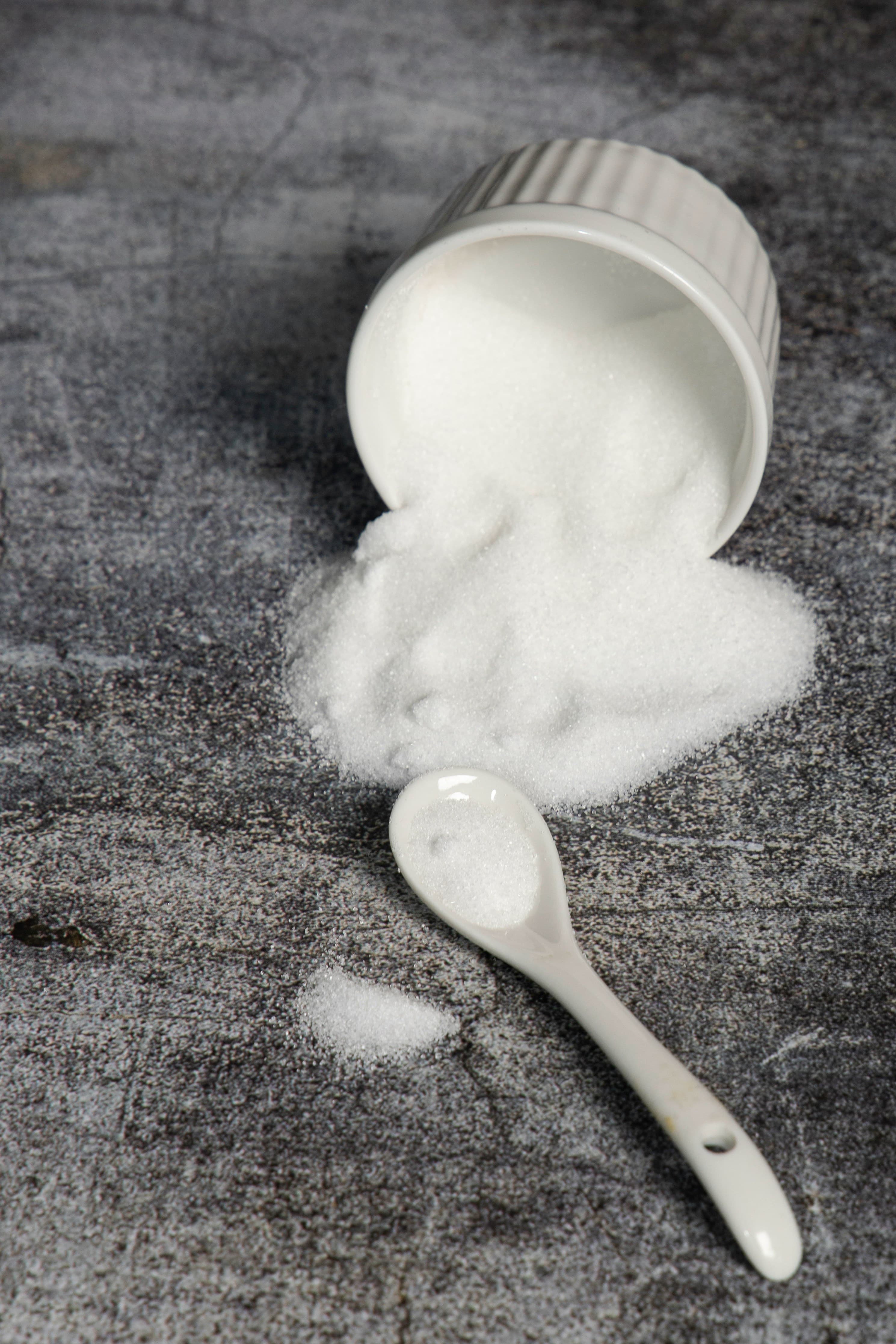
Weather-related disruptions are highlighting the importance of resilient logistics networks for food-grade chemical distribution.

Prolonged geopolitical disruption is increasing the likelihood of force majeure declarations across energy and chemical supply chains. Procurement and legal teams should review contracts, supplier obligations and contingency plans before disruptions escalate.
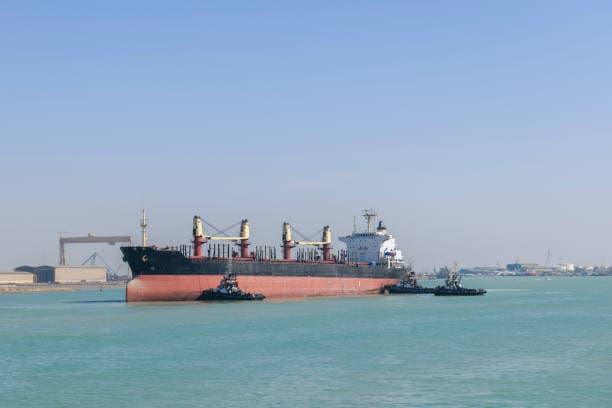
Despite heightened tensions in the Persian Gulf, Iranian-flagged ships continue to navigate key maritime corridors. Their persistent presence offers clues about regional shipping resilience, chemical logistics, and the evolving power dynamics of global supply chains.

When shipping volumes plateau, the true pulse of the chemical market lies in the number of force majeure declarations. 48 active notices this month paint a picture of gradual recovery and reveal where supply disruptions still loom. In the ICIS chemical market, fewer force majeure claims mean a smoother flow of raw materials and finished goods.

Food ingredient buyers continue to face elevated costs as Gulf supply chains recover from the Hormuz crisis and freight disruptions.
The June 19 Hormuz ceasefire agreement could restart ammonia exports from QAFCO and SABIC, but shipping delays and mine clearance operations mean buyers should closely monitor Gulf supply recovery before expecting full market normalization.
We're committed to your privacy. Tradeasia uses the information you provide to us to contact you about our relevant content, products, and services. For more information, check out our privacy policy.