

Methanol CAS: 67-56-1
Methanol CAS: 67-56-1
The Hormuz ceasefire agreement has improved sentiment, but supply chain conditions remain far from normal. Vessel congestion, mine clearance operations and production restart delays mean chemical buyers should maintain elevated inventory levels for now.
Naphtha markets remain under pressure as Japan relies on strategic reserves and South Korean producers declare force majeure across downstream contracts. Procurement teams across plastics and fibers face difficult sourcing decisions while waiting for post-ceasefire supply normalization.

The latest intelligence report from June 19, 2026 outlines ten pivotal developments reshaping procurement and trade in the chemical sector. From the Hormuz Memorandum of Understanding to surging methanol futures, discover how SCFI index movements and ChemCon Asia insights are guiding strategic decisions.

Methanol futures have reached their highest level since 2021 as Hormuz supply disruptions tighten global availability. Procurement teams must evaluate pricing, sourcing strategies and contract timing as market uncertainty continues into 2027.

From natural disasters and geopolitical conflicts to infrastructure bottlenecks and feedstock shortages, the chemical industry has repeatedly learned expensive lessons about supply chain risk. These five events continue to shape procurement strategy in 2026.
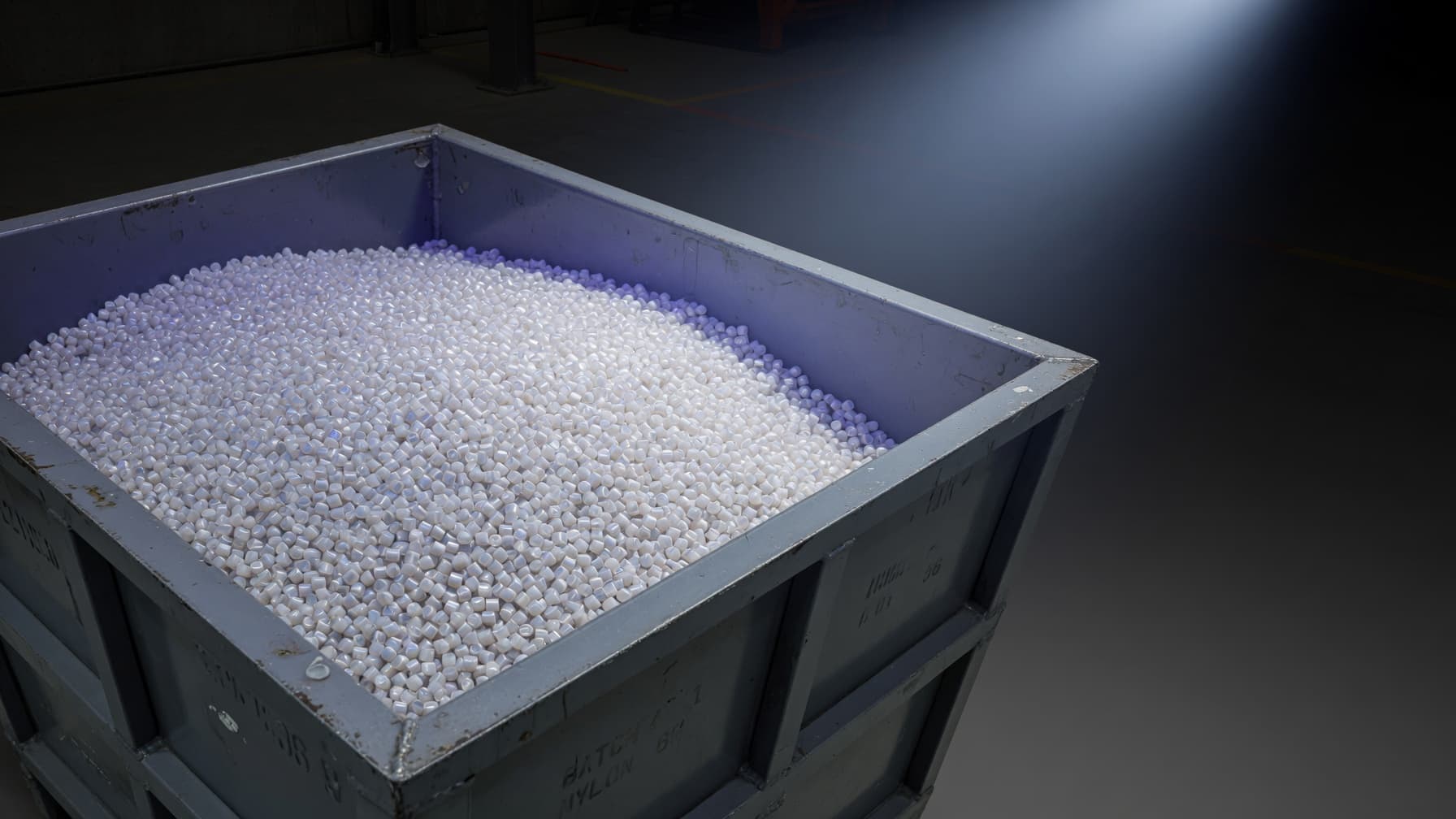
The bankruptcy filing of Ascend Performance Materials marks a major turning point for the Nylon 66 supply chain. Rising Chinese capacity, changing feedstock dynamics and increased global competition are reshaping sourcing strategies for buyers worldwide. Procurement teams should reassess supplier portfolios before market conditions shift again.
We're committed to your privacy. Tradeasia uses the information you provide to us to contact you about our relevant content, products, and services. For more information, check out our privacy policy.