While US financial and commodity markets pause for the Independence Day holiday, global chemical logistics continues evolving. The quieter trading environment provides procurement professionals with an opportunity to review several operational developments that will influence freight planning throughout July.
Rather than focusing on headlines, this holiday brief highlights five developments that deserve immediate attention before markets fully reopen next week.
1. Convoy Operations Are Improving Throughput, But Container Cargo Still Uses Cape Routing
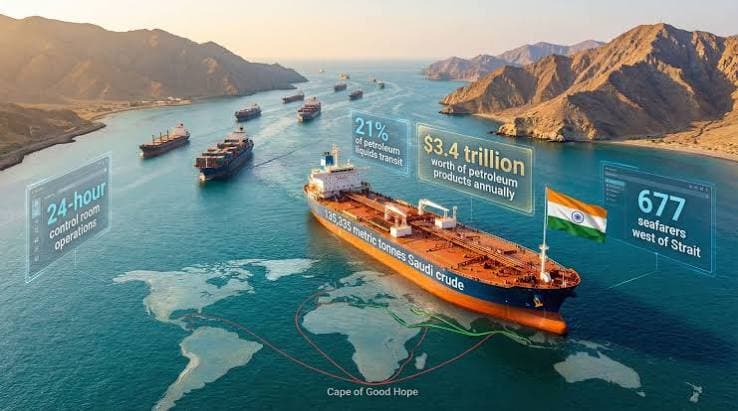
Commercial vessel movements through the Strait of Hormuz continue improving, with approximately 149 vessels currently in transit under the evolving convoy framework.
This represents a substantial improvement compared with the lowest levels of traffic recorded during the crisis.
However, procurement teams should distinguish between shipping sectors.
Bulk and chemical tankers are beginning to benefit from escorted convoy operations.
Container carriers continue maintaining Cape of Good Hope routing.
Asia–Europe containerised chemical cargo remains largely unaffected by convoy progress.
Freight planning assumptions for container shipments therefore remain unchanged.
Operational recovery has begun, but routing strategies remain segmented by vessel type.
2. Mine Clearance Defines the Next Operational Milestone
Mine clearance—not diplomacy alone—continues determining when unrestricted commercial navigation can return.
Current operational estimates suggest that the second half of July represents the earliest realistic period in which the central Hormuz navigation channel could become available for wider commercial use, subject to successful clearance, verification and official reopening.
For logistics managers, this is an important planning milestone rather than a confirmed reopening date.
Monitor:
Mine clearance progress.
Notices to Mariners.
Marine insurer guidance.
Carrier routing announcements.
These indicators will provide stronger evidence of operational recovery than political statements alone.
3. P&I Clubs Enter Their July Review Period
Marine insurers are now entering their quarterly underwriting review cycle.
This is the first opportunity for many Protection and Indemnity (P&I) clubs to reassess Hormuz war risk using convoy-era operating data rather than peak-crisis assumptions.
Chemical shippers should contact insurers and brokers to determine:
Whether Hormuz cover is being reinstated or expanded.
Whether escorted convoy transits qualify for revised premiums.
Changes to deductibles or reporting requirements.
Updated war risk pricing for Q3 shipments.
Any announcements during July 7–10 could influence freight quotations throughout the remainder of the quarter.
4. Sohar May Become the Next Bottleneck
Improving maritime security does not automatically eliminate logistics constraints.
Port of Sohar now faces increasing operational pressure as:
Convoy staging activity expands.
Stranded vessels re-enter commercial schedules.
Gulf exports continue recovering.
More traffic concentrates through Omani coastal routes.
For buyers with cargo routing through Sohar, berth availability and tanker turnaround times may become more important than open-water navigation during the coming weeks.
Monitor port congestion reports alongside vessel movements.
5. The Red Sea Continues Defining Asia–Europe Freight Economics
Perhaps the most important structural reality entering H2 is that global freight costs continue to depend upon two strategic maritime corridors rather than one.
Although Gulf shipping is gradually improving:
The Red Sea remains below historical operating capacity.
Cape of Good Hope routing continues for Asia–Europe container services.
Freight costs remain above pre-2024 levels.
Carrier network planning remains unchanged.
Until both the Strait of Hormuz and the Red Sea support predictable commercial navigation, Asia–Europe chemical freight is unlikely to return to historical cost structures.
Looking Ahead to Next Week
When US markets reopen on July 7, procurement teams should compare freight rates, insurance developments and carrier operating guidance against today's holiday baseline.
Three developments deserve particular attention:
Changes in container freight rates following the Independence Day trading pause.
P&I club announcements regarding convoy-era war risk coverage.
Operational updates on mine clearance and Sohar port congestion.
Together, these indicators will provide the clearest picture yet of how global chemical logistics is transitioning from crisis management toward long-term operational recovery.
Ready to source industrial and specialty chemicals from verified global suppliers? Explore competitive offers on our platform today.
High Density Polyethylene (HDPE) CAS: 9002-88-4