
Related Insights

Houston Ship Channel Reopens: What It Means for Construction Chemical Supply in H2 2026
The reopening of the Houston Ship Channel restores an important logistics route for construction chemicals just as the U.S. enters its peak residential building season. Discover what this means for supply planning.

Nutraceutical Supply: The Double Corridor Crisis and Amino Acid Logistics
Chinese amino acid producers (L-lysine, L-threonine, taurine, L-methionine, choline chloride) serve global nutraceutical

Ammonia Export Restart: Bürgenstock Roadmap Positions QAFCO and SABIC for Q3
The Bürgenstock roadmap and recent Hormuz transit data signal a clear path for QAFCO and SABIC to resume ammonia exports in Q3 2026. While force majeure conditions may lift in July, mine clearance delays could postpone full tanker capacity until August. Agricultural and industrial buyers should prepare for an improved but staggered supply outlook.

OCP Morocco July Tender Sets Global DAP Price Benchmark for Q3 2026
OCP Morocco’s July tender will determine the worldwide price benchmark for DAP and MAP fertilizers, shaping global supply dynamics for Q3 2026. The decision reflects rising phosphoric acid costs and a tightening phosphate market, offering buyers a clear reference point for future contracts.

Ethanol Industrial Grade: Mid-Year Procurement Review as H2 Demand Builds
Industrial ethanol buyers are entering the critical H2 procurement cycle as demand from pharmaceuticals, sanitizers, cosmetics and solvent applications accelerates. Competitive Brazilian supply, stable Indian production and evolving freight dynamics are reshaping sourcing decisions for Q3 and Q4 deliveries. This review examines market conditions, procurement risks and sourcing strategies for industrial ethanol in 2026.
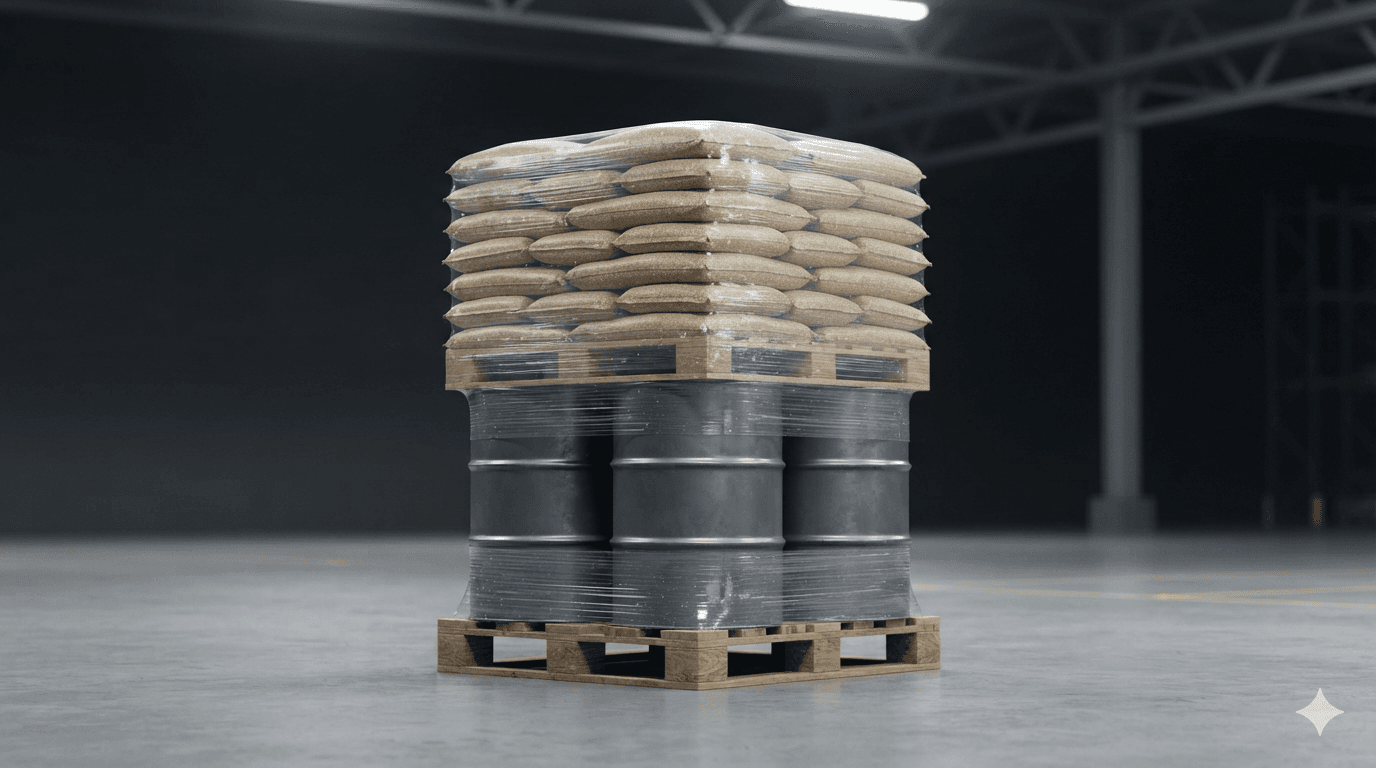
Herbicides, Pesticides, and China Export Restrictions: 2025‑2026 Supply Chain Rewrites
China’s tightening export controls on herbicides, pesticides, and key fertilizer inputs have rattled global agrochemical supply chains. Buyers are diversifying suppliers, boosting inventories, and rethinking procurement strategies. The shift is reshaping the industry’s risk profile and trade patterns.
Don't miss out on our updates! Subscribe to our newsletter now
We're committed to your privacy. Tradeasia uses the information you provide to us to contact you about our relevant content, products, and services. For more information, check out our privacy policy.