
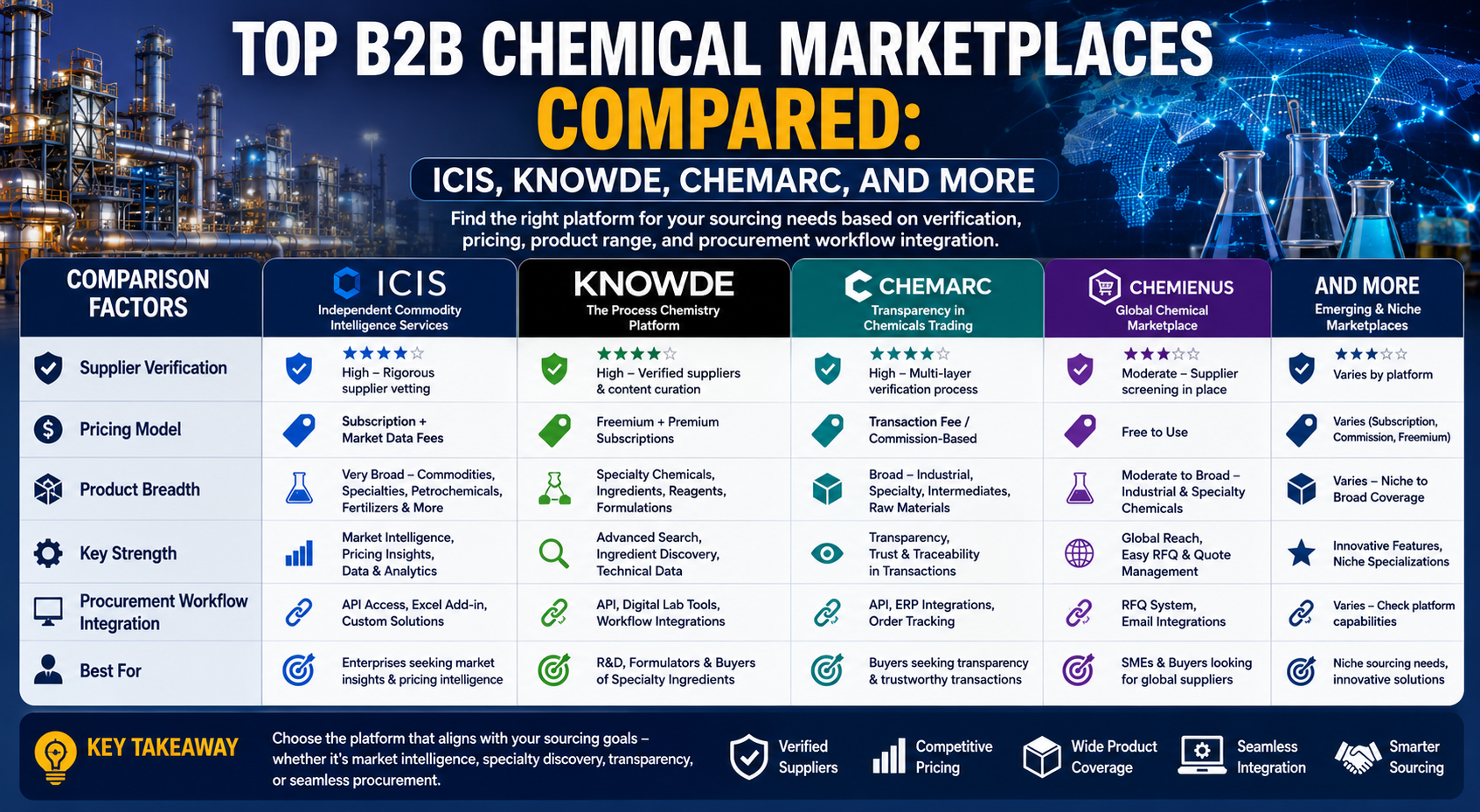
Broken Rice
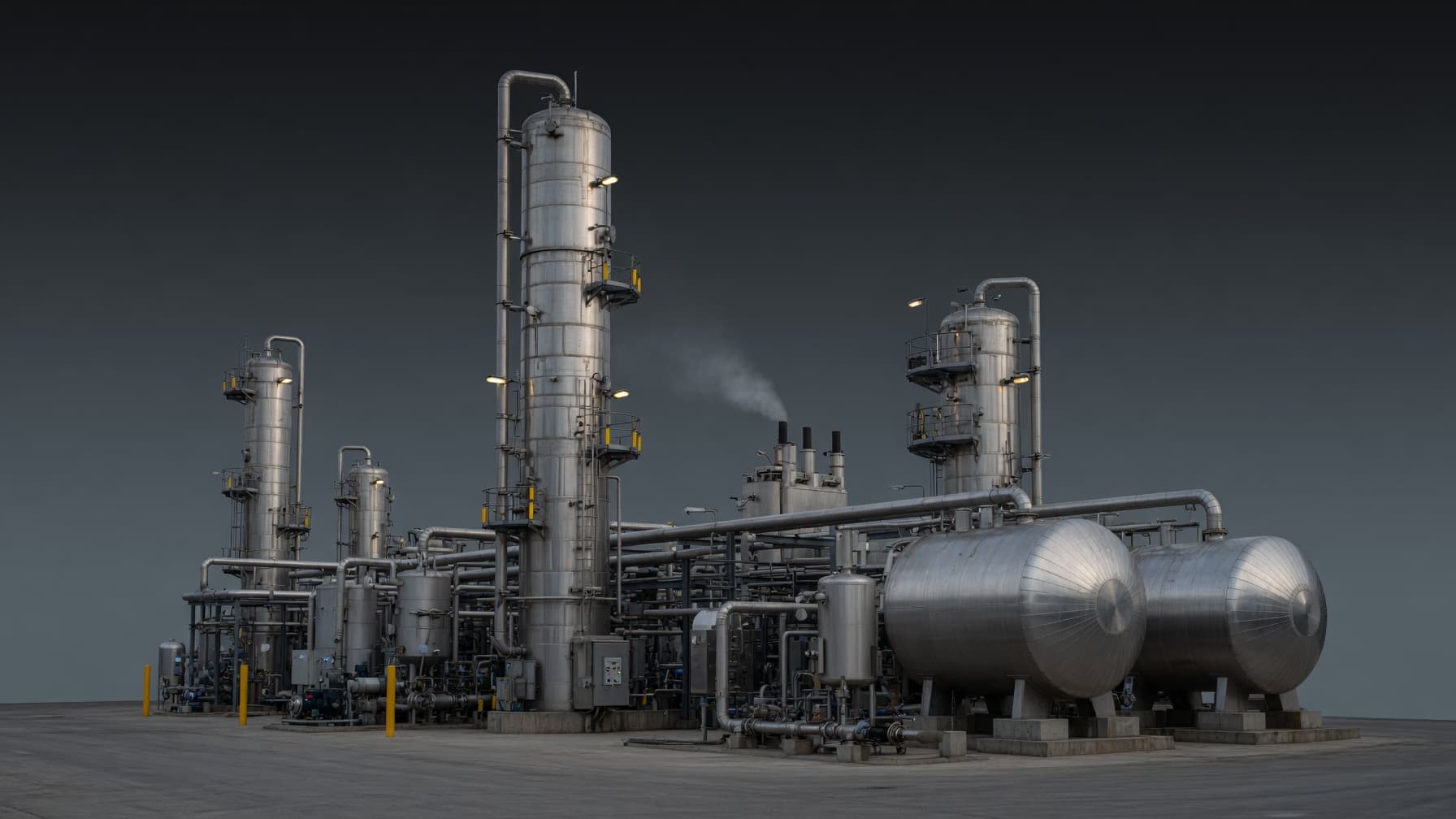
Chemical companies are entering 2026 with a renewed focus on cash flow, portfolio restructuring and selective investment rather than aggressive expansion. Procurement teams should understand how this strategy could affect production capacity, supplier priorities and long-term supply reliability.
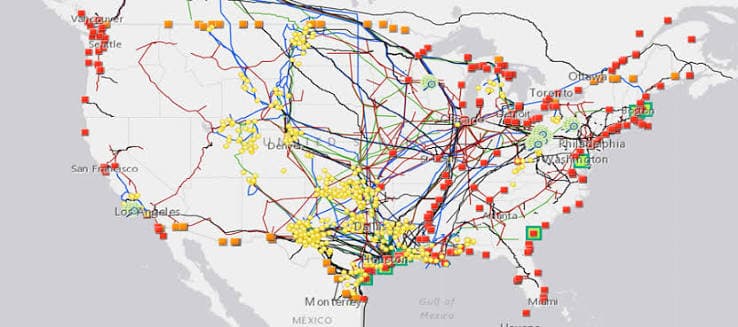
Choosing where to build a chemical plant has become significantly more complex than comparing feedstock costs alone. Modern investment decisions balance economics, logistics, regulation, infrastructure and geopolitical resilience. Understanding these factors helps procurement professionals anticipate where future global chemical capacity is most likely to be built.
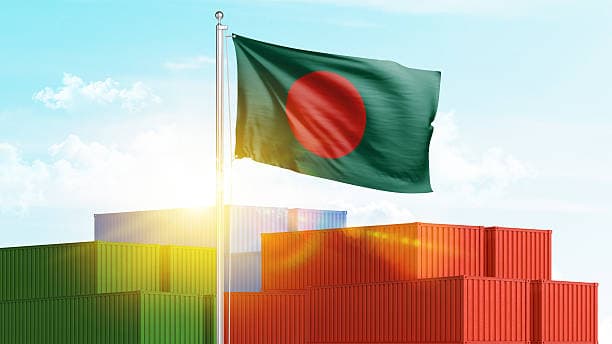
Bangladesh’s Aman rice season has begun, making nitrogen fertilizer availability a national priority. The limited convoy slots from Gulf suppliers force the Bangladesh Chemical Industries Corporation (BCIC) into a high‑stakes race against regional competitors. Delays could trigger a critical fertilizer shortfall for a country feeding over 170 million people.

The 2026 Hormuz crisis demonstrated that shipping chokepoints are no longer theoretical risks. For chemical buyers, understanding which products depend on vulnerable trade corridors has become essential for procurement planning and supply chain resilience.

In 2026, chemical procurement teams face a complex landscape of tariffs, new regulations like CBAM, and geopolitical shifts. This article explains why procurement professionals must master supply chain intelligence, geopolitical risk analysis, and trade flow analysis to build resilient sourcing strategies.

A missile strike near Israel’s Haifa petrochemical complex has raised new concerns about regional chemical supply risks. Buyers are monitoring refinery operations, feedstock availability and the impact on global market stability.
We're committed to your privacy. Tradeasia uses the information you provide to us to contact you about our relevant content, products, and services. For more information, check out our privacy policy.