


Related Insights

Can Conflict‑Driven Freight Gains Endure for European Chemical Shippers?
European chemical shippers face a crossroads as geopolitical tensions inflate freight costs. The article examines whether the current pricing surge, sparked by regional conflicts and supply chain disruptions, can sustain itself as markets evolve. Shippers weigh cost‑saving strategies and long‑term market dynamics.

Post‑Consumer Chemical Recovery: The Hormuz Crisis Case for Domestic Circular Feedstocks
The 2024 Hormuz crisis exposed fragilities in global feedstock supply chains, spotlighting the resilience of post‑consumer recycled chemicals. This article explores how domestic circular feedstocks reduce procurement risk, advance sustainability, and strengthen the circular economy.

Cape of Good Hope Routing: July 10 Updated Cost Assessment
The latest Cape of Good Hope routing update released on Friday, July 10, reveals a nuanced shift in freight costs for Asia‑Europe chemical shipments. Bunker Adjustment Factors and the recent BAF reset have reshaped container shipping rates, impacting procurement decisions across the supply chain.
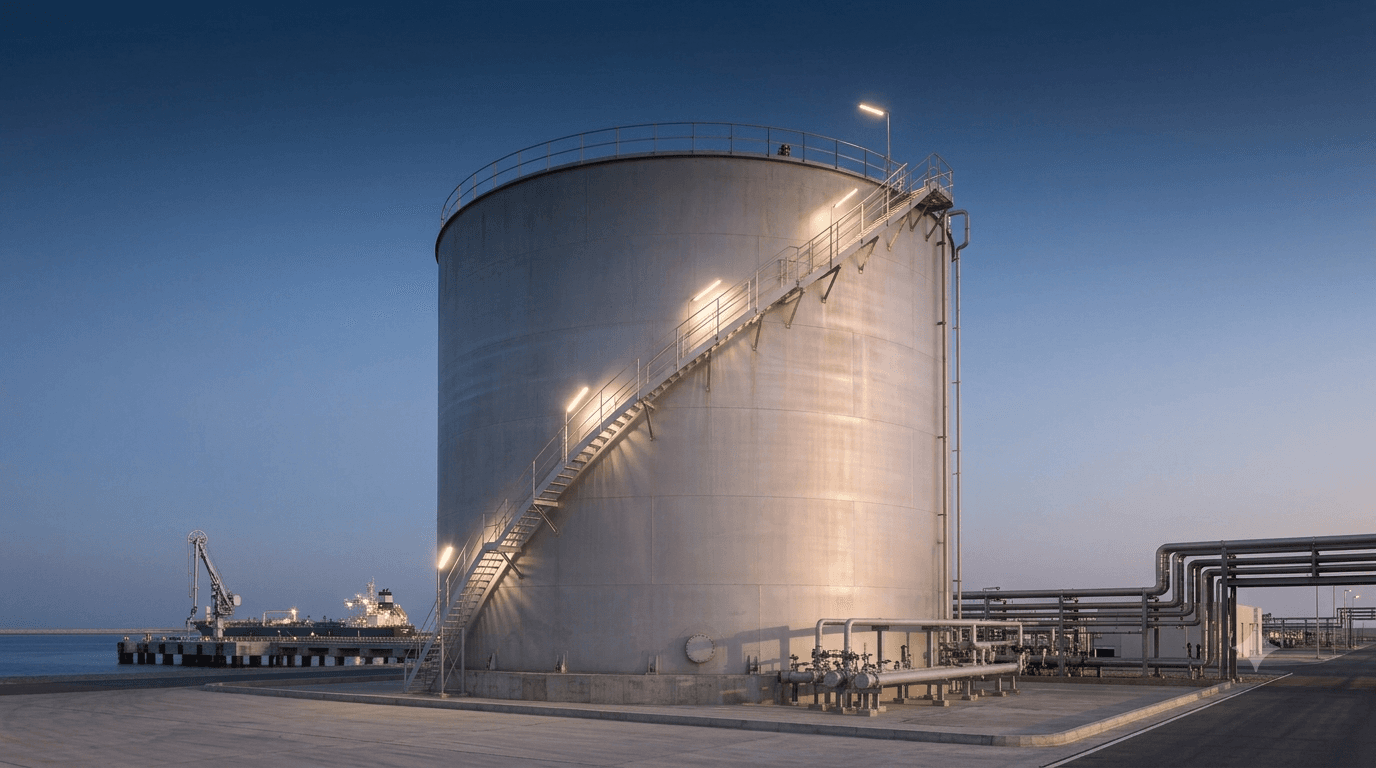
Thailand's Emergency Fuel Export Ban: A Case Study in Downstream Chemical Disruption and Supply Chain Risk
Thailand's emergency fuel export ban highlighted how government intervention can rapidly disrupt downstream chemical supply chains. Procurement teams that rely on Thai petrochemical exports can use this case to strengthen sourcing strategies and reduce exposure to sudden market shocks.

Jordan API Supply: Post-Crisis Recovery Assessment for Antibiotic Procurement Teams
Jordan's pharmaceutical API exports are showing signs of recovery as regional shipping conditions improve. Buyers dependent on antibiotic APIs should use July to verify logistics, rebuild inventories and secure Q3 supply agreements. This guide evaluates logistics recovery, procurement risks and outlines actionable Q3 sourcing strategies.

Citric Acid H2 2026 Contracts: Why July Creates a Strategic Procurement Opportunity
Freight conditions are changing rapidly for global citric acid buyers as shipping routes recover and logistics costs begin to ease. Procurement teams negotiating H2 2026 contracts have a short opportunity to secure improved delivered pricing before freight adjustments spread across the market.
Don't miss out on our updates! Subscribe to our newsletter now
We're committed to your privacy. Tradeasia uses the information you provide to us to contact you about our relevant content, products, and services. For more information, check out our privacy policy.