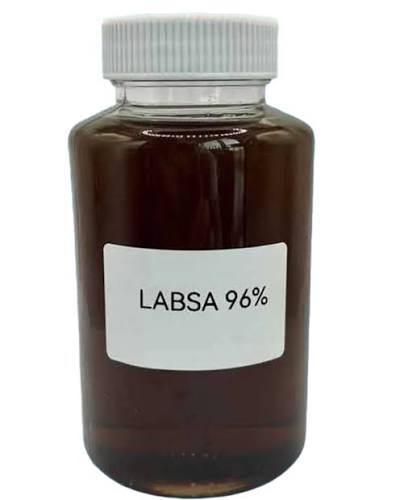

The global Linear Alkylbenzene Sulphonic Acid (LABSA) market may be entering a new competitive phase. During recent supply disruptions in the Gulf region, Indian LABSA producers benefited from reduced availability of Gulf-derived n-paraffin, allowing domestic manufacturers to strengthen their position in regional markets.
Now, with escorted maritime convoys supporting the gradual return of Gulf exports, feedstock availability could improve, reshaping pricing and competition across Asia during the second half of 2026.
For detergent manufacturers, chemical distributors, and procurement teams, the coming months represent an important period for reviewing sourcing strategies and negotiating long-term supply agreements.
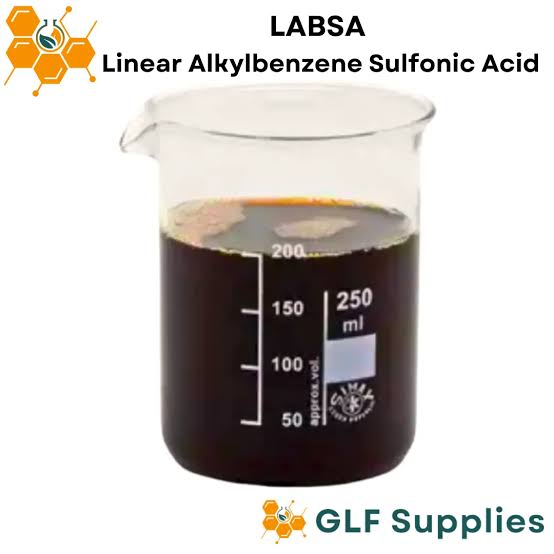
Why n-Paraffin Matters in LABSA Production
n-Paraffin is one of the primary raw materials used to manufacture Linear Alkylbenzene (LAB), which is then sulfonated to produce LABSA.
LABSA is a widely used anionic surfactant found in:
Laundry detergents
Dishwashing liquids
Industrial cleaners
Household cleaning products
Institutional hygiene products
Textile processing chemicals
Agricultural formulations
Because feedstock costs account for a significant portion of production expenses, changes in n-paraffin availability can directly influence LABSA pricing.
Linear Alkylbenzene Sulfonic Acid (90%) - India CAS: 27176-87-0
How Indian Producers Benefited
During periods of reduced Gulf exports, Indian manufacturers were able to rely more heavily on domestic and alternative feedstock sources.
This provided several competitive advantages:
Improved production continuity
Stronger regional market presence
Greater export opportunities
Reduced dependence on imported feedstocks
Increased bargaining power in some markets
As a result, many detergent manufacturers turned to Indian suppliers to secure stable LABSA supplies.
What the Return of Gulf Supply Could Mean
The gradual resumption of Gulf n-paraffin exports may restore competition across the regional LAB value chain.
Greater feedstock availability could support:
Increased LAB production
Higher LABSA output
Improved supply reliability
More supplier options
Greater market competition
However, the pace of change will depend on export volumes, logistics capacity, and broader market demand.
A More Competitive Market
As Gulf feedstocks become more available, buyers may have access to a wider range of sourcing options.
Potential market developments include:
Increased price competition
More balanced regional supply
Improved procurement flexibility
Expanded export opportunities
Greater contract negotiation leverage
Rather than relying on a single producing region, manufacturers may increasingly diversify purchases across multiple suppliers.
Why July–August Could Be an Important Procurement Window
Periods of market transition often create opportunities for buyers to negotiate favorable commercial terms.
During the current adjustment phase, procurement teams may benefit from:
Comparing quotations from multiple suppliers
Negotiating longer-term contracts
Reviewing pricing formulas
Evaluating logistics reliability
Assessing supplier performance
A diversified sourcing strategy can also reduce exposure to future supply disruptions.
Procurement Strategies for Detergent Manufacturers
Companies purchasing LABSA should consider several practical actions.
Diversify Supply Sources
Maintaining relationships with suppliers in different regions can improve supply security and reduce concentration risk.
Monitor Feedstock Markets
Track developments affecting n-paraffin, kerosene derivatives, crude oil, and refining activity to better anticipate pricing trends.
Review Inventory Levels
Maintain appropriate inventory while avoiding excessive stock accumulation during periods of changing prices.
Strengthen Supplier Relationships
Long-term partnerships with reliable producers can provide greater stability during market fluctuations.
Factors That Will Influence LABSA Prices
Several variables will continue shaping the market throughout H2 2026.
These include:
Crude oil prices
Refinery operating rates
Feedstock availability
Freight costs
Regional demand for detergents
Currency movements
Manufacturing capacity utilization
Monitoring these indicators together provides a more complete view than focusing on a single market event.
Opportunities for Chemical Distributors
Distributors serving detergent manufacturers may experience increased customer interest in:
Multi-origin sourcing
Flexible delivery schedules
Price risk management
Inventory optimization
Technical support
Supply continuity planning
Offering broader sourcing options may become an important competitive advantage as regional markets rebalance.
Looking Ahead
The gradual return of Gulf feedstock exports could restore greater competition across the LAB and LABSA markets, giving buyers more flexibility and potentially improving supply availability.
While market conditions will continue to evolve, procurement decisions made during this transitional period may influence sourcing costs and supply reliability throughout the remainder of the year.
Businesses that monitor market developments closely and maintain diversified supplier networks will be better positioned to respond to future changes.
Final Thoughts
The LABSA market is moving from a period of supply concentration toward a more competitive regional landscape. As Gulf n-paraffin exports gradually recover, detergent manufacturers and chemical buyers should evaluate sourcing opportunities across multiple origins, strengthen supplier relationships, and develop flexible procurement strategies to support long-term resilience.