

Related Insights
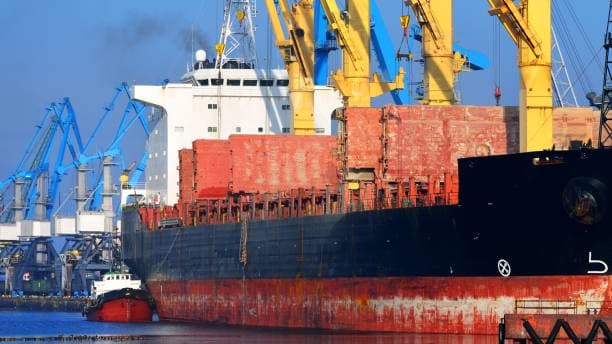
Trump Cuts 20% Hormuz Toll, A Rare De‑Escalation Amid Global Turbulence
In a surprising shift, President Trump has announced the removal of a proposed 20% toll on ships transiting the Strait of Hormuz. The decision offers temporary relief to shipping companies but is set against a backdrop of heightened geopolitical tensions. Maritime analysts examine how this change could reshape freight costs and chemical logistics for the next quarter.

Rupee Depreciation Reshapes Indian Chemical Export Logistics Economics
When the rupee weakens, Indian chemical exporters face higher freight costs, altered procurement choices, and shifting trade dynamics. This article explores how currency swings influence logistics, competitiveness, and international shipping strategies, offering insight into adapting to a volatile economic landscape.
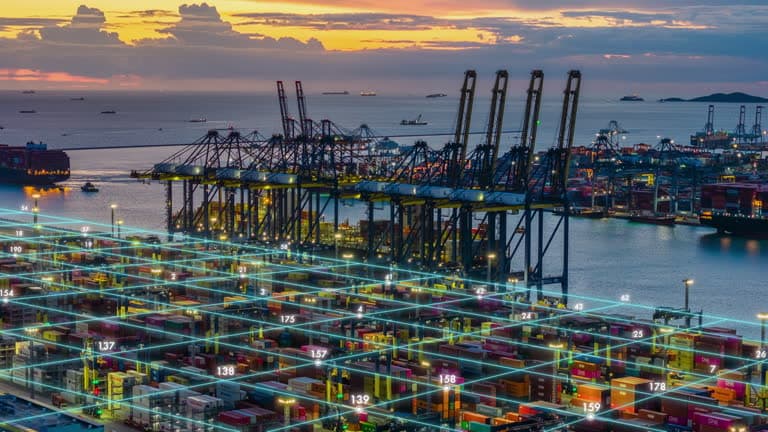
Trade Logistics Intelligence: Friday July 10 Brief
Get the latest chemical logistics updates for this week, covering UK trade remedies, PFAS compliance, the Solstice acquisition, Velogy and Aequita moves, Cape of Good Hope freight shifts, and force majeure documentation. Stay ahead with our concise analysis.
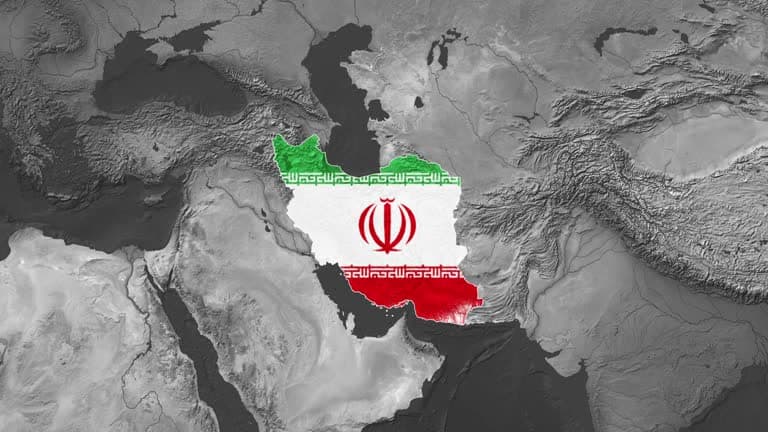
Iran's Hormuz Service Fees: A New Cost Layer for Gulf Chemical Trade
Iran’s proposed Hormuz transit fees could add $500–750 million annually to global chemical trade costs, creating a permanent landed‑cost increase for Gulf‑origin chemicals. This article analyzes the fee structure, its impact on petrochemical freight risk, and strategies for 2026 chemical procurement.

Post-Crisis Chemical Supply Chain Architecture: What Permanent Changes to Embed Now
The 2026 Hormuz crisis exposed structural weaknesses in global chemical supply chains. The lessons learned should now be translated into permanent procurement policies that strengthen resilience long after the crisis ends.
From Crisis to Strategy: How the 2026 Hormuz Shock Should Permanently Change Chemical Procurement
The 2026 Hormuz shock exposed critical procurement risks, reshaping sourcing, inventory, and supplier diversification practices for chemical buyers. Learn how the crisis forced a strategic pivot and what lasting changes are required to safeguard supply chains.
Don't miss out on our updates! Subscribe to our newsletter now
We're committed to your privacy. Tradeasia uses the information you provide to us to contact you about our relevant content, products, and services. For more information, check out our privacy policy.