
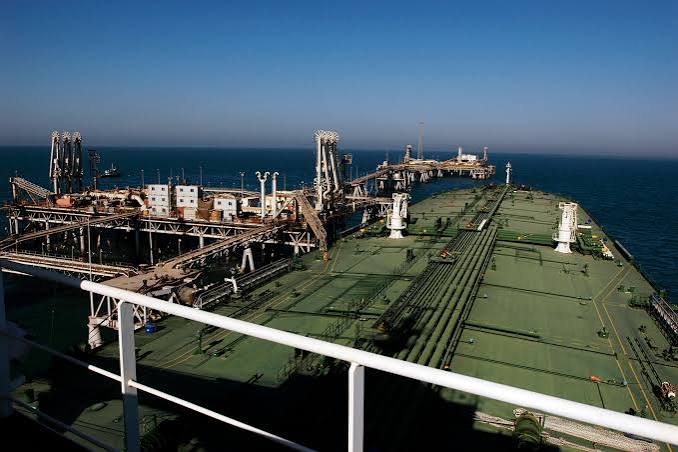
Cocamidopropyl Betaine CAS: 61789-40-0
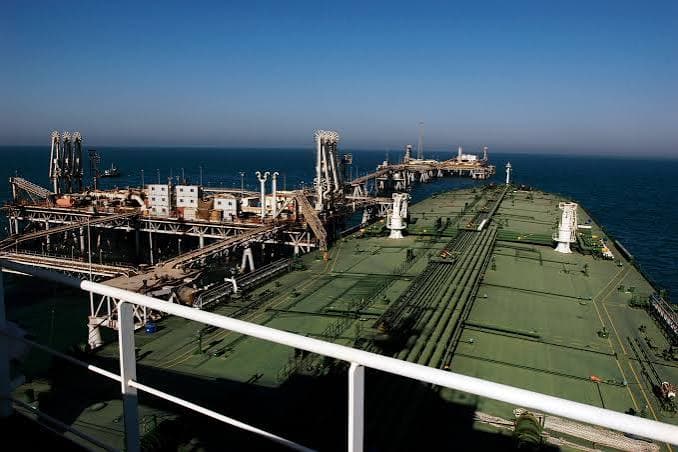
Cocamidopropyl Betaine CAS: 61789-40-0

Qatar’s strategic position as a chemical exporter, coupled with its control over frozen Iranian funds and a robust LNG supply chain, solidifies its role in Gulf fertilizer markets. The nation’s diplomatic clout ensures stable ammonia production and market confidence across the region.
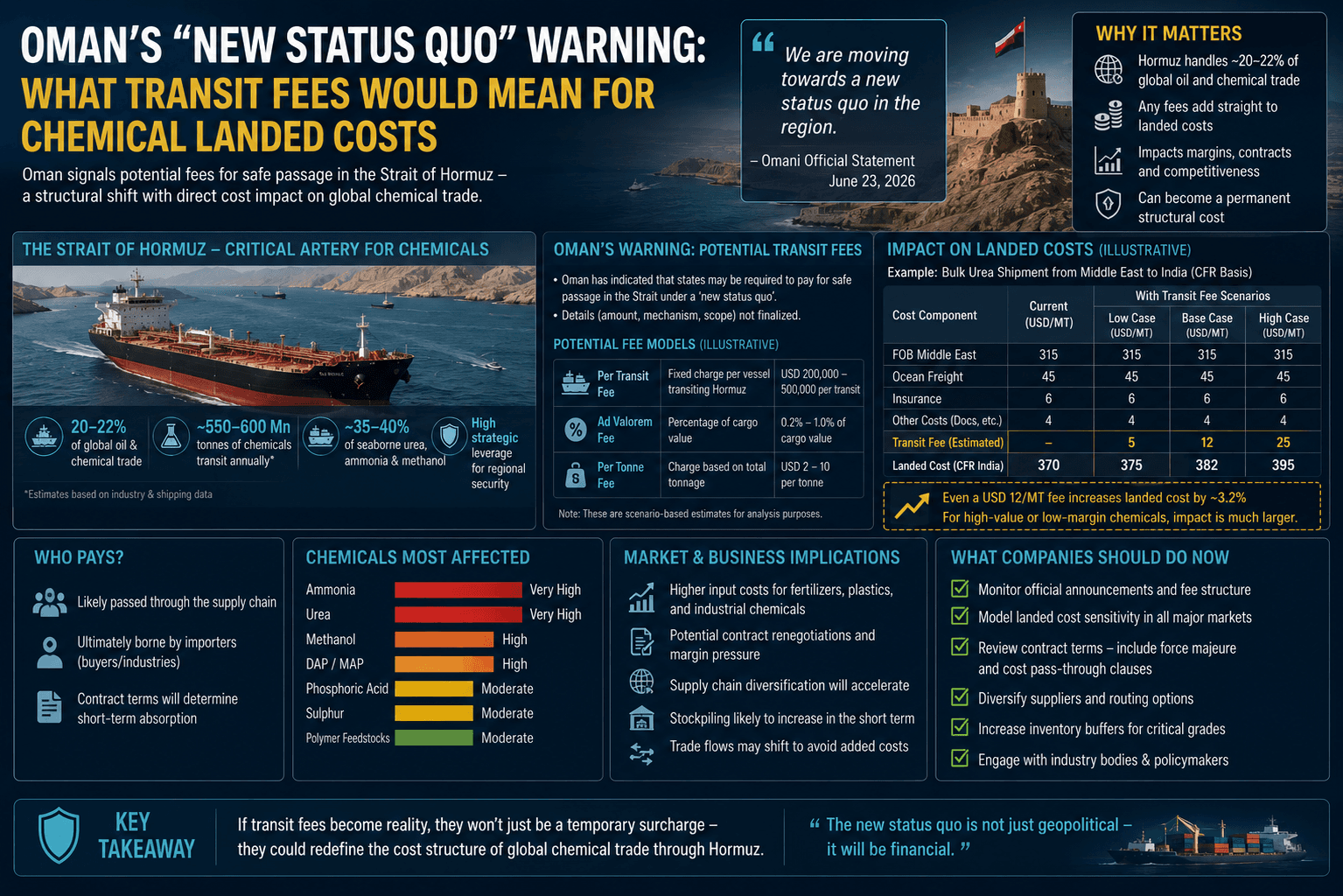
Oman’s warning that Hormuz may never return to pre-war conditions raises the prospect of permanent transit fees for commercial vessels. Chemical buyers should immediately model higher landed costs into H2 2026 procurement planning as Gulf shipping economics may have changed permanently.

Pakistan's chemical market is gradually stabilizing as Gulf exports recover and freight costs improve. While landed prices for key chemicals are easing, buyers must continue managing foreign exchange constraints and secure payment structures during the July–September procurement window.
Iran’s new petrochemical export waivers could create sourcing opportunities for pharmaceutical chemical buyers, but unresolved OFAC sanctions create major legal uncertainty. Procurement teams should seek immediate sanctions counsel before considering Iranian-origin chemical sourcing.
he global polystyrene market remains oversupplied, yet North American buyers face a changing supply picture after the closure of INEOS Styrolution's Channahon facility. This analysis examines leading polystyrene producers, trade flows, pricing pressures and what procurement teams should expect through 2027.
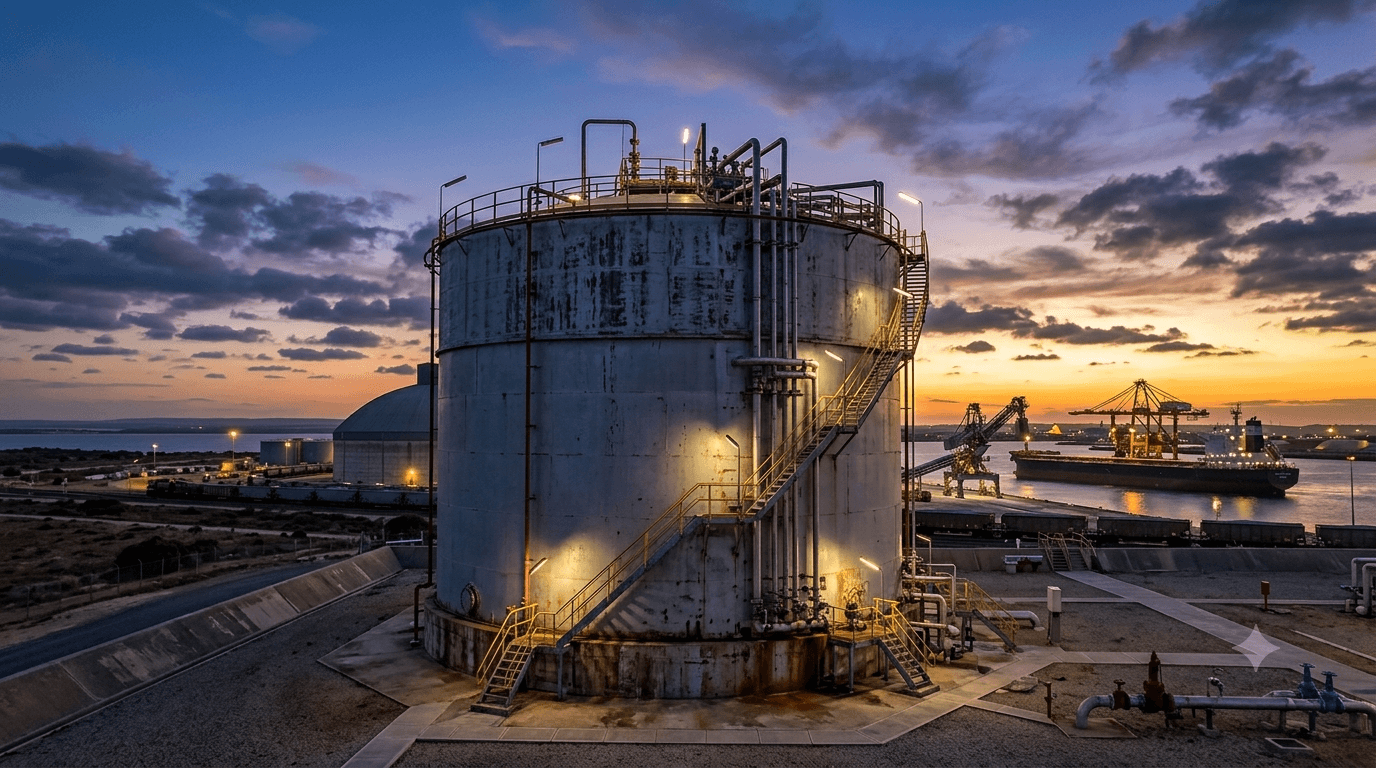
The 2026 Hormuz shock exposed critical procurement risks, reshaping sourcing, inventory, and supplier diversification practices for chemical buyers. Learn how the crisis forced a strategic pivot and what lasting changes are required to safeguard supply chains.
We're committed to your privacy. Tradeasia uses the information you provide to us to contact you about our relevant content, products, and services. For more information, check out our privacy policy.