
Mono Propylene Glycol (E1520) CAS: 57-55-6
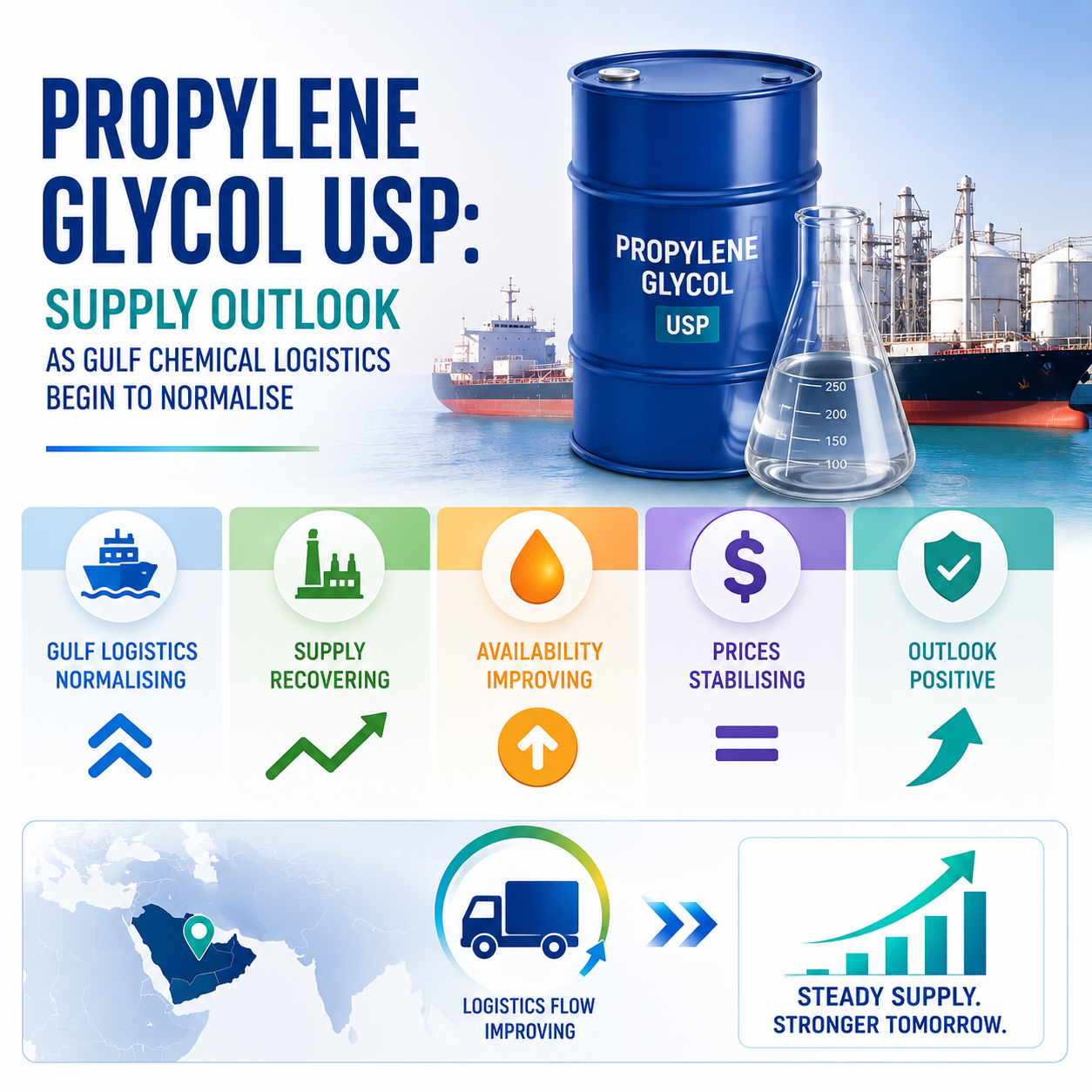
Mono Propylene Glycol (E1520) CAS: 57-55-6
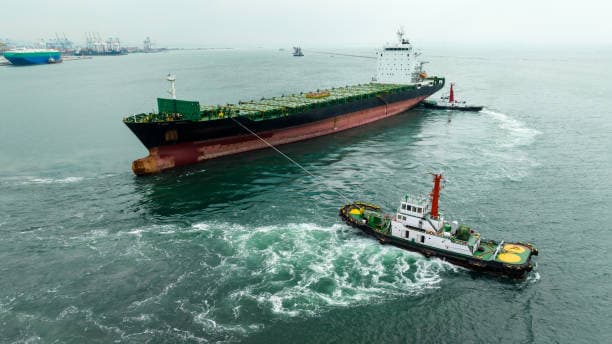
The Saudi‑led coalition has launched a comprehensive maritime security initiative in the Red Sea to counter escalating Houthi attacks. This move is reshaping vessel routing, freight pricing, and the global chemical supply chain, demanding greater resilience from tanker operators and logistics providers.
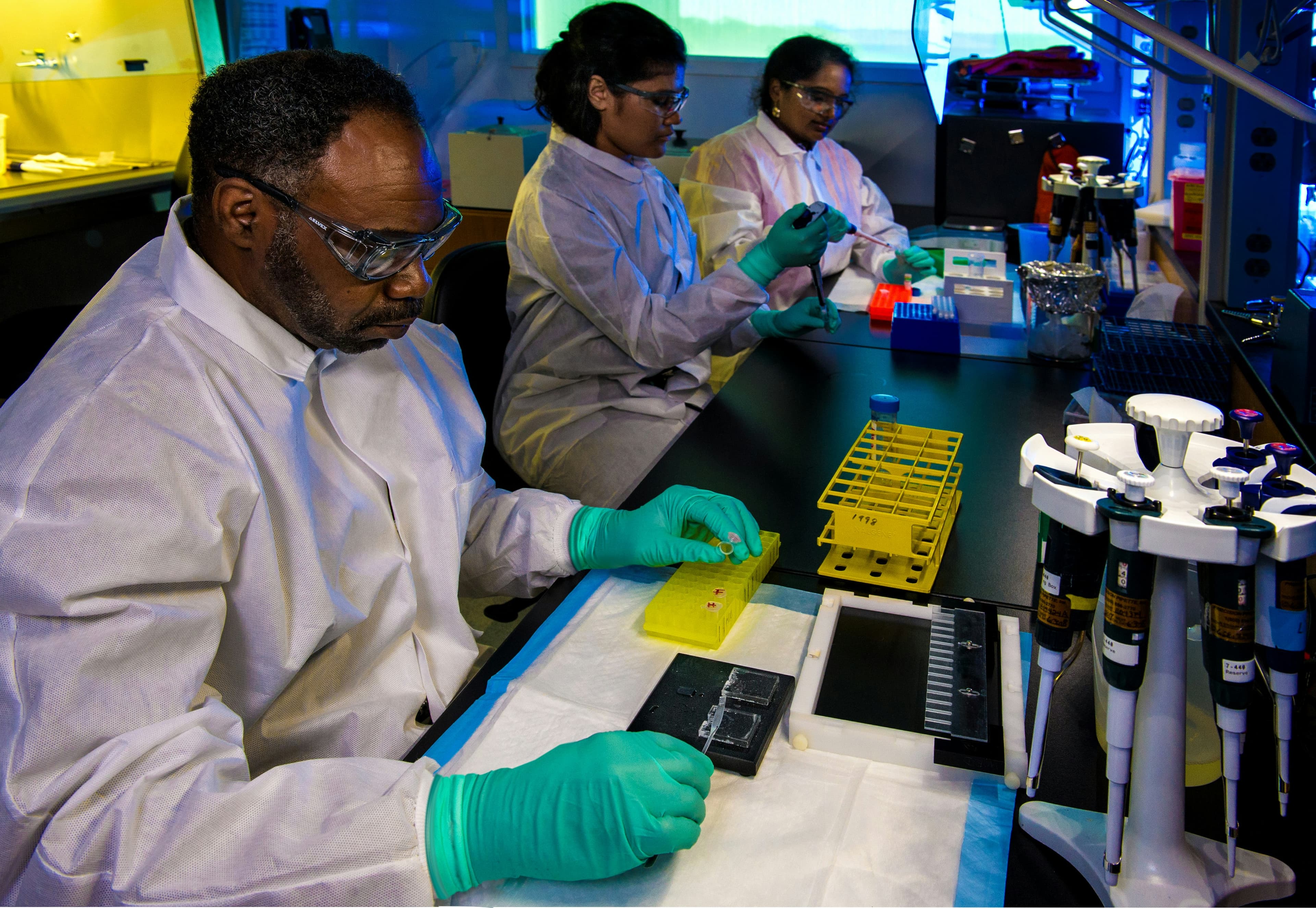
ARPA-H's $160 million THRIVE program, scaling custom gene editing into an industrial platform
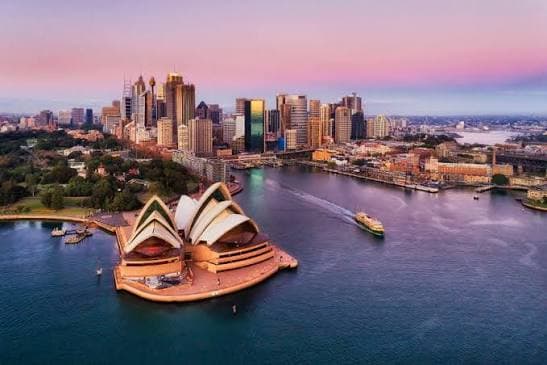
The Red Sea shipping crisis remains one of the defining structural constraints on global chemical logistics. Even as Gulf shipping gradually recovers, Asia–Europe freight cannot return to pre-crisis economics while the Red Sea remains an active security concern.
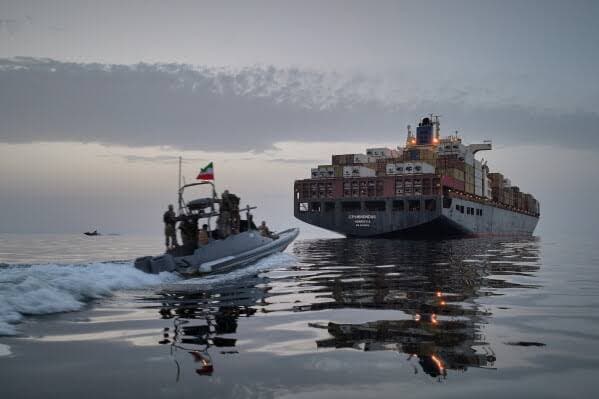
Kpler confirmed 34 vessel crossings through Hormuz on June 30, a sixfold increase over June’s average daily traffic. For chemical procurement professionals, the number signals the first meaningful Gulf supply recovery in months, but sustained movement over the next 48 hours will determine whether true normalization has begun.
ECHA's upcoming SVHC candidate list update could introduce new compliance obligations for pharmaceutical excipient supply chains. Procurement and regulatory teams should prepare monitoring procedures to identify affected substances as soon as new candidate entries are published.

The first week of July marks a critical contracting period for global sucralose buyers. With structural demand rising alongside GLP-1 medication adoption and Chinese producers preparing H2 pricing announcements, procurement decisions made now could influence ingredient costs for the rest of 2026.
We're committed to your privacy. Tradeasia uses the information you provide to us to contact you about our relevant content, products, and services. For more information, check out our privacy policy.