
Polyethylene Terephthalate (PET) CAS: 25038-59-9
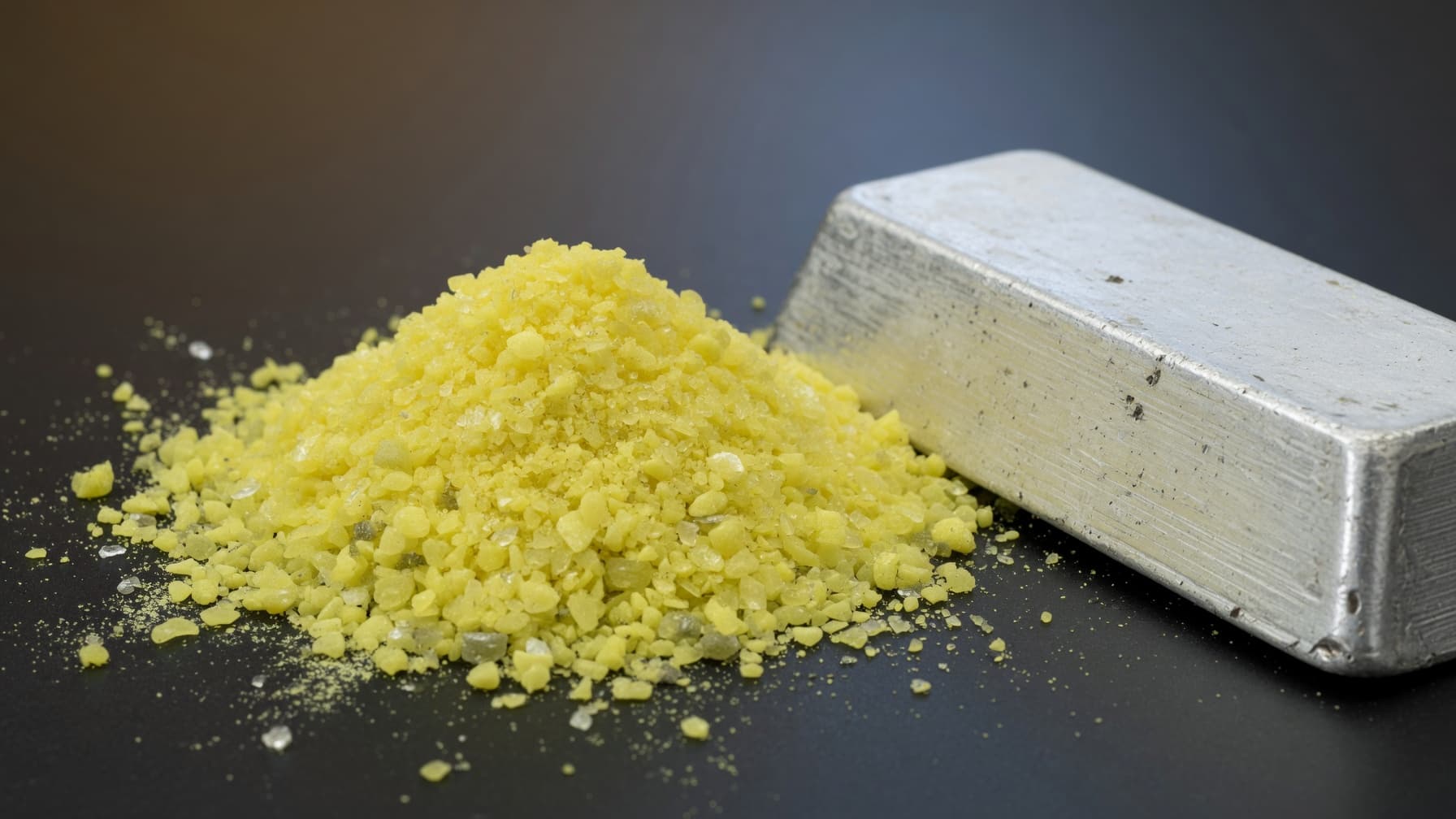
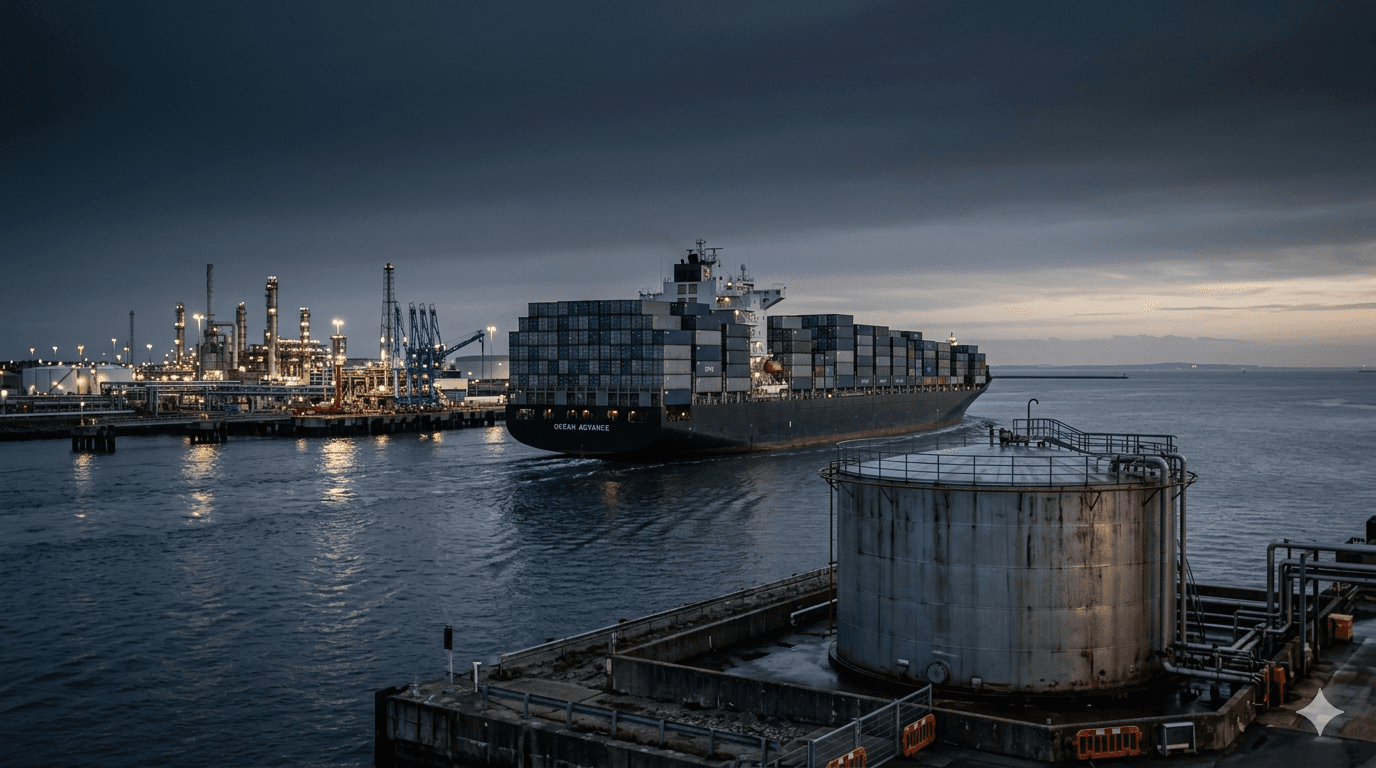
The Strait of Hormuz disruption extends beyond oil markets, affecting sulfur, aluminum, methanol and graphite that support global chemical manufacturing. Procurement teams should reassess sourcing strategies as industrial raw material risks continue to evolve.
India's duty waiver expiry and the return of Gulf convoy shipments have reshaped the caustic soda market across Southeast Asia. Buyers now have multiple sourcing origins for Q3 contracts, making landed cost analysis more important than ever.

The IRGC’s recent strikes on the "Ever Lovely" and "Kiku" tankers expose a stark contradiction between Iran’s foreign ministry and its armed forces. This internal conflict forces global chemical buyers to reassess the safety and legality of sourcing from Iranian petrochemicals amid shifting export waivers and maritime threats.
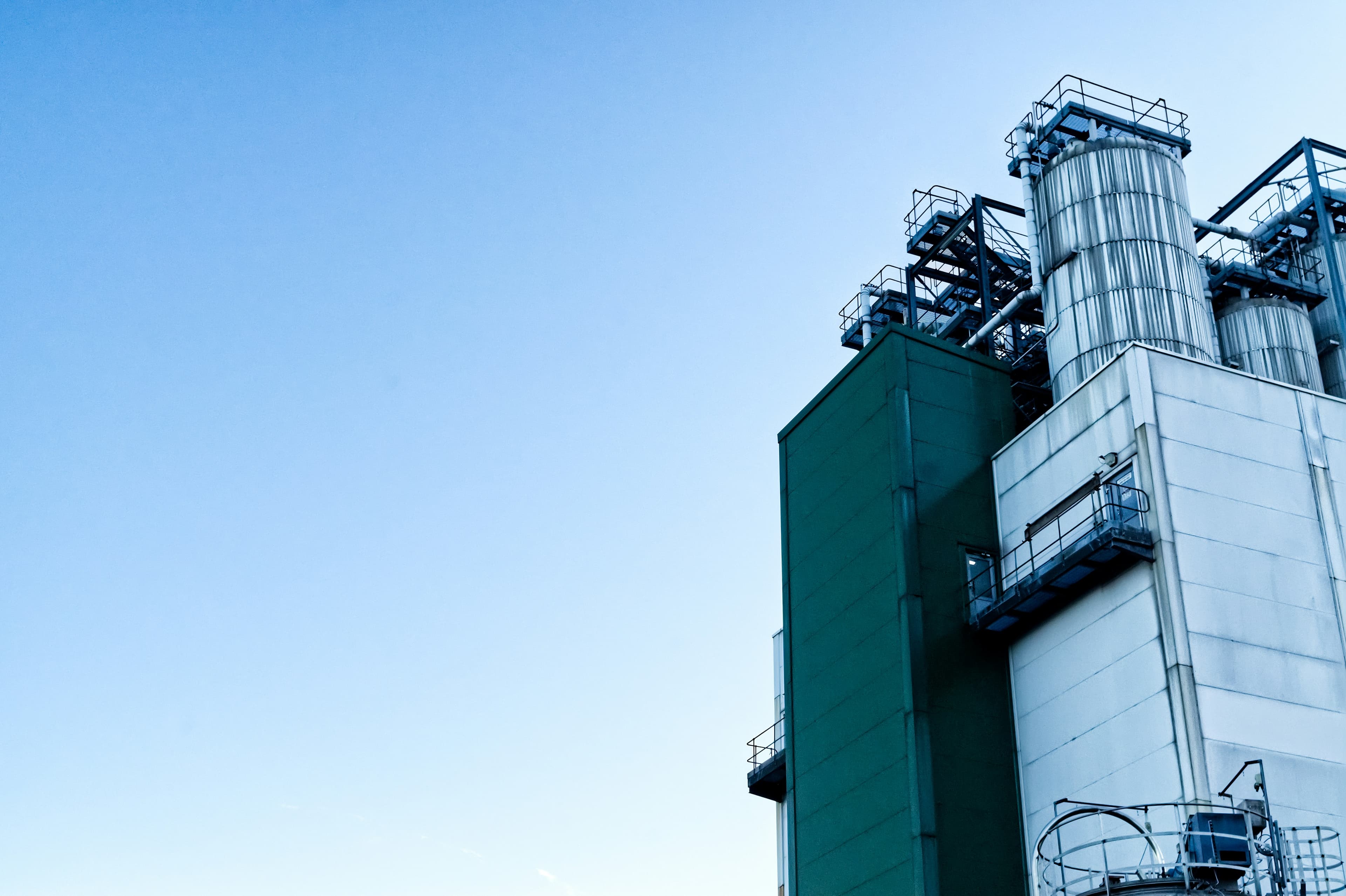
The 2026 Iran War and Hormuz disruption has fundamentally reshaped competitive positioning among the world's top petrochemical companies.
The Hormuz conflict has delayed major green ammonia projects in the UAE, Saudi Arabia, and Oman, forcing global energy markets to reassess hydrogen export timelines. The pace of Gulf recovery will heavily influence green ammonia growth between 2026 and 2030.
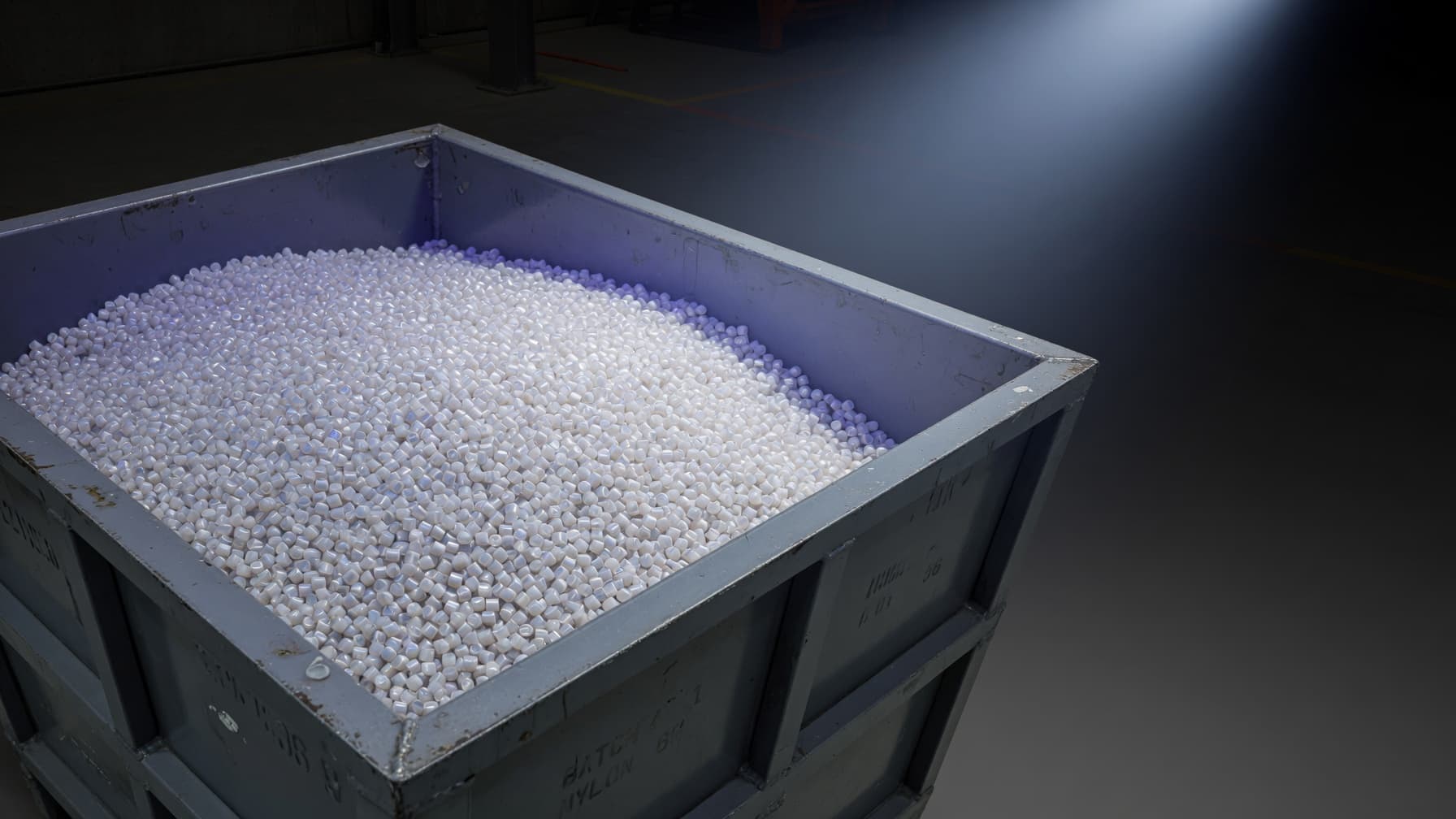
The bankruptcy filing of Ascend Performance Materials marks a major turning point for the Nylon 66 supply chain. Rising Chinese capacity, changing feedstock dynamics and increased global competition are reshaping sourcing strategies for buyers worldwide. Procurement teams should reassess supplier portfolios before market conditions shift again.
We're committed to your privacy. Tradeasia uses the information you provide to us to contact you about our relevant content, products, and services. For more information, check out our privacy policy.