
Introduction
By 2026 the global phosphate supply chain will be under intense pressure from a mix of supply‑side constraints, geopolitical shifts and rising demand for high‑quality fertilizers. The landscape is defined by a limited pool of major phosphate rock producers, the growing influence of OCP Group, and the increasing importance of phosphoric acid intermediates. For procurement professionals, understanding MAP and DAP price dynamics, export restrictions and the evolving role of key players is essential for risk‑managed sourcing.
Phosphate Rock Market – Supply Constraints and Pricing
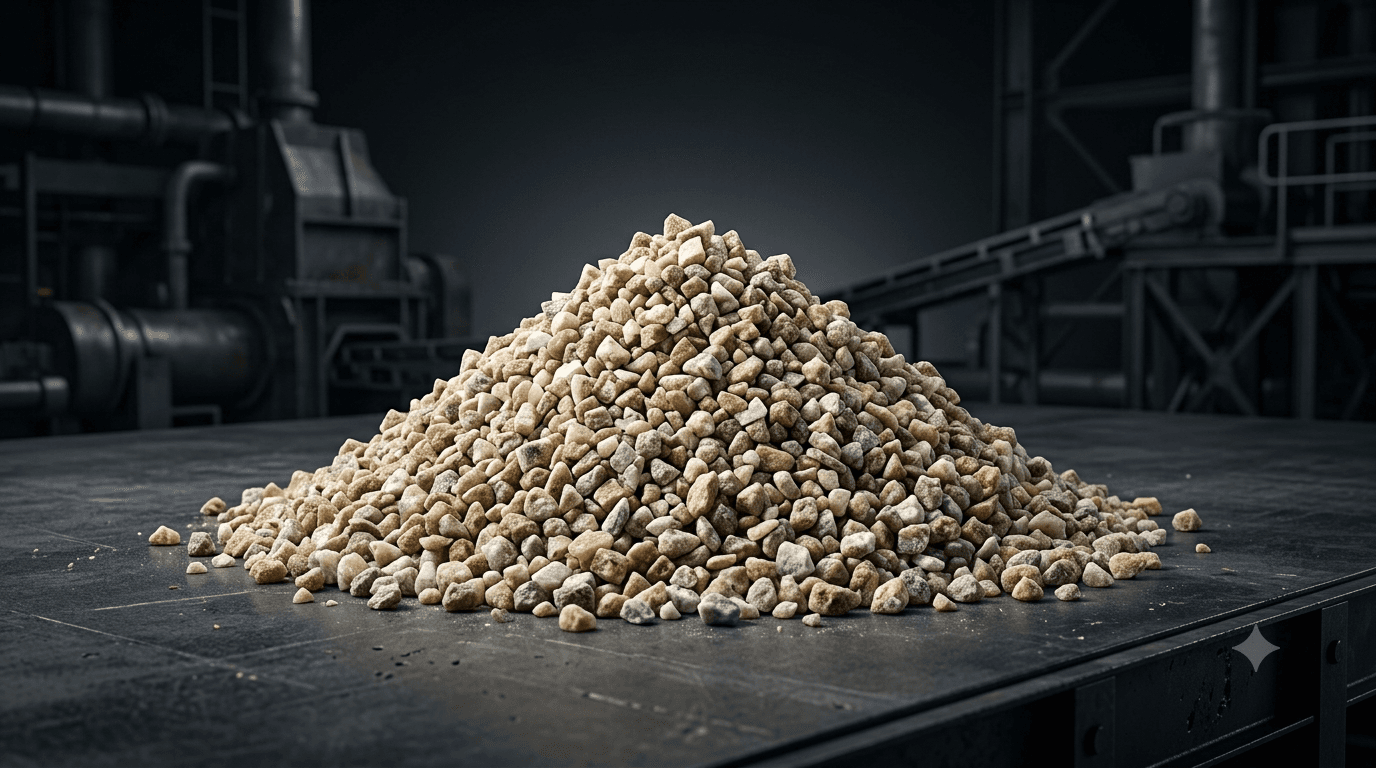
Phosphate rock is the raw material for all phosphate‑based fertilizers. The market has seen a slow decline in new exploration projects, while existing mines face aging infrastructure and increasing environmental compliance costs. In 2026, the global inventory is projected to drop by 4.8%, tightening the market and pushing prices higher.
Key factors driving this trend:
Limited new reserves: Only a handful of countries (Morocco, China, Canada) hold large, high‑grade deposits.
Regulatory tightening: Stricter environmental laws in the EU and the US are curbing export volumes.
Infrastructure bottlenecks: Port congestion in Morocco and the need for rail upgrades in the US are delaying shipments.
Impact on MAP Fertilizer Prices
MAP (MonoAmmonium Phosphate) is the most widely used phosphate fertilizer. Its price is closely tied to phosphate rock availability. In 2025, MAP prices surged 12% YoY; analysts forecast a modest 5% rise in 2026 as the market stabilizes. However, any sudden supply shock—such as a port strike in Morocco—could push MAP prices back up by 8‑10%.
Phosphoric Acid Market – The Middleman Is Shifting
Phosphoric acid, produced from phosphoric rock via the wet process, is a critical intermediate for both MAP and DAP (Diammonium Phosphate). The 2026 outlook shows a 3% growth in global acid demand, driven by higher crop yields in Asia and the EU’s shift to low‑phosphorus soils.
Major dynamics:
Capacity expansion: OCP Group and its partners plan to add 1.2 Mtpa of acid capacity by 2026.
Geopolitical influence: The EU’s new trade policy could restrict acid exports from Morocco, affecting downstream MAP production.
Technology shifts: New low‑energy acid production methods may reduce costs by up to 6% in the next three years.
Effect on DAP Fertilizer Outlook
DAP production is highly sensitive to both acid and ammonia availability. With ammonia prices expected to rise 4% in 2026, DAP margins will tighten despite higher acid demand. The combined effect is a projected 3% increase in DAP prices, but with a narrower profit window for producers.
OCP Group – A Strategic Powerhouse
OCP Group, controlling 48% of the world’s phosphate rock supply, is actively expanding its value chain. By 2026, they will own 60% of the global phosphoric acid market and hold a 20% stake in the EU’s largest MAP plant.
Key moves include:
Vertical integration: Moving from rock mining to acid and MAP production reduces exposure to raw material price swings.
Strategic partnerships: Joint ventures with Chinese acid producers to secure supply for the Asian market.
Export controls: Lobbying for relaxed EU export restrictions to maintain market share.
Export Restrictions and Trade Risks
Export restrictions are a growing concern for phosphate exporters. The EU’s ‘Phosphate Sustainability Directive’ could limit exports from Morocco by 15% if environmental compliance targets are not met. Meanwhile, China’s new tariff regime on imported phosphate rock may raise prices for Asian buyers by 7%.
Procurement strategies should consider:
Diversifying suppliers: Engaging with Canadian and Brazilian mines as alternatives to Moroccan exports.
Long‑term contracts: Locking in prices with fixed‑price agreements to hedge against regulatory shocks.
Local sourcing: Investing in regional acid and MAP production to reduce dependence on imports.

Conclusion – Preparing for a 2026 Landscape
The phosphate supply chain in 2026 will be characterized by tighter margins, shifting market power and heightened regulatory scrutiny. MAP and DAP prices will be influenced by a delicate balance of rock availability, acid production capacity and ammonia costs. OCP Group’s strategic expansions will continue to shape the market, while export restrictions add an extra layer of risk.
Fertilizer procurement teams must adopt a proactive stance: diversify sources, secure long‑term contracts, and invest in local production where possible. By doing so, they can navigate the volatile landscape, protect margins and ensure steady supply for growers worldwide.
Calcium Phosphate (E341(iii)) CAS: 7758-87-4