
Related Insights

Plant-Based Proteins: Why Traceability Is the New Competitive Edge for Ingredient Procurement
As demand for textured soy protein and other plant-based ingredients grows, traceability has become a key requirement for regulatory compliance and supply chain confidence. Procurement teams should strengthen ingredient transparency to protect product quality and market access.

Iranian Sanctions and Chemical Trade Compliance: What the July 10 Sanctions Round Means for Global Chemical Supply Chains
The latest US sanctions targeting Iranian financial networks introduce fresh compliance obligations for chemical traders, importers and exporters. Procurement and trade compliance teams should immediately review supplier, logistics and banking relationships to reduce sanctions exposure.

Electronic Chemicals and the Semiconductor Supply Chain: Congress Tightens Focus on Critical Minerals
Electronic chemicals and specialty gases are now seen as defense‑critical, as a July 2026 CRS report highlighted the risk of Hormuz disruptions to sulfur and rare‑gas supplies. Congress is moving to classify these materials, unlocking federal incentives and reserve mechanisms. Procurement managers must map their portfolios to align with the new security‑of‑supply framework.

India Duty Waiver Expiry: Pharmaceutical Packaging Input Cost Reset in July 2026
India's temporary customs duty waiver on key pharmaceutical packaging polymers expires, reshaping procurement costs for medical packaging manufacturers. Here's what pharmaceutical companies should expect in Q3 2026.
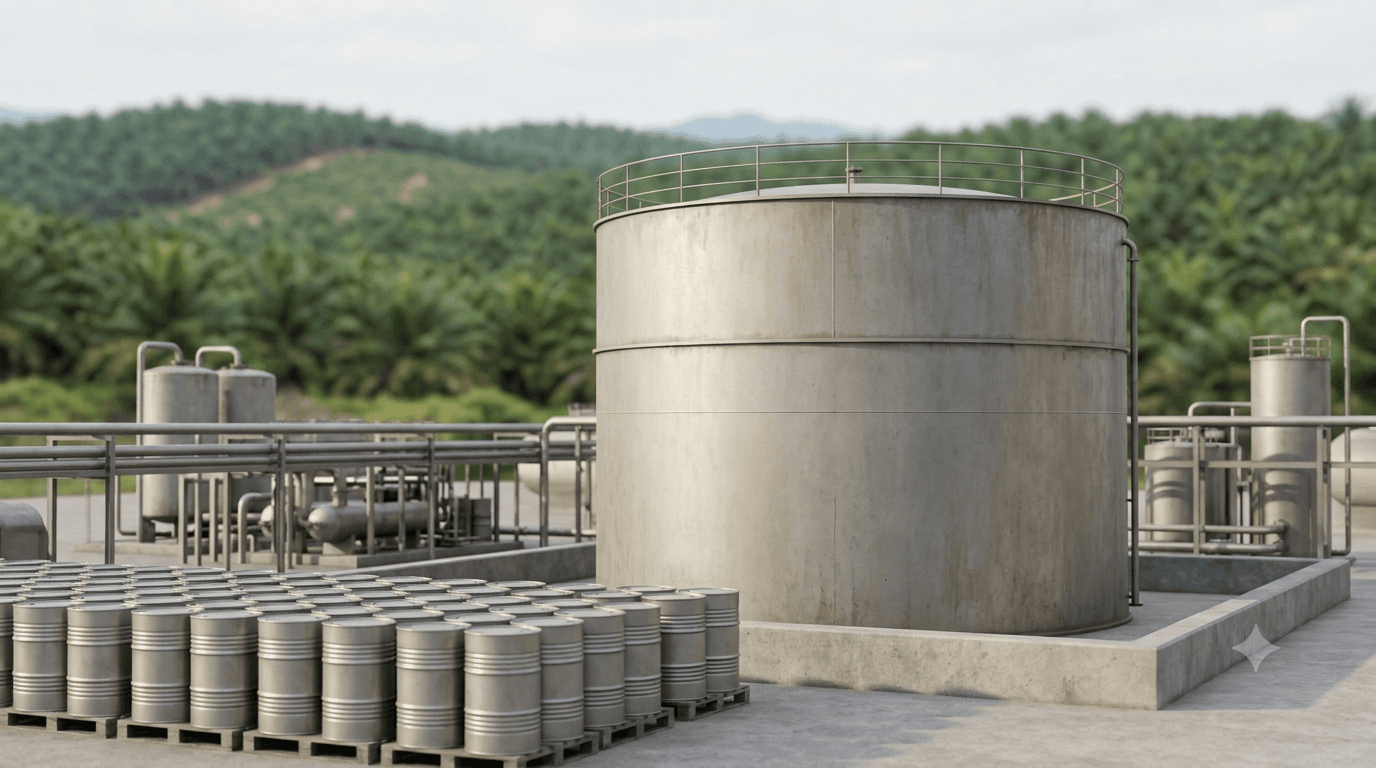
EUDR Enforcement After June 30: What Palm Chemical Buyers Must Do in Early July 2026
After full enforcement of the EU Deforestation‑Free Products Regulation on July 1, 2026, palm‑derived chemical buyers must prove their supply chains are deforestation‑free. This article outlines the key compliance steps for fatty acids, glycerin, oleic acid and CAPB precursors sourced from Indonesia and Malaysia. Learn how to audit, document and secure your EU market access today.

Europe Chemical Watch: Lower Crude, REACH Omnibus, and the VCI's Half‑Year Assessment
The European chemical market enters H2 2026 with Brent crude falling to $72.60, offering temporary input relief amid long‑term capacity cuts. REACH Omnibus moves through Parliament, while the VCI’s German outlook signals further contraction. CBAM Q2 reporting looms on July 15, demanding swift emissions data collection.
Don't miss out on our updates! Subscribe to our newsletter now
We're committed to your privacy. Tradeasia uses the information you provide to us to contact you about our relevant content, products, and services. For more information, check out our privacy policy.