Top Exporting Countries for Chemicals 2026: China's Share Grows Amid EU Trade Tensions
Introduction
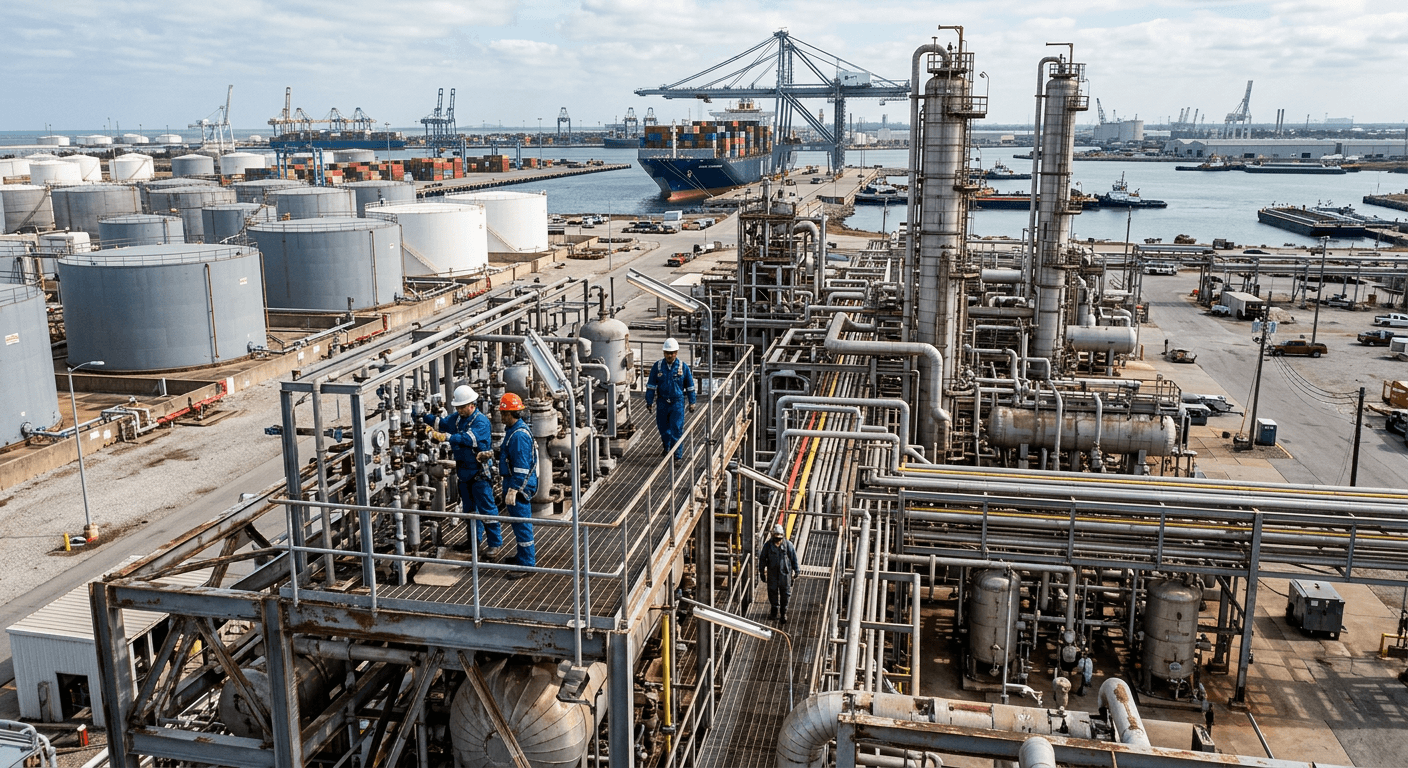
The global chemical industry remains one of the largest and most interconnected sectors in international trade. Chemicals serve as essential inputs for industries ranging from agriculture and healthcare to automotive manufacturing, electronics, construction, and consumer goods. In 2026, global chemical trade continues to evolve as geopolitical developments, shifting supply chains, and changing economic policies reshape international commerce.
One of the most significant developments this year is China's growing share of global chemical exports. While European producers face increasing trade pressures, energy costs, and regulatory challenges, Chinese manufacturers are expanding their presence across global markets. At the same time, ongoing trade tensions between China and the European Union are creating new opportunities and risks for chemical exporters worldwide.
This article explores the leading chemical-exporting countries in 2026, the factors driving China's export growth, and the implications of rising EU-China trade tensions for the global chemical industry.
Global Chemical Trade in 2026
Chemical products represent a major segment of world merchandise trade. These exports include:
Petrochemicals
Specialty chemicals
Industrial chemicals
Agricultural chemicals
Pharmaceuticals and intermediates
Polymers and plastics
Electronic chemicals
Advanced materials
Several trends are influencing chemical trade flows in 2026:
Supply chain diversification
Rising geopolitical uncertainty
Growing demand from emerging economies
Sustainability regulations
Energy price volatility
Regional manufacturing expansion
Despite these challenges, global demand for chemicals continues to increase, particularly in Asia-Pacific, Africa, and Latin America.
Top Exporting Countries for Chemicals in 2026
1. China
China remains the world's largest chemical exporter and continues to increase its global market share.
Why China Leads
Massive manufacturing capacity
Integrated industrial supply chains
Competitive production costs
Government support for industrial development
Growing investments in specialty chemicals
Chinese chemical producers have expanded exports across Asia, the Middle East, Africa, and Latin America, helping offset slower demand in some Western markets.
2. Germany
Germany remains Europe's largest chemical exporter and a global leader in specialty and industrial chemicals.
Key Strengths
Advanced manufacturing capabilities
Strong research and development ecosystem
High-quality specialty chemical products
Global industrial customer base
However, higher energy costs and increasing regulatory requirements continue to challenge German producers.
3. United States
The United States maintains a strong position in global chemical exports, supported by abundant shale gas resources and advanced manufacturing technologies.
Key Strengths
Low-cost feedstock availability
Strong petrochemical industry
Innovation leadership
Diversified export markets
American producers continue expanding exports of polymers, specialty chemicals, and industrial materials.
4. Netherlands
The Netherlands remains a major chemical export hub due to its strategic logistics infrastructure and access to European markets.
Key Strengths
World-class ports and logistics
Strong petrochemical industry
Gateway to European trade
Integrated supply chains
5. South Korea
South Korea has strengthened its role as a leading exporter of petrochemicals, electronic chemicals, and advanced materials.
Key Strengths
Strong electronics industry integration
Advanced chemical technologies
High-value export products
Competitive manufacturing base
6. Japan
Japan continues to focus on exporting specialty chemicals and advanced materials for high-tech industries.
Key Strengths
Innovation-driven production
Electronics and semiconductor expertise
High-quality specialty products
Global industrial partnerships
7. Belgium
Belgium remains one of Europe's most important chemical exporting nations.
Key Strengths
Strong petrochemical infrastructure
Strategic location
Integrated European supply chains
Major port facilities
8. Saudi Arabia
Saudi Arabia continues expanding chemical exports through large-scale petrochemical investments.
Key Strengths
Competitive feedstock costs
Integrated refining and petrochemical operations
Government-backed industrial strategy
Growing export capacity
9. India
India is emerging as a significant global chemical exporter due to rapid industrial growth and manufacturing expansion.
Key Strengths
Expanding production capacity
Competitive labor costs
Growing specialty chemical sector
Strong domestic demand base
10. Singapore
Singapore remains a key chemical trading and manufacturing hub in Asia.
Key Strengths
Strategic location
Advanced refining infrastructure
Strong logistics network
Business-friendly environment
China's Growing Export Share
China's chemical export growth in 2026 can be attributed to several factors.
Scale and Capacity
Chinese producers continue expanding production capacity across petrochemicals, specialty chemicals, and industrial materials.
Supply Chain Integration
Integrated domestic supply chains reduce costs and improve manufacturing efficiency.
Investment in Specialty Chemicals
Chinese companies are increasingly moving beyond commodity chemicals into higher-value products.
Emerging Market Demand
Exports to Southeast Asia, Africa, the Middle East, and Latin America continue growing rapidly.
Technological Advancements
Investments in automation, digital manufacturing, and research capabilities are improving competitiveness.
EU Trade Tensions and Their Impact
Trade tensions between China and the European Union have become a defining factor in the 2026 chemical market.
Key Areas of Concern
Anti-dumping investigations
Tariff disputes
Industrial subsidy concerns
Environmental compliance requirements
Strategic supply chain security
European policymakers are increasingly focused on protecting domestic industries while reducing dependence on foreign supply chains.
Effects on Chemical Trade
The trade environment is creating several outcomes:
Increased compliance costs
Greater supply chain diversification
Regional sourcing strategies
New trade partnerships
Investment shifts toward local production
Despite these tensions, trade between China and Europe remains substantial due to the deep integration of global manufacturing networks.
Emerging Trends in Global Chemical Exports
Regional Manufacturing Growth
Countries are investing in local production capabilities to improve supply chain resilience.
Specialty Chemicals Expansion
High-value specialty products are becoming increasingly important in global trade.
Sustainability Requirements
Environmental regulations are influencing production decisions and export competitiveness.
Digital Supply Chains
Technology is improving logistics visibility and operational efficiency across international markets.
Green Chemistry Investments
Producers are investing in low-carbon manufacturing processes to meet customer and regulatory expectations.
Future Outlook
Global chemical exports are expected to continue growing over the coming years, although trade patterns may become increasingly regionalized. Companies and countries that successfully balance cost competitiveness, sustainability, innovation, and supply chain resilience will likely gain market share.
China is expected to remain a dominant exporter, but increasing trade tensions and diversification efforts may create opportunities for countries such as India, Saudi Arabia, Vietnam, and other emerging manufacturing centers.
Conclusion
The global chemical export landscape in 2026 reflects a changing balance of economic power. China continues expanding its share of international chemical trade, supported by scale, efficiency, and growing technological capabilities. At the same time, ongoing EU trade tensions are reshaping supply chains and encouraging diversification across the industry.
As governments and companies adapt to evolving geopolitical realities, the future of chemical trade will increasingly depend on resilience, innovation, sustainability, and strategic market positioning.
Mono Propylene Glycol (E1520) CAS: 57-55-6