DL-Methionine Market 2026: Sulfur Disruption, Poultry Demand and Evonik's Position
Overview
DL-methionine is one of the most important amino acid supplements used in animal nutrition. As the primary sulfur-containing amino acid added to poultry and swine feed, it plays a critical role in improving growth performance, feed efficiency, and overall animal health. With global meat consumption continuing to rise, particularly in developing economies, methionine remains an essential component of modern livestock production.
What Is DL-Methionine?
DL-methionine is a synthetic form of the essential amino acid methionine. Since poultry and swine cannot produce sufficient methionine naturally, supplementation is required to achieve optimal growth and feed conversion.
Key benefits include:
Improved feed efficiency
Faster weight gain in poultry
Enhanced protein synthesis
Better animal health and productivity
Reduced feed costs per unit of meat production
The poultry industry accounts for the majority of global methionine consumption.
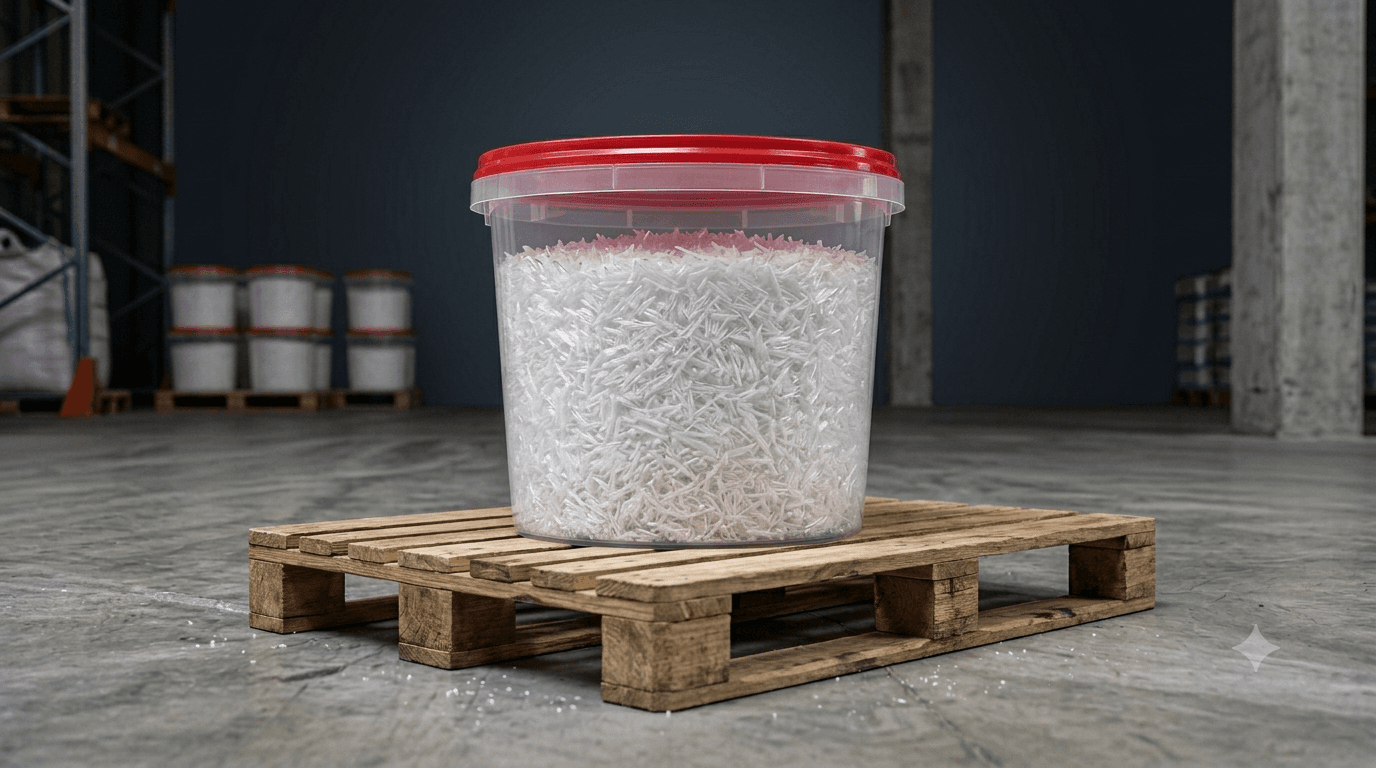
DL-Methionine (99% Powder) CAS: 59-51-8
Production Process
Commercial DL-methionine is manufactured through a chemical synthesis process using:
Methanol
Hydrogen sulfide (H₂S)
Acrolein
Various catalytic intermediates
Because sulfur-containing feedstocks are essential to production, methionine manufacturers are highly sensitive to sulfur market fluctuations.
The Sulfur Price Shock
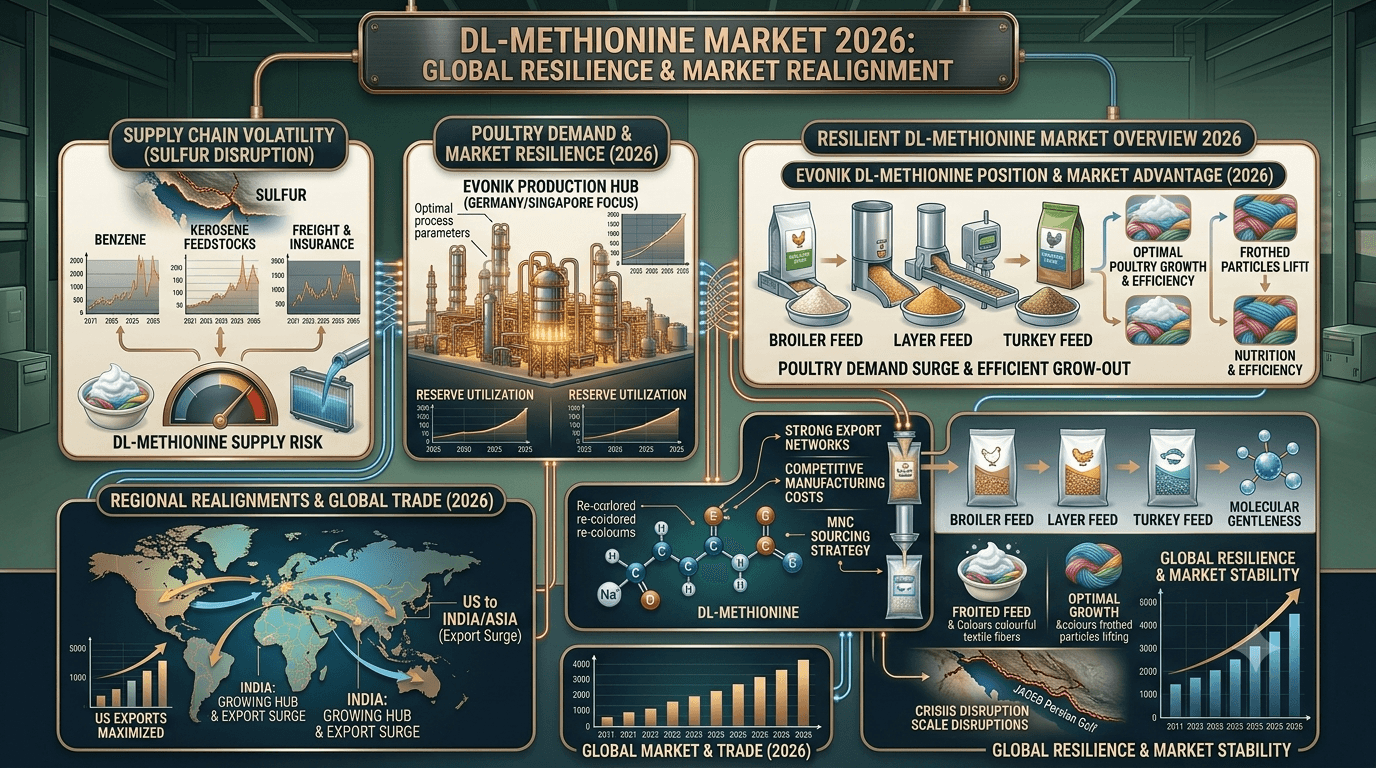
One of the most significant developments affecting the methionine market has been the dramatic increase in sulfur prices. By January 2026, sulfur prices had risen approximately 600% compared with levels seen two years earlier.
The consequences included:
Higher production costs
Reduced manufacturing margins
Increased feed additive prices
Greater volatility in amino acid markets
Supply chain uncertainty for feed producers
Since sulfur is a core raw material in methionine synthesis, price increases quickly translate into higher production costs throughout the value chain.

Impact of the Hormuz Crisis
The 2026 Hormuz disruption intensified existing sulfur market pressures.
Key effects included:
Reduced availability of Middle Eastern sulfur exports
Increased freight and insurance costs
Longer delivery times for feedstock shipments
Additional cost pressure on methionine manufacturers
Greater procurement challenges for global buyers
The Middle East remains one of the world's most important sulfur-producing regions due to its large refining and natural gas processing industries. Any disruption in the region directly affects global sulfur-dependent chemical sectors.

Major Global Producers
The global methionine market is highly concentrated, with four companies accounting for a significant share of production capacity:
Evonik Industries
Sumitomo Chemical
Novus International
CJ CheilJedang
This concentrated market structure means production disruptions or capacity changes by major suppliers can significantly influence global pricing.
Evonik's Market Position
Among global producers, Evonik remains one of the most influential participants in the methionine industry.
Its strengths include:
Global production footprint
Advanced feed additive technologies
Strong relationships with major feed manufacturers
Extensive distribution network
Significant research and development capabilities
Evonik's production facilities and international supply chain position it as a key supplier during periods of market volatility.
Key Trading Origins
On international B2B chemical trading platforms, the two most active origins for DL-methionine 99% powder are:
China
Chinese exports are largely associated with operations linked to Bluestar Adisseo, one of the world's major methionine suppliers.
Singapore
Singapore serves as an important export hub for Evonik-produced methionine products supplying Asian and global markets.
These origins play a crucial role in serving feed manufacturers across Asia, Africa, and Latin America.
Poultry Demand Remains Strong
Despite rising production costs, long-term methionine demand remains supported by growth in poultry production.
Major demand drivers include:
Rising global protein consumption
Population growth
Expanding poultry industries in Asia
Increasing meat demand in Africa
Improved livestock nutrition practices
Greater focus on feed efficiency
Poultry producers continue to prioritize methionine supplementation because it improves feed conversion ratios and lowers overall production costs.
Market Outlook
The DL-methionine market in 2026 is being shaped by two competing forces: rising sulfur-related production costs and strong demand from the global poultry sector. While feedstock volatility may continue to pressure manufacturers, growing consumption of poultry and animal protein across emerging markets is expected to support long-term market growth. Companies with secure sulfur sourcing, efficient production systems, and strong global distribution networks are likely to maintain a competitive advantage.
Key Takeaways
DL-methionine is a critical amino acid supplement for poultry and swine feed.
Production depends heavily on sulfur-based feedstocks.
Sulfur prices increased dramatically leading into 2026, raising production costs.
The Hormuz crisis further disrupted sulfur supply chains.
The market is dominated by Evonik, Sumitomo Chemical, Novus International, and CJ CheilJedang.
China and Singapore are major export origins for DL-methionine 99% powder.
Growing poultry demand in Asia and Africa continues to support long-term market growth.