


Related Insights
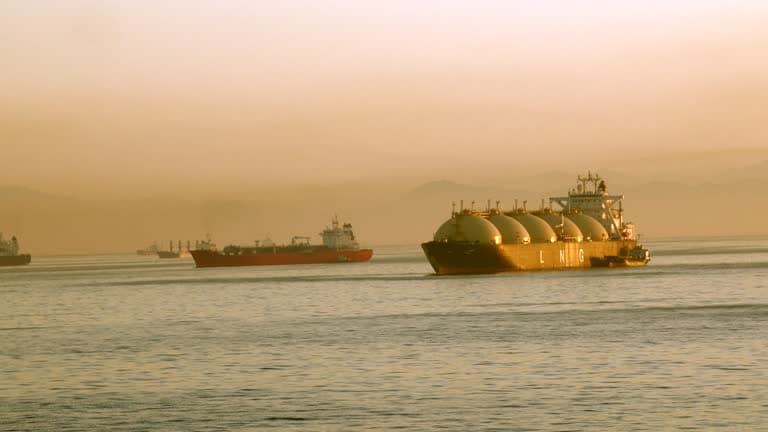
Insurance Withdrawal, Not Physical Blockade, Is What Actually Stops Hormuz Shipping
Insurance withdrawals can halt shipping through the Strait of Hormuz faster than any physical blockade. When insurers pull war‑risk coverage, tanker and chemical cargoes face costly delays, forcing operators to seek alternative routes or pay premium rates.
Hormuz Index at 90: Why Supply Chain Risk Remains Elevated Despite Convoy Operations
The recent improvement in convoy operations through the Strait of Hormuz has lowered the Hormuz Index, yet it remains alarmingly high at 90. Supply chain risk is still significant because factors beyond vessel movements—such as geopolitical tensions, port constraints, origination volatility, and cybersecurity threats—continue to loom. Chemical procurement teams must broaden their monitoring scope to stay ahead of these risks.
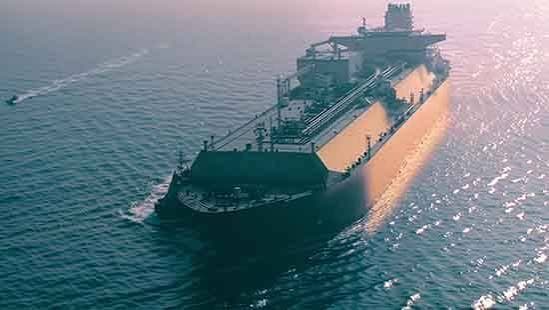
IMO's 49 Incidents: The Definitive Safety Record and What It Means for Chemical Tanker Risk
The International Maritime Organization has confirmed 49 security incidents across Hormuz and the Persian Gulf as of June 30, creating the most comprehensive official risk dataset of the 2026 shipping crisis. For chemical tanker operators and cargo buyers, this record now defines insurance underwriting and shipping risk calculations for H2 2026.
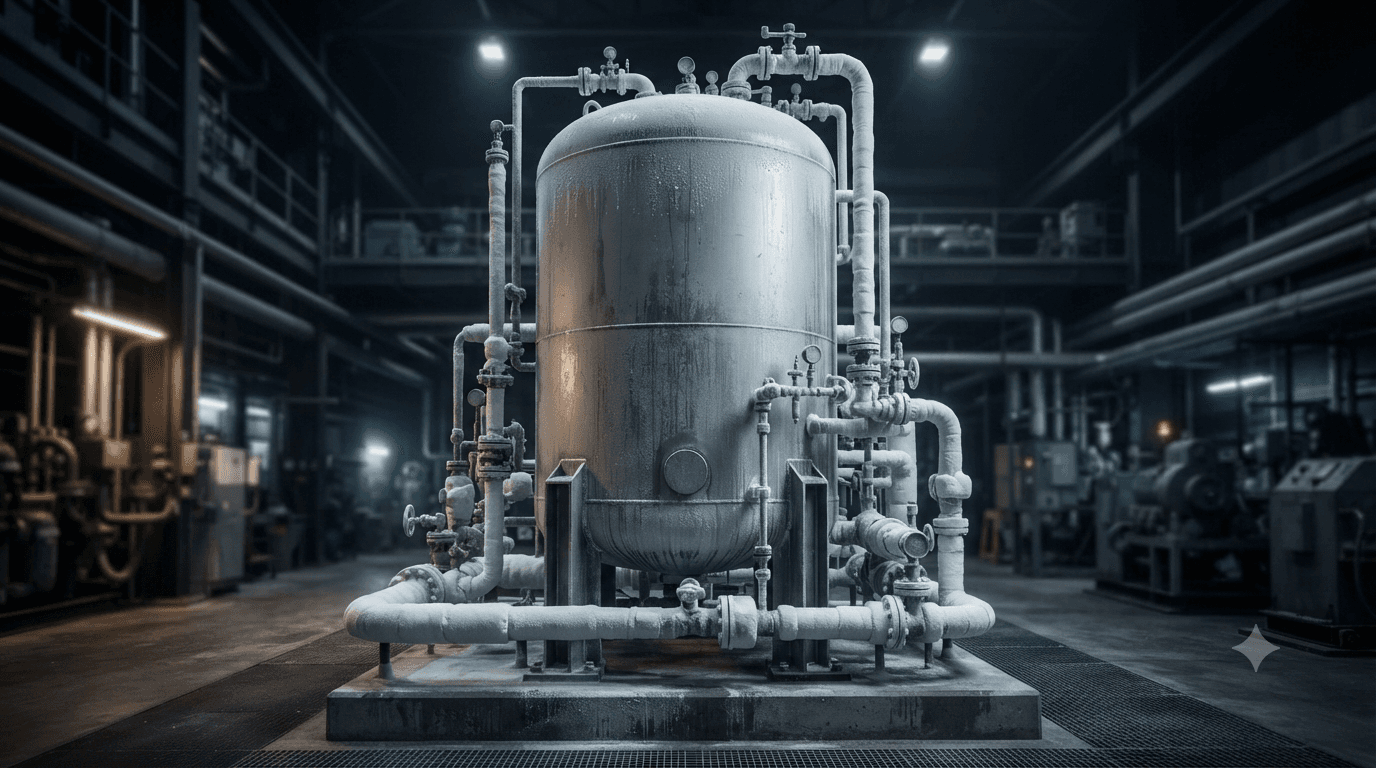
Ras Laffan Attack Damage and the 3 to 5 Year Impact on Pharmaceutical Helium Supply
Damage at Qatar's Ras Laffan Industrial City could reshape the pharmaceutical helium market for years. Procurement teams should prepare for tighter supply, higher sourcing risks and changing global trade patterns.
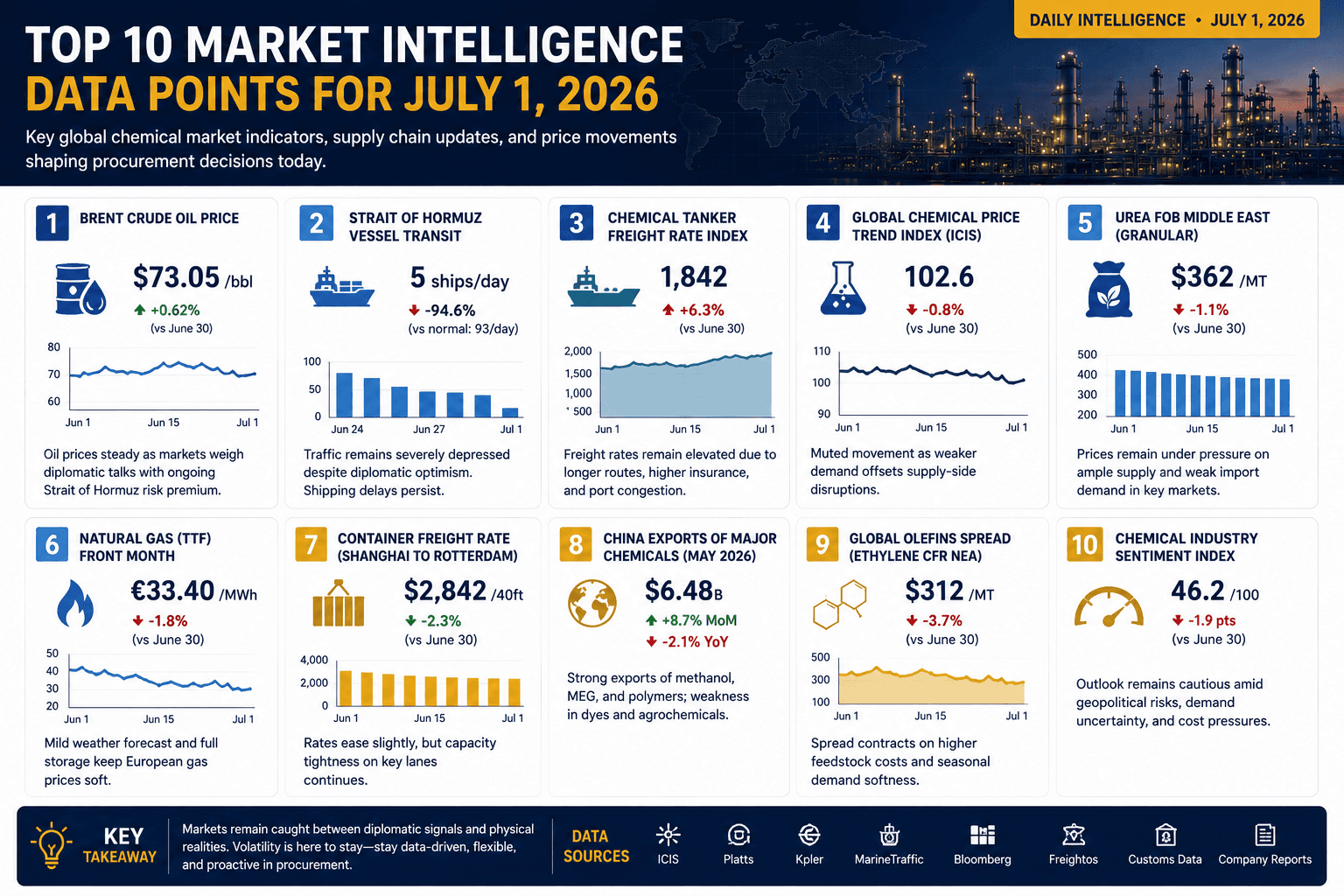
Top 10 Market Intelligence Data Points for July 1, 2026
July 1 begins H2 2026 with conflicting market signals for chemical procurement professionals. While oil prices remain stable and diplomacy improves, shipping disruption, insurance risk, new regulations, and supply chain bottlenecks continue shaping one of the most complex operating environments the chemical industry has faced all year.
Strait of Hormuz Supply Risk: What Chemical Buyers Should Do Amid Iran Talks Uncertainty
Conflicting statements about Iran negotiations create uncertainty for global chemical procurement teams. The latest Strait of Hormuz supply signals show why buyers should rely on verified logistics data instead of political headlines.
Don't miss out on our updates! Subscribe to our newsletter now
We're committed to your privacy. Tradeasia uses the information you provide to us to contact you about our relevant content, products, and services. For more information, check out our privacy policy.