
Related Insights

Rupee Depreciation Reshapes Indian Chemical Export Logistics Economics
When the rupee weakens, Indian chemical exporters face higher freight costs, altered procurement choices, and shifting trade dynamics. This article explores how currency swings influence logistics, competitiveness, and international shipping strategies, offering insight into adapting to a volatile economic landscape.

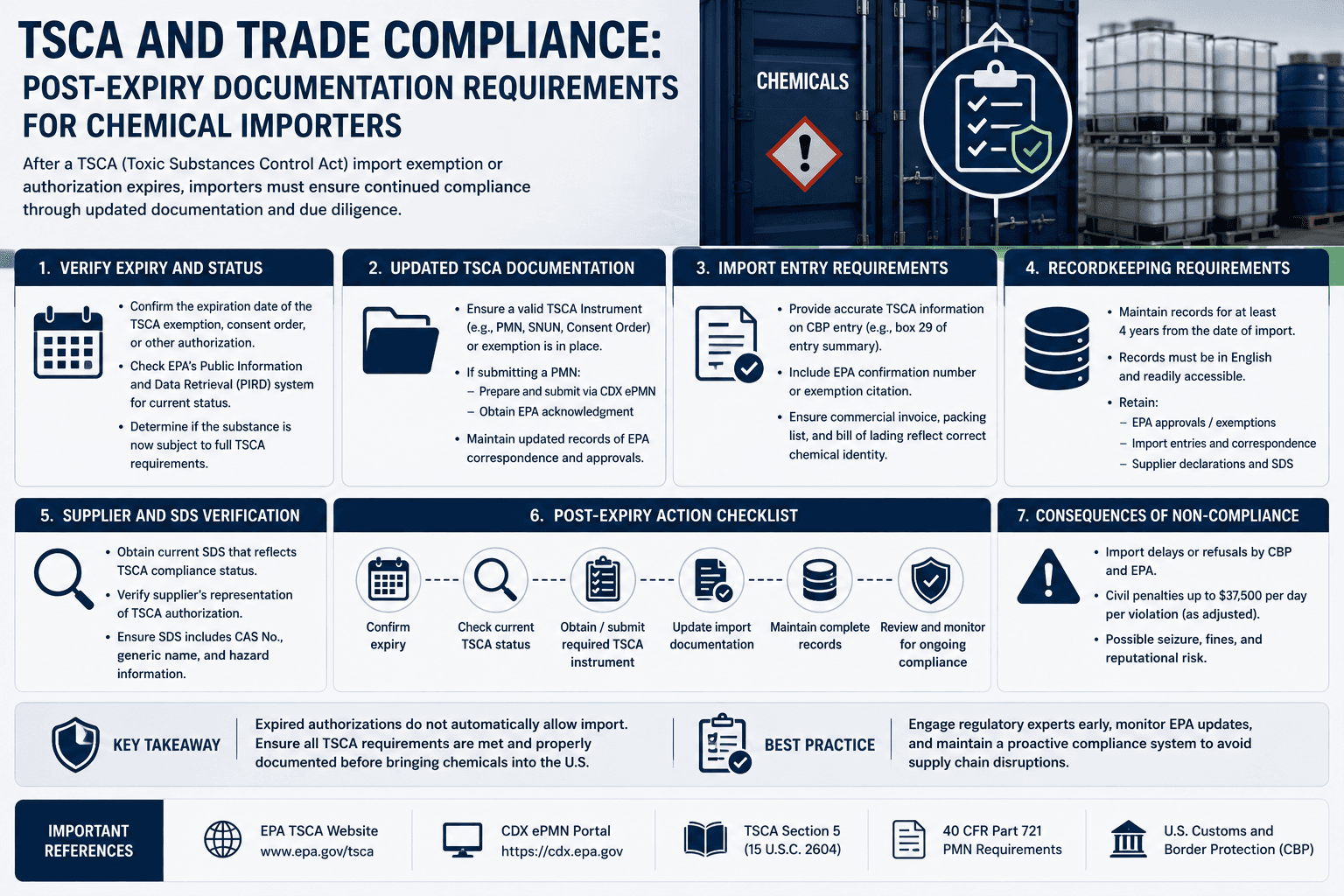
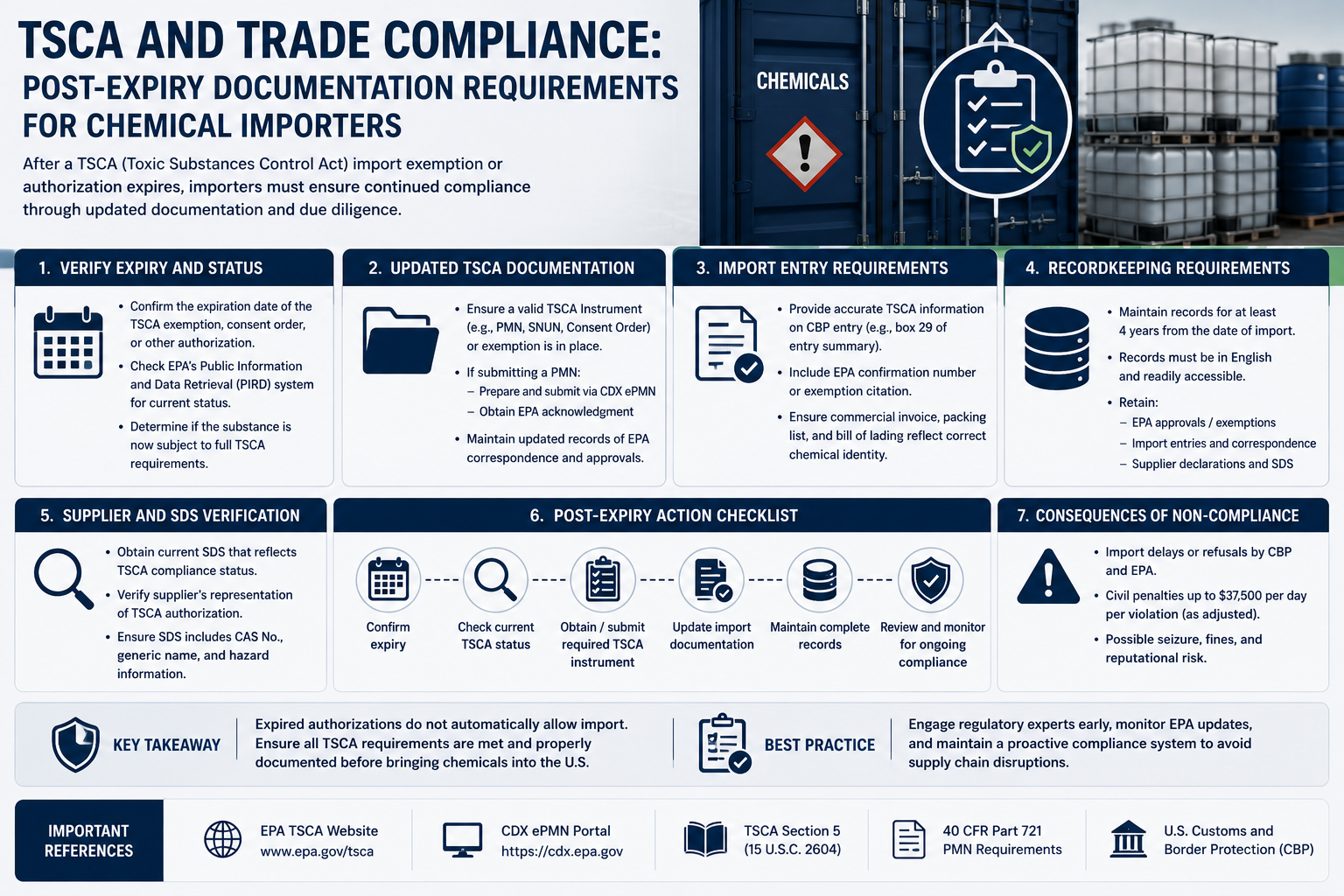
PFAS Post-Hearing: Building Your July 20 Comment Strategy
The EPA's PFAS public hearing has concluded, but the written comment period remains open until July 20. For chemical procurement professionals, well-supported written submissions can have a greater influence on the rulemaking record than hearing testimony alone.

PFAS in TSCA Section 8(a)(7) Reporting: The October 13 Deadline and Who It Affects
TSCA Section 8(a)(7) establishes reporting obligations for manufacturers and importers of PFAS, including many importers of PFAS-containing chemicals. Understanding the October 13 reporting deadline and determining whether your business is covered are critical compliance priorities.

REACH Registration Data: What's Available and How Buyers Can Access It
The ECHA REACH registration database is one of the most valuable compliance resources for chemical buyers supplying into the EU. Understanding what information is publicly available can help procurement teams verify registrations, assess supplier compliance and reduce regulatory risk.

The EU Green Deal's Chemical Strategy for Sustainability: What Has Been Retained and What Has Changed
The EU's Chemicals Strategy for Sustainability remains an important foundation for chemical regulation, but implementation has evolved alongside newer competitiveness initiatives. Here's what procurement professionals should understand for compliance planning in the second half of 2026.
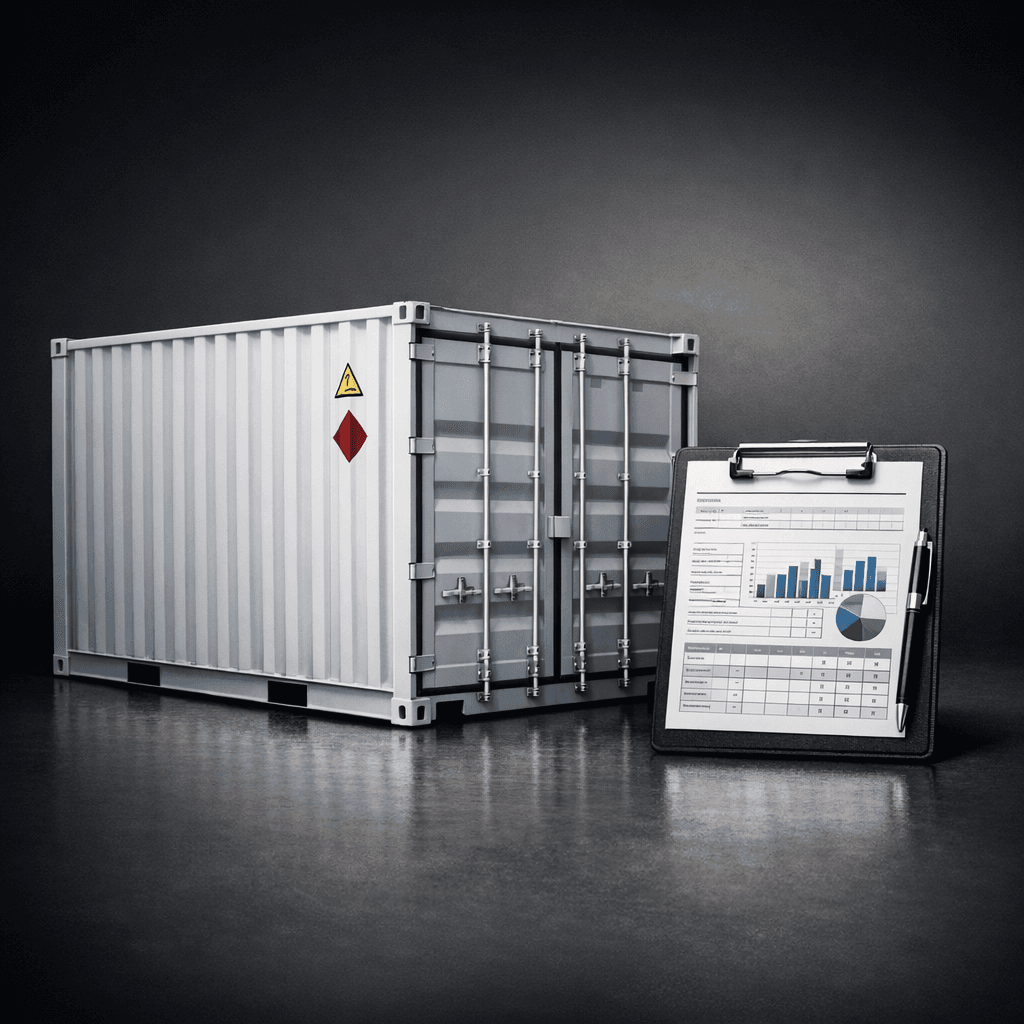
Carbon Border Adjustment Mechanism: What Chemical Exporters Must Report During the Transitional Phase
The EU Carbon Border Adjustment Mechanism introduces new reporting responsibilities for importers and their non-EU suppliers. This guide explains which products are covered, what emissions data must be collected and how procurement teams can prepare for CBAM compliance.
Don't miss out on our updates! Subscribe to our newsletter now
We're committed to your privacy. Tradeasia uses the information you provide to us to contact you about our relevant content, products, and services. For more information, check out our privacy policy.