The early months of 2026 saw a seismic shift in the lithium market when Zimbabwe abruptly suspended its lithium exports. This move sent prices soaring worldwide, shaking the foundations of battery chemistry supply chains. In this article, we dissect the causes, market dynamics, and practical implications for chemical traders and procurement managers. Through a detailed analysis of supply gaps, price drivers, and geopolitical undercurrents, you will gain a clear roadmap to adjust sourcing strategies and mitigate risk in the coming months.
What Is Lithium and Why It Matters to Chemical Traders
Lithium, a soft, silvery metal, is the cornerstone of modern battery technology. Its high electrochemical potential and low weight make it indispensable for lithium-ion batteries used in electric vehicles, consumer electronics, and energy storage systems. For chemical traders, lithium is not just a raw material; it is a critical commodity that dictates the cost structure of entire supply chains.
Global Market Size and Demand in 2026
By 2026, the global lithium market is projected to reach an estimated value of USD 10.2 billion, up from USD 7.8 billion in 2025. Demand growth is driven primarily by the automotive sector, which accounts for 45 % of total consumption, followed by consumer electronics (30 %) and industrial energy storage (25 %). This demand surge has outpaced production growth, creating a tight supply environment.
AI Image Prompt: "Photorealistic industrial image of a lithium mine extraction site with conveyor belts and processing towers in a sunny landscape. No text, no labels, photorealistic, ultra HD."
Key Price Drivers and Market Forces Right Now
Several factors conspire to keep lithium prices elevated:
- Supply Disruptions: Zimbabwe’s export halt removed a key source, tightening global inventories.
- Rapid EV Adoption: Automakers are scaling up battery production, amplifying demand.
- Regulatory Push: European and U.S. governments are mandating higher battery capacities, driving lithium usage.
- Currency Volatility: Fluctuations in the Zimbabwean dollar have increased export costs for other producers.
- Logistics Constraints: Port congestion and shipping cost spikes add to procurement expenses.
Top Producing or Exporting Countries
While Zimbabwe’s suspension has reshuffled the hierarchy, leading producers remain:
- Chile – continues to dominate with 35 % of global output.
- Australia – accounts for 22 % and supplies most of the high-grade lithium.
- China – contributes 18 % and has an expanding domestic mining footprint.
- Argentina – rising production shares 12 % of the market.
- United States – emerging lithium projects add 10 %.
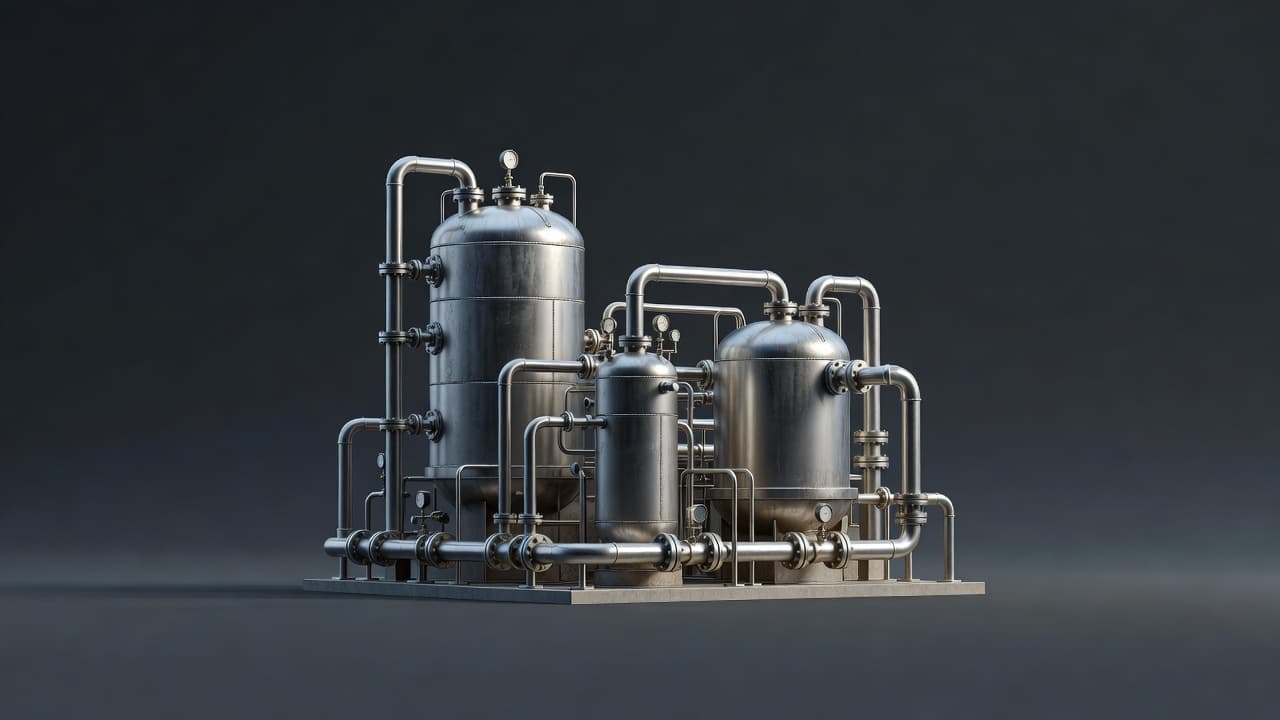
AI Image Prompt: "Photorealistic industrial image of a lithium processing plant with stainless steel tanks and control panels, sunlight filtering through a glass roof. No text, no labels, photorealistic, ultra HD."
Applications and Who Buys This
Key buyers of lithium include:
- Automotive OEMs: Tesla, BYD, Hyundai, and others.
- Battery Manufacturers: CATL, LG Chem, Panasonic.
- Consumer Electronics: Apple, Samsung, and laptop producers.
- Industrial Energy Storage Providers: Siemens Gamesa, ABB.
These buyers often lock in long-term contracts, but the current volatility demands flexible sourcing strategies.
Risks, Challenges or Regulatory Issues
Traders face several challenges amid the price surge:
- Supply Chain Uncertainty: Sudden policy shifts in mining countries can halt exports.
- Quality Variability: Lower-grade lithium from new sources may require additional processing.
- Regulatory Compliance: Export restrictions in the EU and US can limit market access.
- Environmental Concerns: Water usage and waste disposal regulations tighten operating costs.
AI Image Prompt: "Photorealistic industrial image of a lithium battery manufacturing line with automated assembly robots and safety signage. No text, no labels, photorealistic, ultra HD."
Outlook for 2027 and Beyond
Looking forward, the lithium market is expected to stabilize as new projects in the United States and Canada come online. However, geopolitical tensions and climate policies may introduce new supply shocks. Demand is projected to grow by 12 % annually through 2030, driven largely by electric vehicle expansion.
What Buyers Should Do Now
To navigate the current volatility, procurement teams should: secure diversified supply contracts, invest in inventory buffers, and monitor geopolitical developments closely. Consider alternative battery chemistries to reduce dependency on lithium.
Looking to source lithium? Explore verified global suppliers on our platform.