


Related Insights
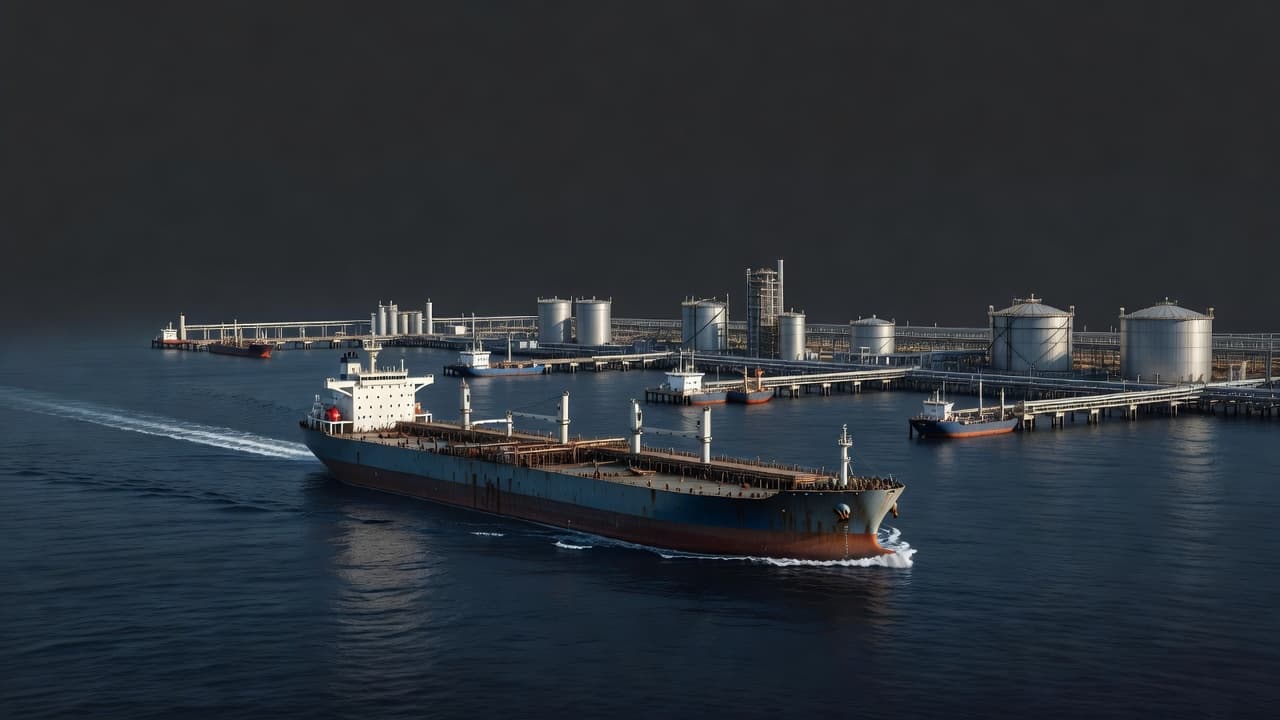
Energy Policy Whiplash: What Wright's "Hormuz Tolls Are Off the Table" Comment Means for Chemical Trade
Recent comments from Energy Secretary Wright indicating that Hormuz tolls are no longer under consideration have introduced a new policy signal for global energy and chemical markets. Procurement and compliance teams should understand how changing policy direction can influence logistics planning, freight costs and sourcing strategies.
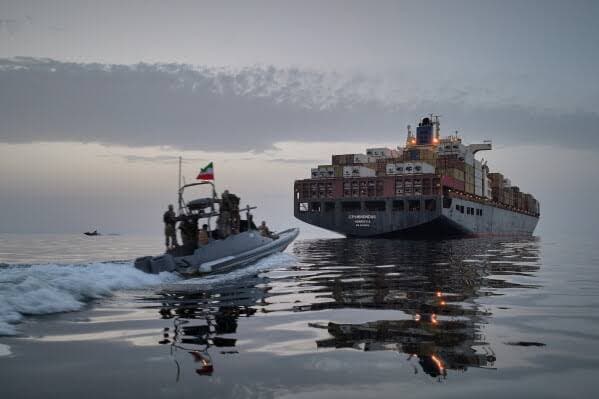
Kpler's 34: What Six Times More Vessel Crossings in One Day Actually Means for Chemical Supply
Kpler confirmed 34 vessel crossings through Hormuz on June 30, a sixfold increase over June’s average daily traffic. For chemical procurement professionals, the number signals the first meaningful Gulf supply recovery in months, but sustained movement over the next 48 hours will determine whether true normalization has begun.

Methanol Supply Update: What AIS Shipping Data Means for Q3 Buyers
Methanol supply has remained active through recent Gulf disruptions, with AIS vessel tracking showing continued commercial movement. Buyers should separate headline risk from physical flow data when planning Q3 procurement.

Pharmaceutical Solvents: H1 Closing Review and H2 Procurement Window
Pharmaceutical solvent markets are entering H2 2026 with improving feedstock economics and stabilizing crude oil prices. This creates an ideal procurement window for pharmaceutical manufacturers to secure long-term solvent supply agreements before potential market volatility returns.

Brent Crude at $72.60: How Lower Oil Prices Are Changing Chemical Feedstock Costs
Brent crude has fallen below its pre-conflict level, creating a potential cost reset for chemical feedstocks. This analysis explains how lower crude prices may influence naphtha, olefins and commodity chemical pricing in Q3 2026.

India Petrochemical Import Duty Waiver Ends: What Buyers Need to Know After June 30
India’s zero-duty petrochemical import window reaches its deadline as manufacturers prepare for possible cost changes. This update explains how the duty waiver expiry may affect chemical sourcing, landed costs and procurement strategies.
Don't miss out on our updates! Subscribe to our newsletter now
We're committed to your privacy. Tradeasia uses the information you provide to us to contact you about our relevant content, products, and services. For more information, check out our privacy policy.