
Liquid Ammonia CAS: 166412-78-8
Liquid Ammonia CAS: 166412-78-8
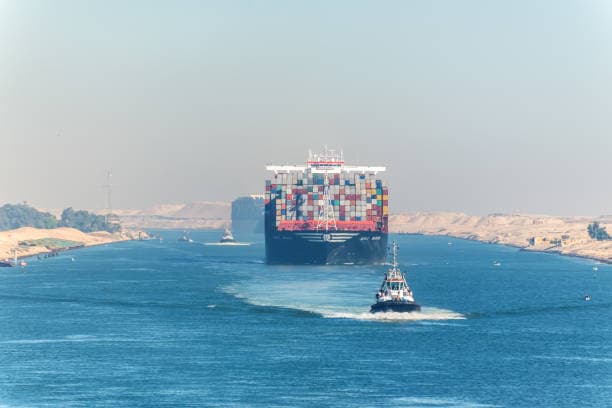
The Houthis are once again threatening to close the Red Sea shipping lanes, a move that could ripple across global trade, freight costs, and chemical logistics. This article examines how the threat impacts freight disruption, fertilizer shipping, and supply chain risk, and explores alternative routes and mitigation strategies.
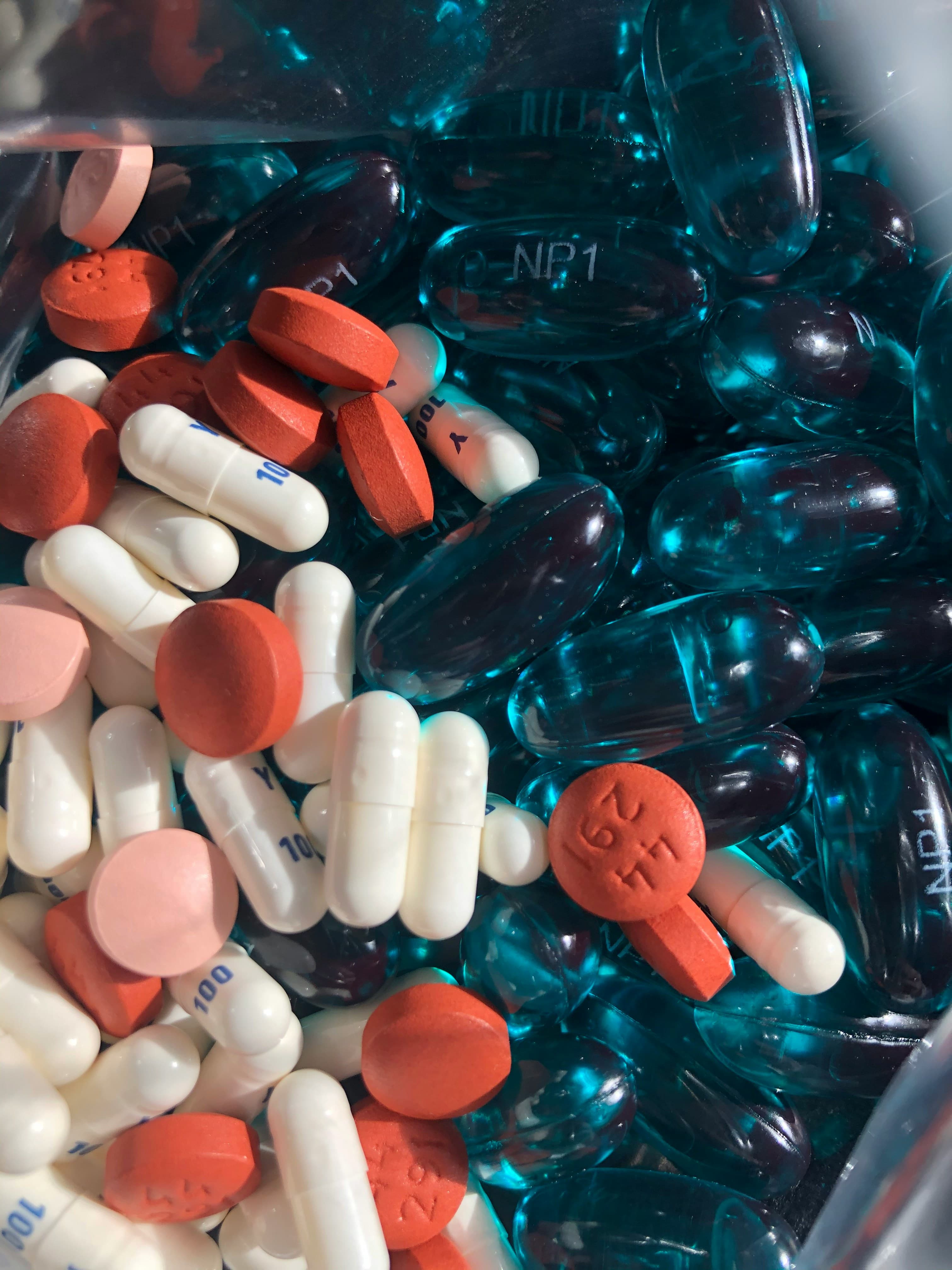
Chinese amino acid producers (L-lysine, L-threonine, taurine, L-methionine, choline chloride) serve global nutraceutical
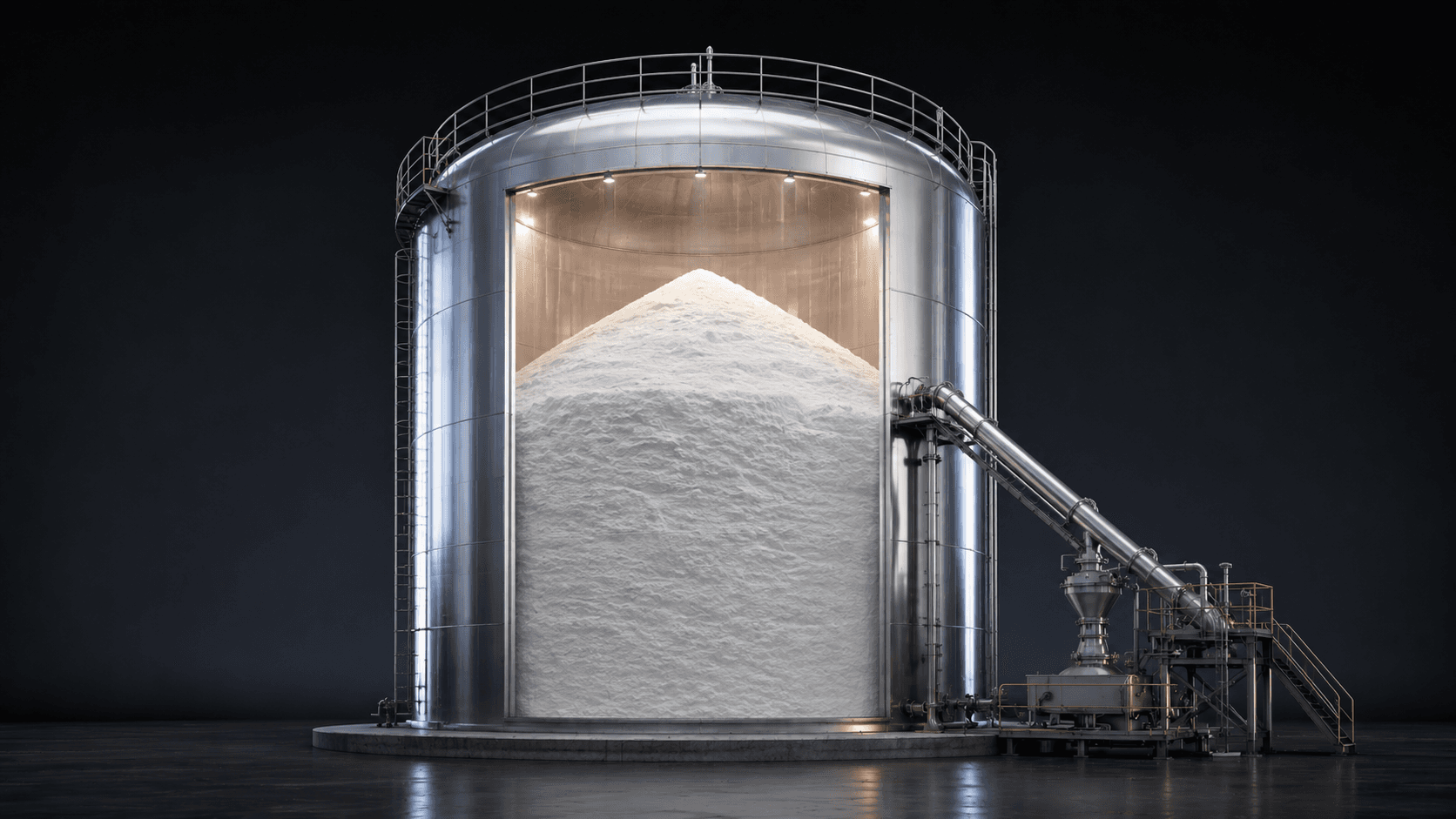
China's soda ash market continues to face domestic oversupply despite months of global trade disruptions. As freight costs begin to soften following lower energy prices, buyers across Europe and Asia are reassessing the competitiveness of Chinese soda ash against higher-cost regional production heading into Q3 2026.
China’s dominance in herbicide and pesticide production is facing growing scrutiny as regulatory pressure, trade investigations, and supply concentration risks push global buyers toward diversified sourcing strategies and alternative suppliers like India.
Acetic acid trade flows across Asia are changing rapidly as Chinese exports rise, India's duty exemption nears expiry and Gulf logistics remain constrained. Procurement teams must reassess sourcing strategies before policy and supply conditions shift again.

The 2026 Hormuz crisis demonstrated that shipping chokepoints are no longer theoretical risks. For chemical buyers, understanding which products depend on vulnerable trade corridors has become essential for procurement planning and supply chain resilience.
We're committed to your privacy. Tradeasia uses the information you provide to us to contact you about our relevant content, products, and services. For more information, check out our privacy policy.