
Boric Acid (99.9% Granular) - Peru CAS: 10043-35-3
Boric Acid (99.9% Granular) - Peru CAS: 10043-35-3
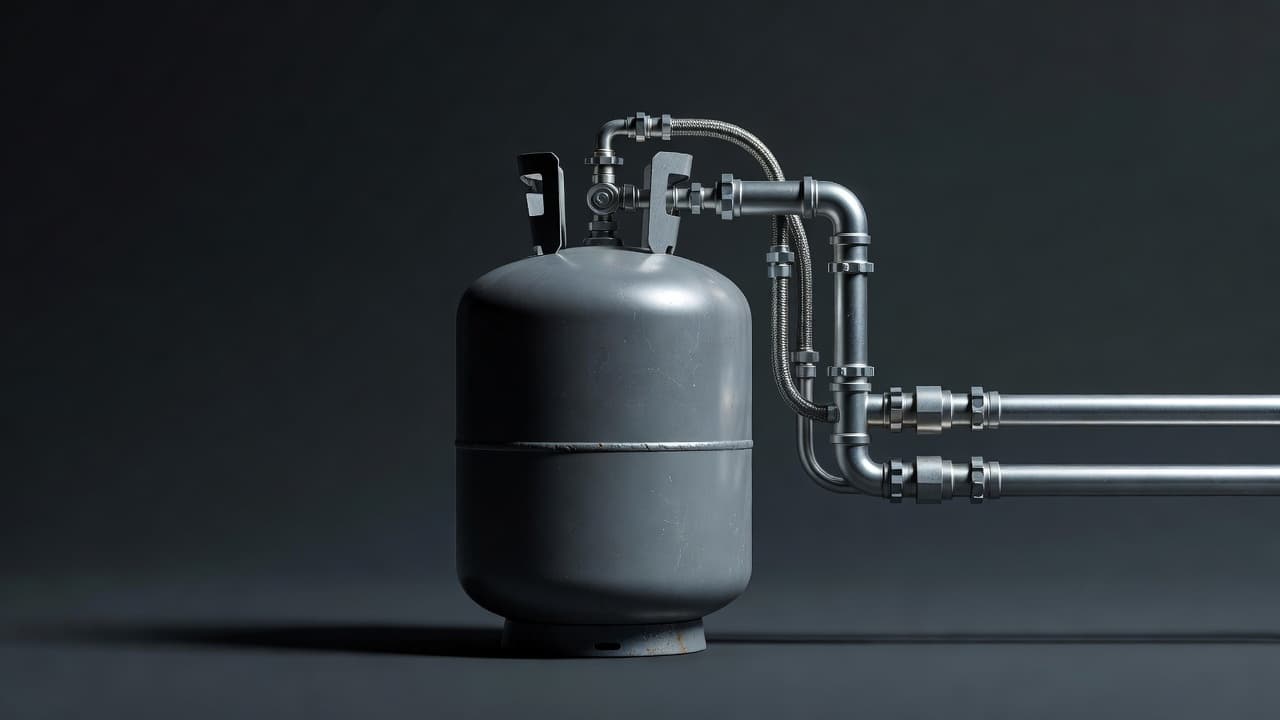
Refrigerant R22 prices surged by more than 2,000 yuan per tonne within a single week during July 2026, drawing attention across China's chemical market. Procurement teams should understand what such rapid movements may signal for refrigerant supply, industrial demand and purchasing strategies.

When a force majeure event ends, chemical companies must act fast to secure contractual rights, support insurance claims, and resume supply chains. This guide lists the legal documents every firm needs to closeout the event and stay compliant.
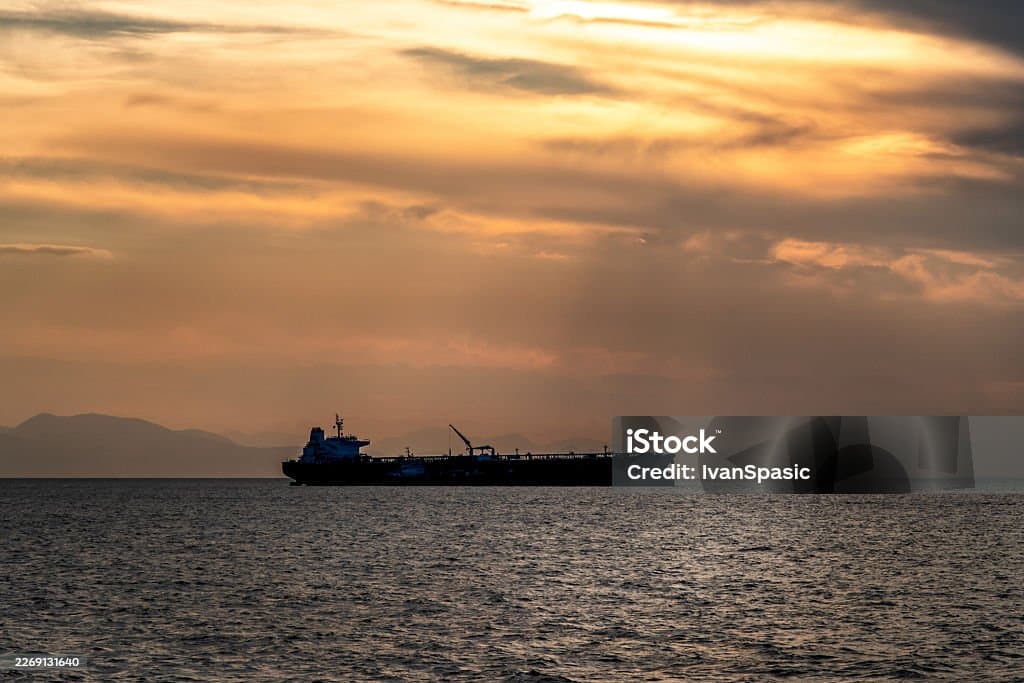
The recent improvement in convoy operations through the Strait of Hormuz has lowered the Hormuz Index, yet it remains alarmingly high at 90. Supply chain risk is still significant because factors beyond vessel movements—such as geopolitical tensions, port constraints, origination volatility, and cybersecurity threats—continue to loom. Chemical procurement teams must broaden their monitoring scope to stay ahead of these risks.

Kpler confirmed 34 vessel crossings through Hormuz on June 30, a sixfold increase over June’s average daily traffic. For chemical procurement professionals, the number signals the first meaningful Gulf supply recovery in months, but sustained movement over the next 48 hours will determine whether true normalization has begun.

The 60-day diplomatic window following the June 2026 MoU is becoming a key milestone for green ammonia investments. Developers and industrial buyers are closely monitoring project timelines, supply security, and future procurement opportunities.

Methanol buyers are facing a critical Q3 planning challenge as Strait of Hormuz transit remains far below normal levels. Physical shipping data now matters more than diplomatic signals when assessing supply availability and pricing risk.
We're committed to your privacy. Tradeasia uses the information you provide to us to contact you about our relevant content, products, and services. For more information, check out our privacy policy.