

Related Insights
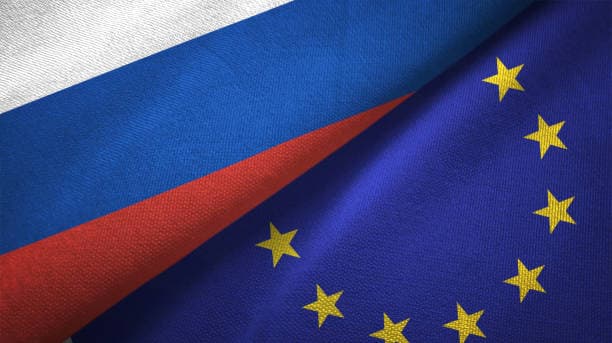
EU Tariffs on Russian Fertilizer Redirect Global Trade Flows
The European Union’s new customs duties on Russian nitrogen, phosphate, and potash have forced farmers and traders worldwide to rethink sourcing, logistics, and pricing strategies. This article explores how the tariffs are reshaping global fertilizer markets, freight routes, and procurement decisions across the agricultural supply chain.
Day 135: The Hormuz Crisis Intelligence Summary ,Ceasefire Collapsed, MoU Clock at 34 Days
A confirmed-data intelligence summary for Day 135 of the Hormuz crisis. Key facts: Trump declared ceasefire

Global Fertilizer Watch: Five Market Shifts Reshaping Procurement Decisions in 2026–2029

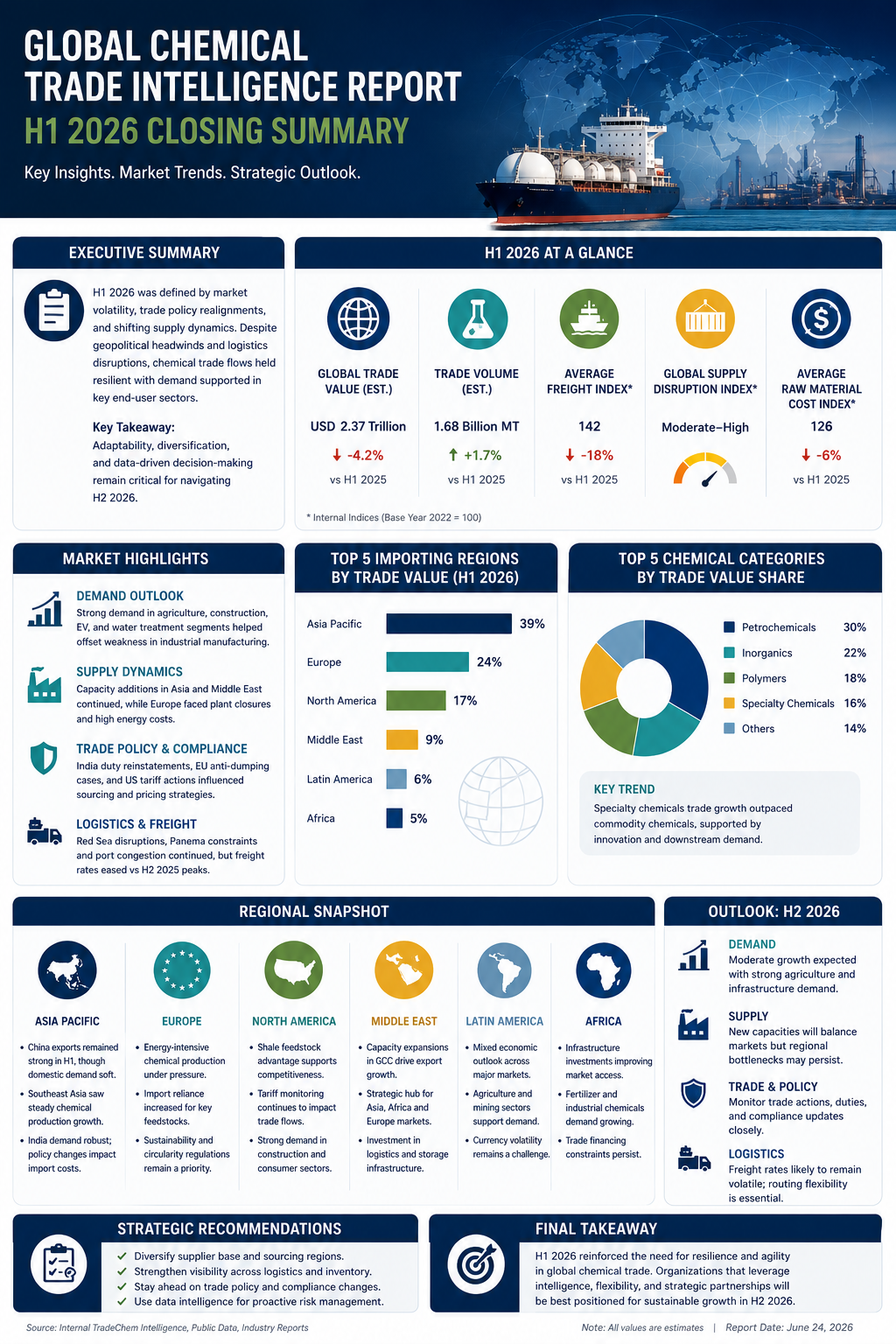
Top 10 Commercial Beneficiaries of the 2026 Hormuz Crisis: Final H1 Ranking
The 2026 Hormuz crisis disrupted global chemical trade, but created major commercial winners. From OCP Morocco and Nutrien to Wanhua Chemical and US exporters, H1 2026 proved that supply chain disruption often shifts value rather than destroying it.
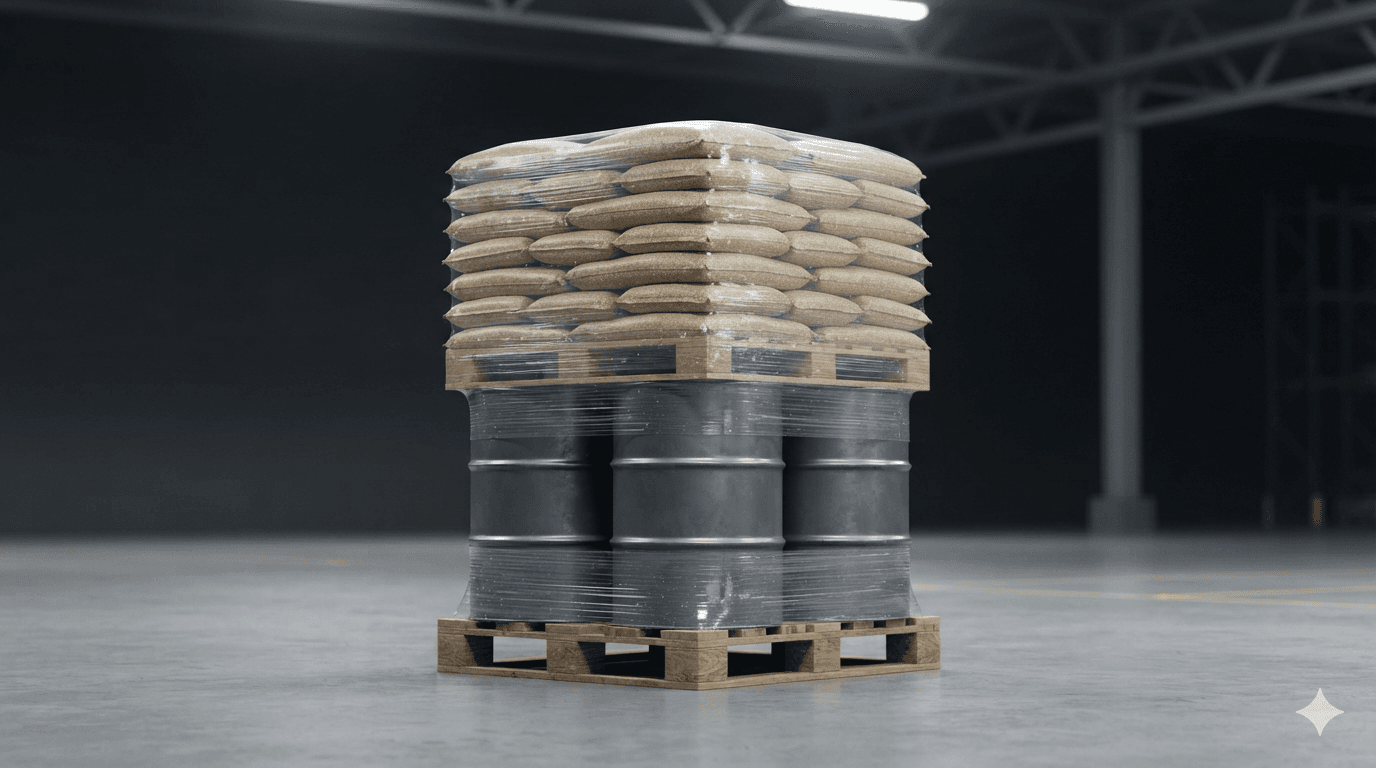
Herbicides, Pesticides, and China Export Restrictions: 2025‑2026 Supply Chain Rewrites
China’s tightening export controls on herbicides, pesticides, and key fertilizer inputs have rattled global agrochemical supply chains. Buyers are diversifying suppliers, boosting inventories, and rethinking procurement strategies. The shift is reshaping the industry’s risk profile and trade patterns.
Fertilizer Trade Intelligence: How Procurement Teams Should Reprice and Recontract in Q3 2026
Fertilizer buyers face a critical Q3 2026 contracting window as urea prices fall 37%, DAP prices correct, and Hormuz supply recovery begins. Procurement decisions now depend on shipping recovery, China’s export policy, and India’s tariff decisions.
Don't miss out on our updates! Subscribe to our newsletter now
We're committed to your privacy. Tradeasia uses the information you provide to us to contact you about our relevant content, products, and services. For more information, check out our privacy policy.