
Cetyl Palmitate CAS: 0540-10-3
Cetyl Palmitate CAS: 0540-10-3
ADNOC’s two‑hub strategy reshapes the UAE chemical market. While Ruwais ramps up convoy operations, Sohar continues to dominate due to its established logistics network and lower congestion. Chemical buyers must weigh cost, risk, and supply‑chain nuances for Q3 2026.

The expiration of the temporary Jones Act waiver has restored standard domestic shipping rules across US chemical logistics. As Gulf Coast supply chains continue recovering, distributors and manufacturers are once again navigating a tighter domestic tanker market and higher coastwise transportation costs.
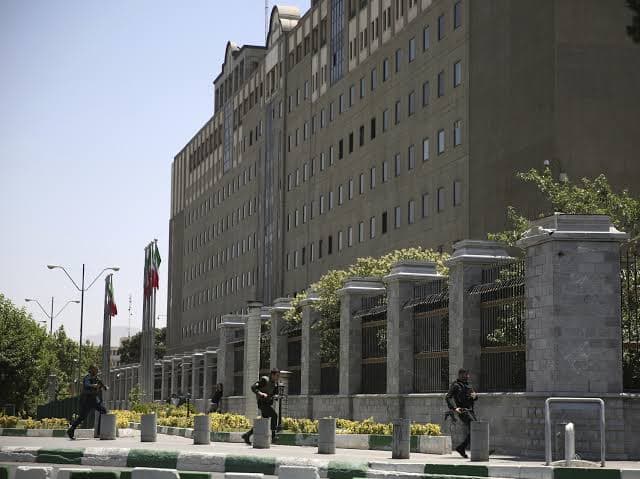
Iran enters H2 2026 presenting three distinct institutional positions on diplomacy, maritime security and international engagement. For chemical buyers, understanding these competing policy signals is becoming as important as monitoring production capacity or sanctions compliance.

The July–August 2026 SVHC update by ECHA is the most significant regulatory change for European chemical buyers this year. Potential additions such as brominated flame retardants, phthalate plasticizers and organotin compounds will trigger immediate compliance obligations. Specialty chemical distributors, manufacturers and importers must act now to avoid regulatory exposure.

Iran's Goreh-Jask Pipeline provides an alternative export route for crude oil, but it does not solve the logistics challenge facing petrochemical exports. Chemical buyers evaluating Iranian sourcing opportunities must understand the difference.

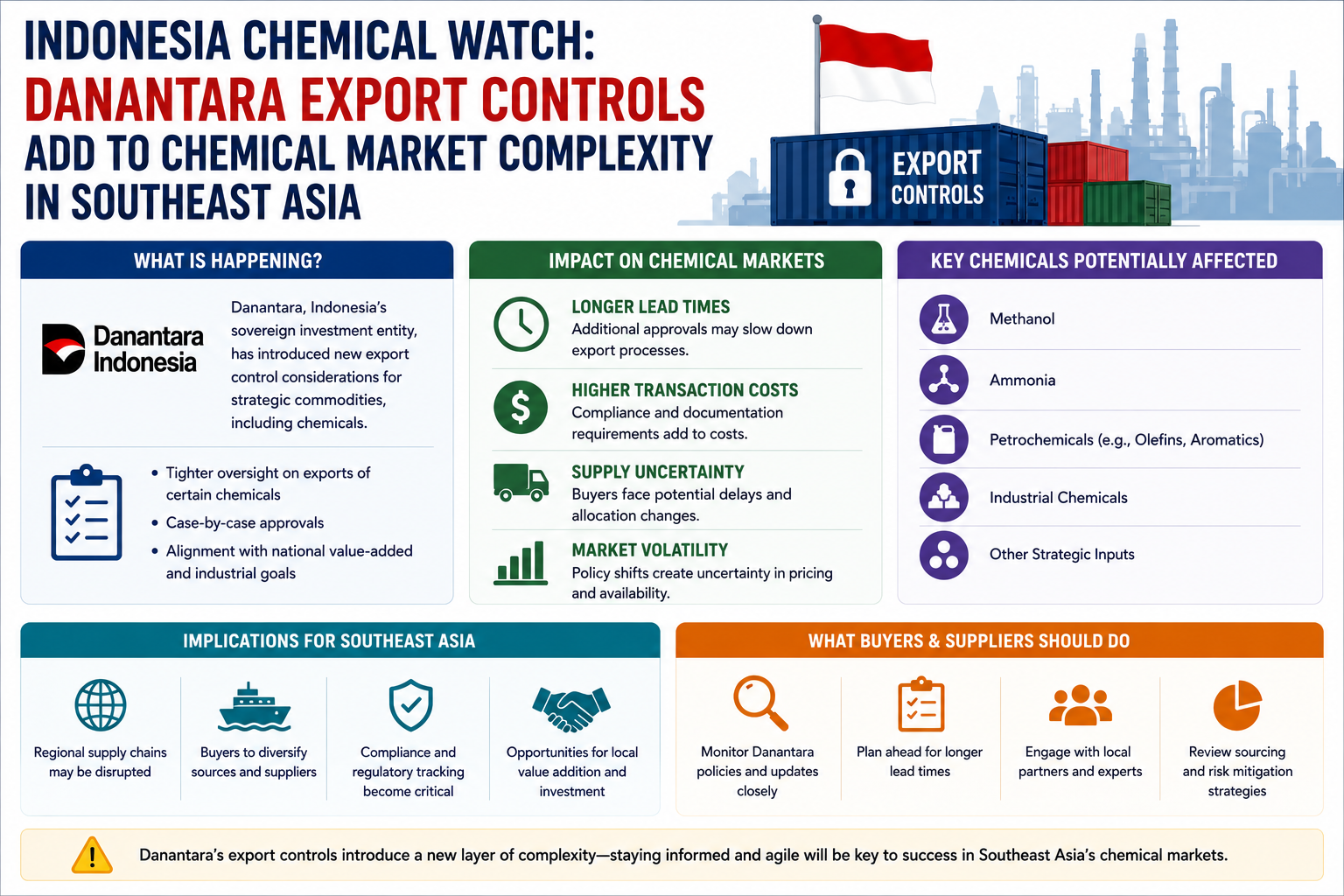
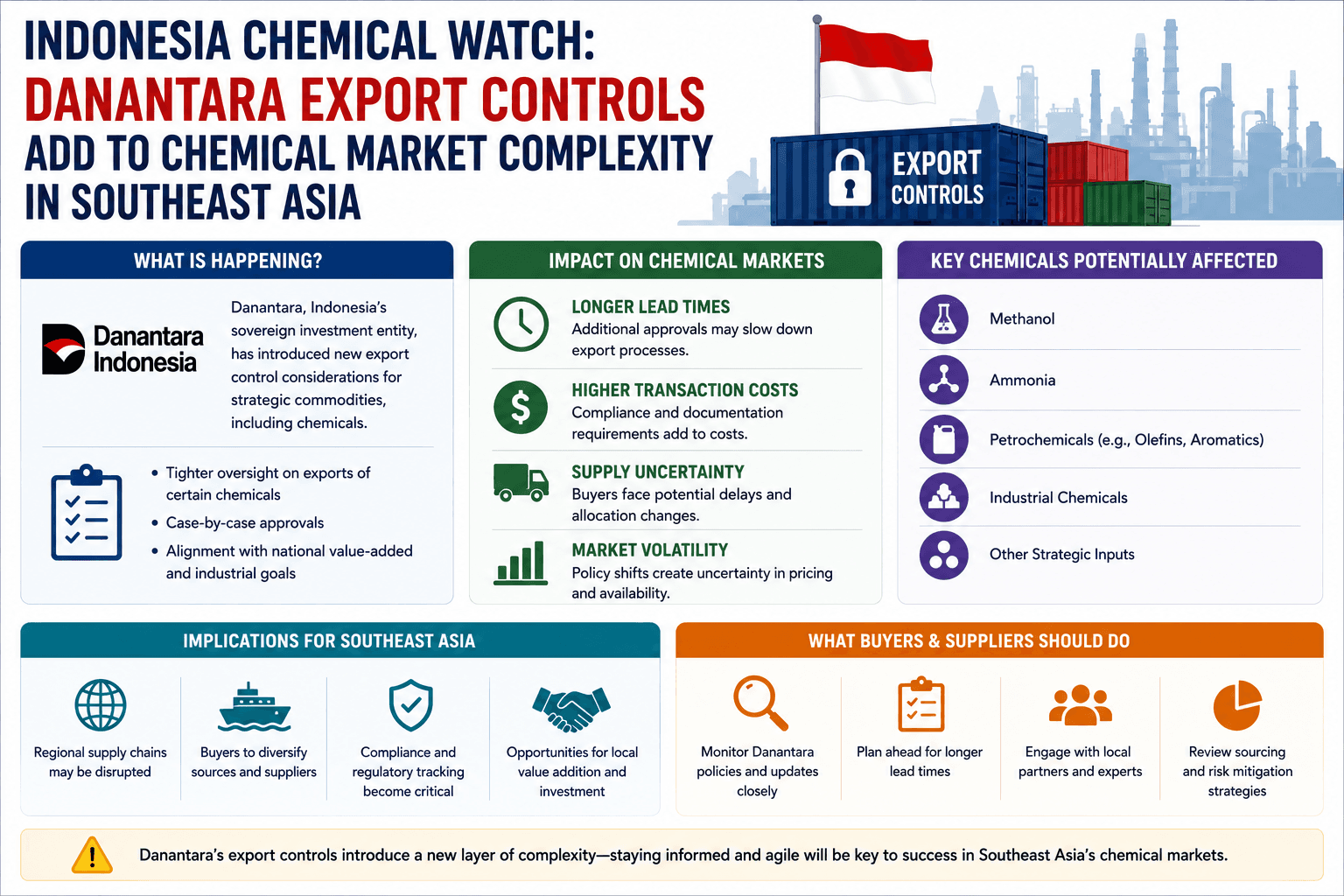
Resource nationalism is reshaping chemical raw material supply chains in 2026. From Guinea’s bauxite to Indonesia’s export controls, Zimbabwe’s lithium ban and the DRC’s cobalt policy, procurement teams face new sovereignty risks. This article outlines strategies to navigate the shifting landscape.
We're committed to your privacy. Tradeasia uses the information you provide to us to contact you about our relevant content, products, and services. For more information, check out our privacy policy.