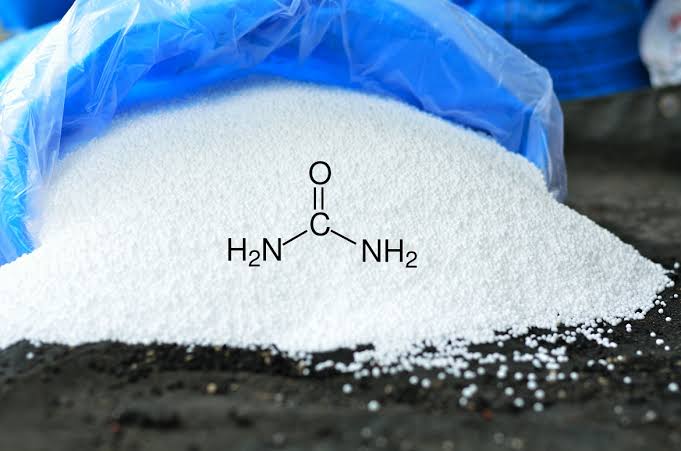

India’s DAP Inventory Surges to 1.96 Mt in 2026
In May 2026, India’s total DAP (diammonium phosphate) stock rose to 1.96 million tonnes, a 12% increase from the previous year’s 1.74 Mt. This jump reflects a combination of strong domestic production, favorable weather for crops, and a strategic buildup by large fertilizer firms.
The Role of DAP in India’s Fertilizer Landscape
Diammonium phosphate is a key component of the country’s phosphate fertilizer mix, accounting for roughly 18% of total phosphate sales. With India’s agrarian sector under pressure to boost yields, DAP’s high nitrogen and phosphorus content makes it a preferred choice for many farmers. The recent inventory rise therefore signals not only a surplus but also a potential shift in demand patterns.
Hidden Stock Buffer: What It Means for the Market
A strategic buffer refers to a stockpile maintained above the normal safety level to guard against supply shocks. In the context of India’s DAP, this buffer could last 3–4 weeks at current consumption rates. Such depth of stock reduces the urgency for imports during price spikes and gives domestic producers more leeway to adjust output.
Import Demand May Softens in the Near Term
Historically, India imports up to 30% of its phosphate fertilizer needs. With an expanded domestic buffer, importers may find themselves negotiating lower volumes, especially if global prices rise. This could lead to a short‑term decrease in import volumes, easing pressure on foreign exchange reserves.
Price Dynamics and Market Sentiment
Supply and demand imbalances typically drive price volatility. A larger domestic stock weakens the supply‑demand imbalance, potentially pulling prices down or stabilizing them. Traders may interpret the 1.96 Mt figure as a bullish sign for domestic producers and a bearish cue for importers.
Domestic Production and Export Opportunities
With a healthy buffer, Indian phosphate producers can focus on maintaining high quality rather than rushing to meet export deadlines. This may open avenues for higher-value exports such as specialty phosphate blends, which command premium prices in niche markets.

Supply Chain Implications
Logistics networks will need to adapt to the new inventory realities. Key points include:
Enhanced storage capacity at major hubs to accommodate the buffer.
Optimized rail and road freight schedules to avoid congestion.
Risk‑management tools such as hedging contracts for price protection.
Policy and Market Outlook
Government policy will play a pivotal role in determining how this buffer translates into market outcomes. Potential policy levers include:
Adjusting import duty rates to reflect the reduced need for foreign phosphate.
Providing incentives for domestic producers to increase output.
Strengthening quality control standards to protect brand reputation.
Risk Factors and Caveats
While the buffer provides a cushion, several risks remain:
Unexpected weather events could disrupt domestic production.
Global price surges might still compel imports if local stocks deplete faster than anticipated.
Currency fluctuations could affect the cost of imported phosphates, altering the attractiveness of domestic inventory.
Ammonium Sulphate - China CAS: 7783-20-2