
Related Insights

War‑Risk Insurance for Chemical & Fertilizer Tankers Set to Surge Again
War‑risk insurance premiums for chemical and fertilizer tankers are poised to climb sharply, raising freight costs and forcing shippers to rethink logistics strategies. The new price surge reflects heightened conflict risks in key shipping lanes and a tightening supply of under‑insured vessels. Companies must now balance cost, safety and supply chain resilience in a volatile market.
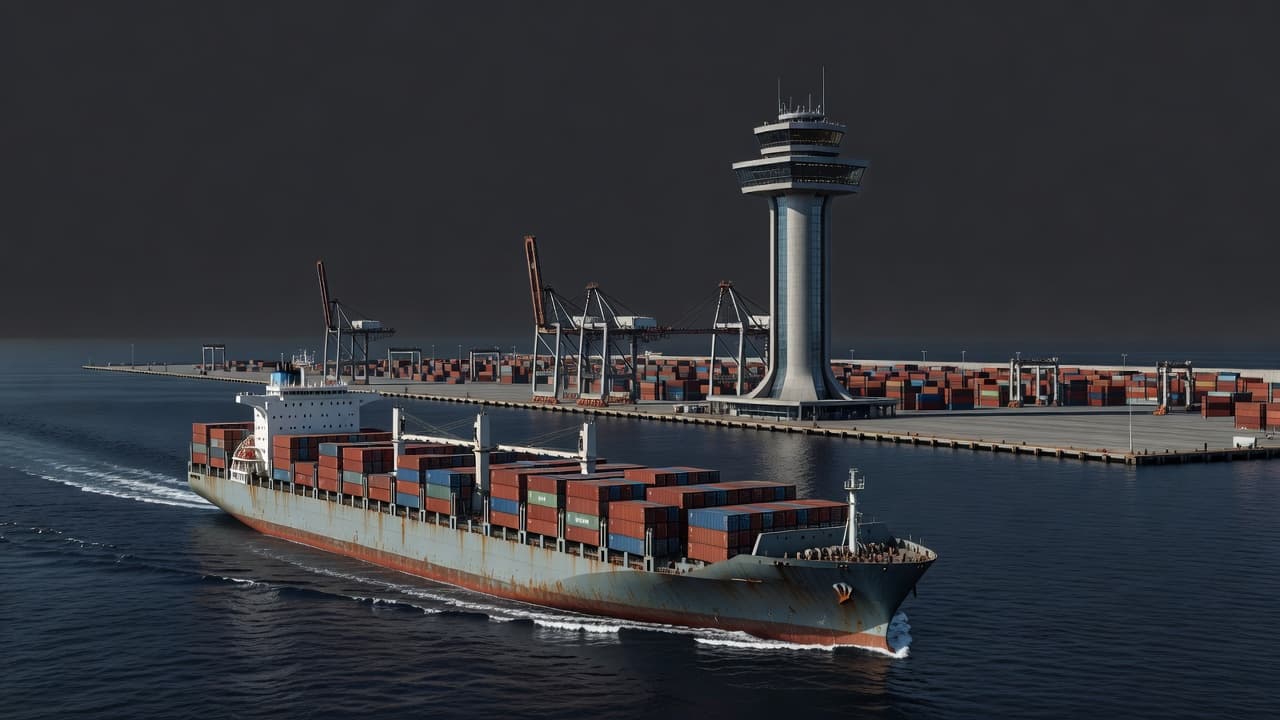
UN Warning of an "Even Wider" Conflict: What It Could Mean for Global Shipping Regulation
A recent UN warning of an "even wider" conflict has renewed attention on international shipping safety and potential multilateral regulatory action. Chemical procurement and compliance teams should monitor developments that could influence maritime operations, logistics and global trade.
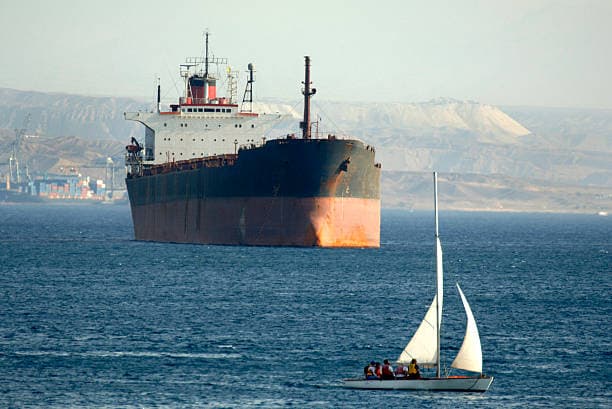
Cape of Good Hope Eclipses Red Sea as Chemical Shipping’s New Default Route
The Cape of Good Hope is emerging as the fallback route for chemical shipping as security risks in the Red Sea grow. This shift reshapes freight routes and impacts tanker logistics worldwide. Discover how maritime trade is adapting to new threats.
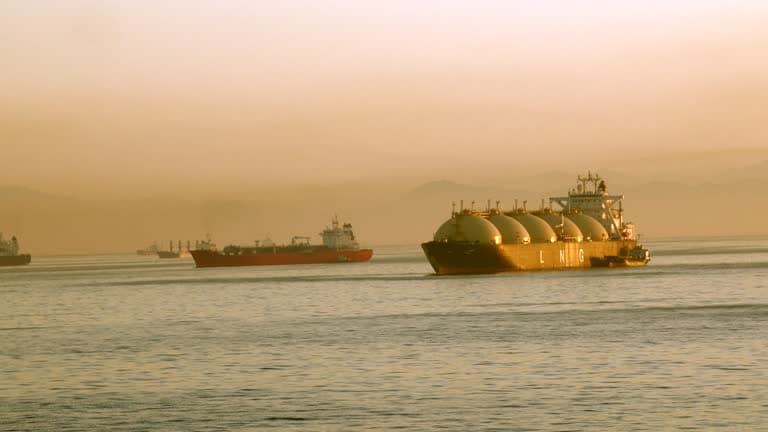
Insurance Withdrawal, Not Physical Blockade, Is What Actually Stops Hormuz Shipping
Insurance withdrawals can halt shipping through the Strait of Hormuz faster than any physical blockade. When insurers pull war‑risk coverage, tanker and chemical cargoes face costly delays, forcing operators to seek alternative routes or pay premium rates.
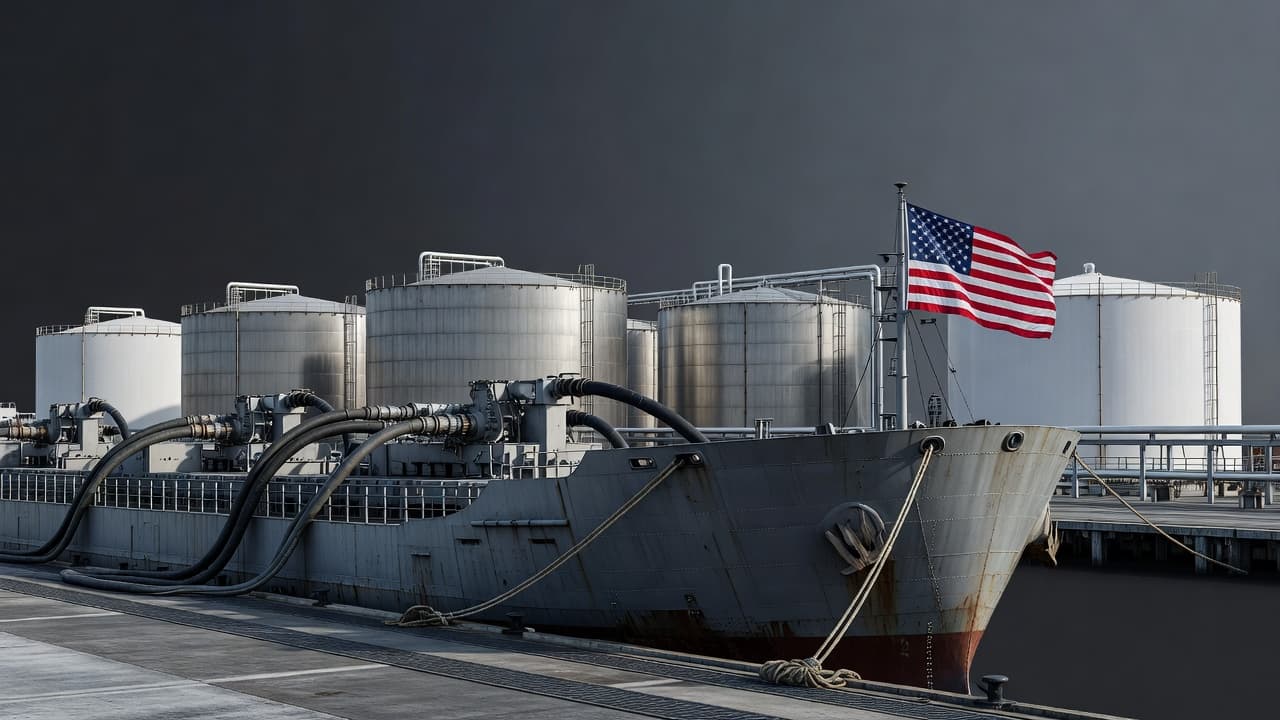
Jones Act Waivers as a Regulatory Tool: What Earlier Shipping Relief Could Mean for Chemical Logistics
A previous 60-day Jones Act waiver eased fertilizer and petroleum transport during supply chain disruption. Chemical procurement and compliance teams should understand how similar regulatory measures could influence domestic logistics, freight availability and contingency planning.

Japan's China Fatigue: Why Chemical Makers Are Redirecting Investment to India
Japanese chemical manufacturers are shifting investment away from China toward India after years of deepening engagement in Chinese markets. The pivot centers particularly on solar materials and reflects broader frustrations with operating conditions in China that procurement teams managing Asian supply chains must understand as sourcing patterns reshape across the region.
Don't miss out on our updates! Subscribe to our newsletter now
We're committed to your privacy. Tradeasia uses the information you provide to us to contact you about our relevant content, products, and services. For more information, check out our privacy policy.