
How Trade Flows Shift During Supply Disruptions
Global chemical trade depends on complex networks of suppliers, shipping routes, ports, and logistics providers. When a disruption occurs—whether due to geopolitical conflict, natural disasters, trade restrictions, or transportation bottlenecks—chemical trade flows can change rapidly. For procurement teams, traders, and manufacturers, understanding these shifts is essential for maintaining supply continuity and minimizing business risk.
Understanding Chemical Trade Flows
Chemical trade flows refer to the movement of chemical products between producing and consuming regions worldwide. Major exporting hubs such as China, Saudi Arabia, the United States, and Germany supply chemicals to manufacturers across Asia, Europe, Africa, and Latin America.
Under normal conditions, trade routes are optimized based on cost, transit time, and supplier relationships. However, supply chain disruptions can force companies to adjust sourcing strategies and redirect shipments through alternative channels.
Why Supply Disruptions Occur
Several factors can interrupt the normal movement of chemicals across global markets:
Geopolitical conflicts and sanctions
Port congestion and shipping delays
Natural disasters such as hurricanes, floods, and earthquakes
Trade policy changes and tariffs
Raw material shortages
Energy supply disruptions
Labor strikes and transportation bottlenecks
Because many chemical supply chains operate on just-in-time inventory models, even minor disruptions can create significant ripple effects throughout global markets.
AI Image Prompt: Photorealistic industrial image of congested shipping ports with container vessels waiting offshore, chemical storage tanks, cargo trucks, and rerouted logistics operations. No text, no labels, ultra HD.
How Trade Routes Change During Disruptions
When a major supplier becomes unavailable, buyers often seek alternative sourcing locations. This can quickly reshape global trade patterns.
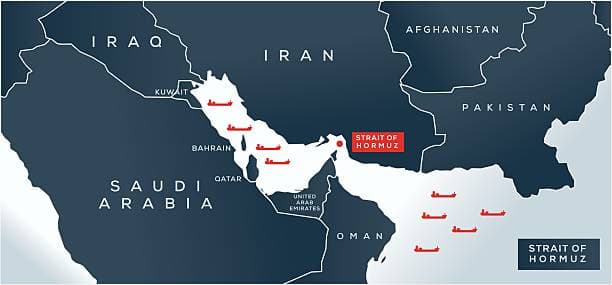
For example, when European chemical production faces high energy costs, buyers may increase imports from the Middle East, China, or the United States. Similarly, disruptions affecting Asian exports can encourage procurement teams to source products from regional suppliers closer to end markets.
These shifts often create new trade corridors and increase demand for logistics infrastructure in alternative exporting regions.

The Growing Importance of Alternative Suppliers
Supplier diversification has become a critical component of supply risk management. Relying heavily on a single country or supplier increases exposure to unexpected disruptions.
Many procurement organizations now maintain approved supplier networks across multiple regions, including:
China
India
Saudi Arabia
United Arab Emirates
United States
Southeast Asia
A diversified sourcing strategy helps companies respond more quickly when supply interruptions occur.
Impact on Chemical Prices
Supply disruptions frequently lead to price volatility. Reduced availability can increase competition for limited inventories, pushing prices higher.
Several factors influence pricing during disruptions:
Freight cost increases
Longer shipping routes
Higher insurance premiums
Raw material shortages
Inventory stockpiling
Specialty chemicals often experience the most significant price fluctuations because fewer qualified suppliers exist compared to commodity chemicals.
Regional Winners and Losers
Supply disruptions can create opportunities for some regions while challenging others.
Exporters with stable production capacity often gain market share when competitors face operational issues. For example, Middle Eastern petrochemical producers may benefit when production constraints affect Europe or Asia.
At the same time, importing countries that depend heavily on a single source may face increased procurement costs and longer lead times.
Technology's Role in Managing Trade Flow Shifts
Digital procurement platforms and supply chain analytics tools help organizations monitor market changes in real time. These technologies provide visibility into:
Supplier performance
Shipping schedules
Inventory levels
Price movements
Trade restrictions
Improved visibility enables procurement teams to make faster sourcing decisions and reduce disruption-related risks.
AI Image Prompt: Photorealistic industrial control center displaying global trade routes, logistics dashboards, shipping data, and chemical supply chain analytics. No text, no labels, ultra HD.
Future Outlook
Supply chain resilience is becoming a strategic priority across the chemical industry. Companies are increasingly investing in supplier diversification, regional sourcing strategies, and digital monitoring systems.
As geopolitical uncertainty, climate-related events, and regulatory changes continue to affect global markets, trade flows will remain dynamic. Organizations that proactively manage sourcing risks will be better positioned to maintain operational continuity and secure competitive advantages.
The Bottom Line for Procurement Teams
Supply disruptions can rapidly alter global chemical trade flows, creating both risks and opportunities. Procurement professionals should diversify supplier networks, monitor market developments closely, and maintain contingency sourcing plans. Businesses that build resilient supply chains today will be better prepared for tomorrow's disruptions.
Looking for reliable chemical suppliers across multiple regions? Explore verified global suppliers and strengthen your sourcing strategy through our platform.