
Calcium Hydroxide - China CAS: 1305-62-0

The collapse of the June 17 ceasefire and the resumption of tanker attacks have renewed attention on war-risk insurance pricing for global shipping. Chemical procurement teams should evaluate freight costs, insurance exposure and logistics contingency plans.

The withdrawal of the proposed 20% Hormuz cargo fee only days after it was announced highlights how quickly trade policy can change. Chemical procurement and compliance teams should document policy shifts and maintain flexible compliance processes to reduce operational risk.
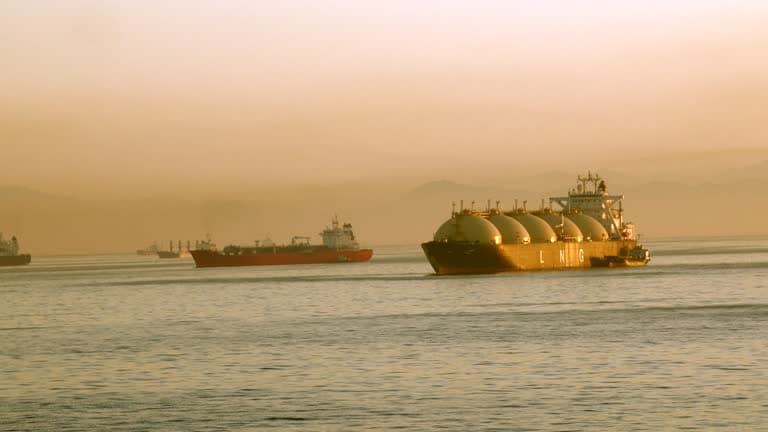
Insurance withdrawals can halt shipping through the Strait of Hormuz faster than any physical blockade. When insurers pull war‑risk coverage, tanker and chemical cargoes face costly delays, forcing operators to seek alternative routes or pay premium rates.
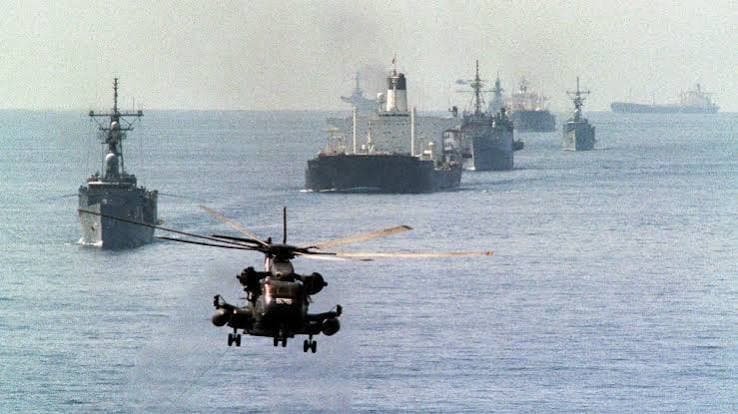
The introduction of escorted convoy operations is reshaping the marine insurance landscape. As P&I clubs begin their quarterly underwriting reviews, chemical shippers are watching closely for potential changes to Hormuz war risk coverage and premium structures.
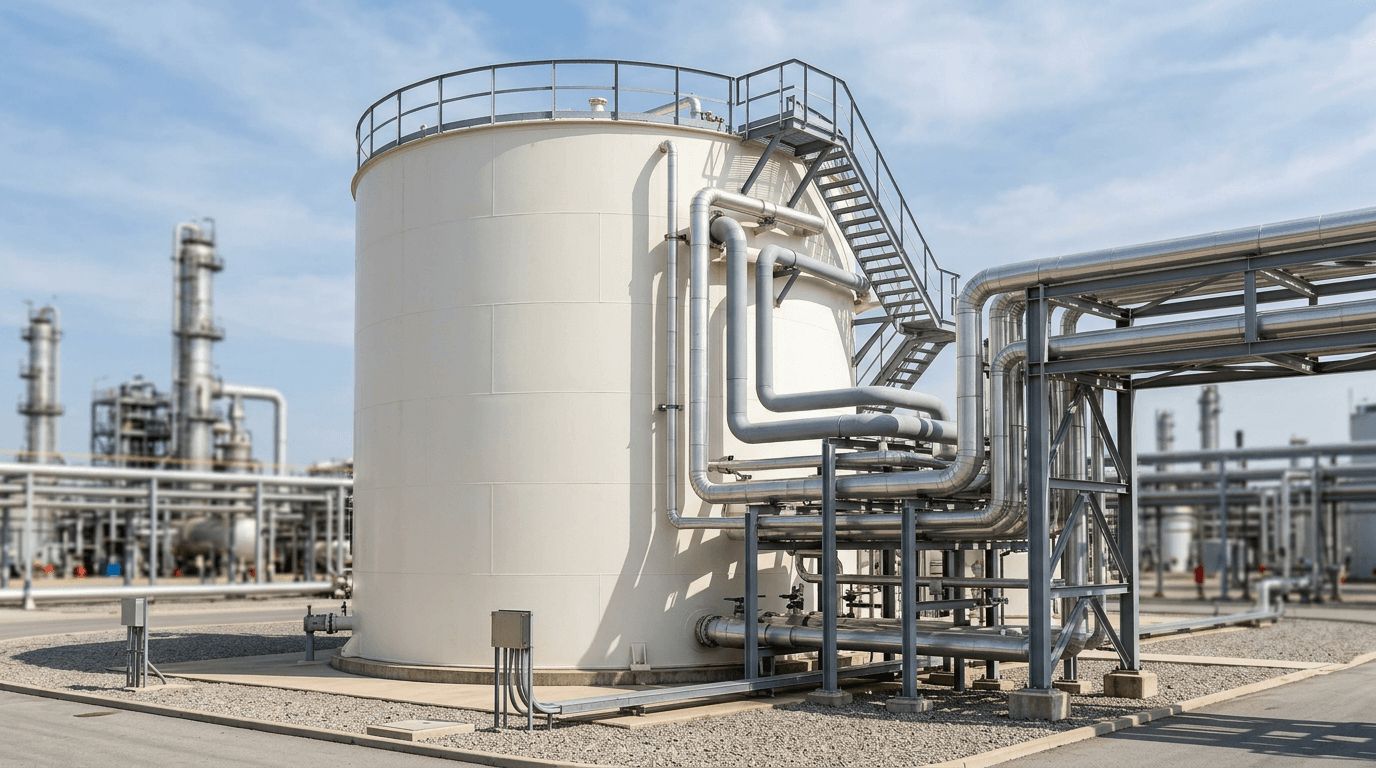
Conflicting statements about Iran negotiations create uncertainty for global chemical procurement teams. The latest Strait of Hormuz supply signals show why buyers should rely on verified logistics data instead of political headlines.
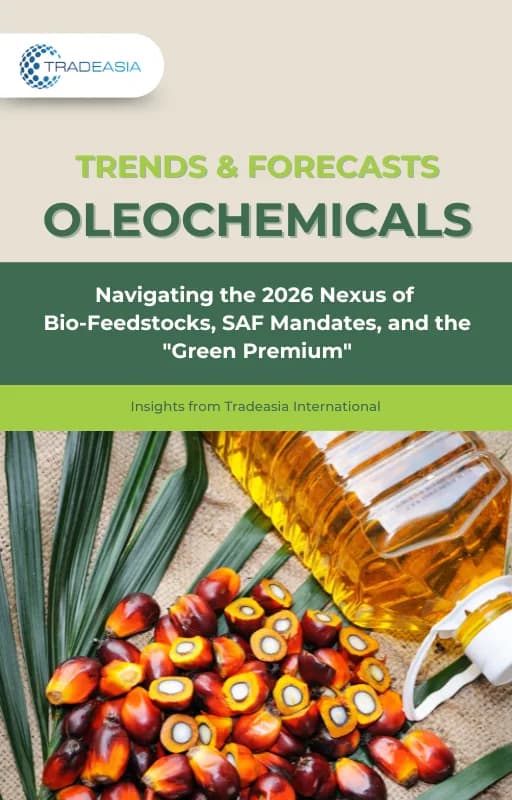
China became the world's swing supplier during the Hormuz crisis, filling global supply gaps across commodity and specialty chemicals. As Gulf exports recover in H2 2026, Beijing is strengthening domestic chemical manufacturing while international buyers shift toward balanced multi-origin sourcing strategies.
We're committed to your privacy. Tradeasia uses the information you provide to us to contact you about our relevant content, products, and services. For more information, check out our privacy policy.