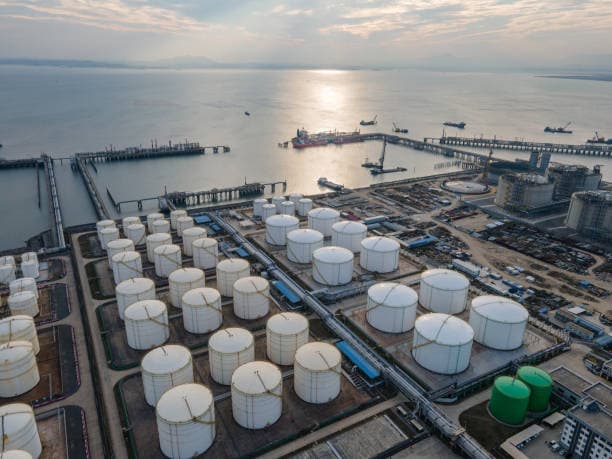
The 2026 Hormuz crisis fundamentally changed how chemical supply chains are managed.
Before the disruption, vessel tracking platforms and maritime intelligence services were often viewed as optional tools used primarily by shipping companies and specialist traders. Procurement teams generally relied on freight forwarders, carriers and periodic shipment updates.
That operating model is quickly disappearing.
Today, real-time logistics intelligence has become an essential capability for chemical manufacturers, distributors and procurement organizations managing international supply chains.
Knowing where a shipment is no longer provides a competitive advantage.
It has become a basic operational requirement.
Why Digital Visibility Matters More Than Ever
Modern chemical supply chains depend on accurate information.
During periods of geopolitical uncertainty, companies need immediate visibility into:
Vessel locations
Port congestion
Shipping delays
Transit risks
Route changes
Estimated arrival times
Without reliable data, procurement teams struggle to make informed decisions regarding inventory, production scheduling and customer commitments.
Real-time visibility reduces uncertainty across the entire supply chain.
The Hormuz Effect on Logistics Technology
The Hormuz disruption exposed a major weakness in traditional logistics management.
Many organizations depended on:
Manual shipment updates
Weekly logistics reports
Carrier emails
Freight forwarder notifications
These methods proved inadequate during rapidly changing conditions.
Companies increasingly shifted toward digital monitoring platforms capable of providing continuous operational updates.
The result has been accelerated adoption of maritime intelligence technologies throughout the chemical industry.
AIS: The Foundation of Vessel Tracking
Automatic Identification System (AIS) technology has become one of the most valuable tools available to logistics professionals.
AIS continuously broadcasts vessel information including:
Ship identity
Position
Speed
Course
Destination
Estimated arrival time
For chemical cargo owners, this provides significantly greater shipment visibility than traditional logistics reporting.
Instead of waiting for updates, procurement teams can monitor vessel movements almost in real time.

PortWatch Brings Port Congestion Into Focus
Knowing where a vessel is represents only part of the logistics picture.
Port conditions also matter.
Port congestion can affect:
Berthing schedules
Cargo discharge
Container availability
Terminal productivity
Overall transit times
Digital port intelligence platforms allow logistics teams to monitor operational conditions across major international gateways.
This information supports better planning for both imports and exports.
Advanced Cargo Analytics
Beyond basic vessel tracking, specialized analytics platforms provide deeper supply chain intelligence.
These solutions help organizations analyze:
Cargo Flow Patterns
Understand changing trade routes.
Fleet Movements
Monitor vessel deployment.
Transit Trends
Identify delays before they become disruptions.
Route Risk
Evaluate exposure to geopolitical events.
This level of analysis supports more proactive decision-making.
Why Multiple Data Sources Matter
One of the biggest lessons from recent disruptions is that no single information source provides a complete picture.
Experienced logistics organizations increasingly compare information from multiple platforms.
Benefits include:
Data verification
Improved accuracy
Reduced reporting errors
Faster anomaly detection
Independent confirmation improves confidence in operational decisions.
Building a Digital Logistics Intelligence Function
Many companies are now formalizing logistics intelligence as a dedicated operational capability.
Rather than relying solely on procurement or freight teams, organizations are creating structured monitoring processes.
Typical responsibilities include:
Vessel Tracking
Daily shipment monitoring.
Port Intelligence
Review congestion and operational updates.
Risk Assessment
Identify emerging supply chain threats.
Supplier Coordination
Communicate shipment status.
Internal Reporting
Provide management with regular logistics updates.
This structured approach improves organizational responsiveness.
Daily Monitoring Should Become Standard Practice
The frequency of supply chain disruptions during 2026 has demonstrated the value of routine monitoring.
A practical daily workflow may include:
Review Vessel Positions
Confirm shipment progress.
Check Port Conditions
Monitor loading and discharge ports.
Assess Transit Risks
Identify weather, security or congestion issues.
Update Delivery Forecasts
Adjust customer expectations if necessary.
Communicate Changes
Share critical updates across procurement and operations teams.
Routine monitoring often prevents larger operational problems.
Benefits for Chemical Procurement
Real-time logistics intelligence improves procurement performance in several ways.
Better Inventory Planning
More accurate arrival estimates.
Faster Response to Disruptions
Earlier identification of supply chain risks.
Improved Supplier Coordination
Greater visibility supports more productive discussions.
Enhanced Customer Service
Reliable delivery updates improve communication.
Lower Operational Risk
Better information supports better decisions.
These benefits extend well beyond transportation alone.
Preparing for the Future
The adoption of digital logistics platforms is unlikely to reverse after current disruptions ease.
Several long-term trends support continued investment:
Increasing geopolitical uncertainty
More complex global supply chains
Growing customer expectations
Greater regulatory oversight
Digital transformation initiatives
As a result, maritime intelligence is becoming a permanent component of chemical supply chain management.
Best Practices for Chemical Companies
Organizations should consider implementing several long-term measures.
Subscribe to Multiple Intelligence Sources
Avoid dependence on a single data provider.
Establish a Logistics Intelligence Role
Assign clear responsibility for monitoring.
Standardize Daily Reviews
Make shipment visibility part of routine operations.
Integrate Data Into Procurement
Use logistics intelligence during sourcing decisions.
Review Performance Regularly
Continuously improve monitoring processes.
These practices strengthen resilience across the supply chain.
Methanol CAS: 67-56-1