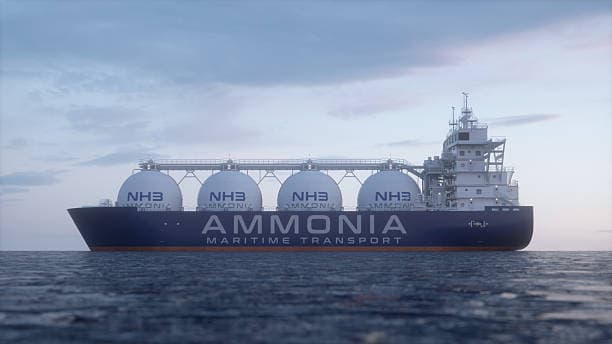
The 2026 ammonia tender announced by FACT India is more than a procurement exercise; it is a strategic pivot toward formula‑linked pricing in the face of unprecedented fertilizer price swings. By tying the cost of ammonia to a transparent formula rather than spot market fluctuations, FACT aims to anchor supply costs and secure margins for its downstream fertilizer operations.
Why Formula Pricing Matters
Ammonia, the cornerstone of urea and other nitrogenous fertilizers, is subject to volatile raw material costs, shipping rates, and regulatory changes. Traditional tender models based on spot prices expose buyers to sharp cost spikes. The formula pricing model mitigates this exposure by:
Linking the price to a weighted average of key input indices such as natural gas, electricity, and crude oil.
Providing a built‑in adjustment mechanism that reflects real‑time market shifts while preventing abrupt price jumps.
Ensuring that both buyer and seller share the risk, fostering long‑term partnership stability.
FACT India’s Long‑Duration Tender
FACT’s 2026 tender spans a 10‑year period, a significant extension compared to typical 2‑to‑3 year contracts in the sector. This duration offers several advantages:
Price Certainty: With a fixed formula, downstream fertilizer plants can lock in ammonia costs for a decade, simplifying budgeting and financial planning.
Supply Security: FACT’s commitment to supply under the agreed formula enhances confidence for suppliers, encouraging investments in capacity upgrades.
Regulatory Alignment: The tender aligns with Indian government initiatives to stabilize agricultural input costs and support farmer incomes.
Implications for Fertilizer Procurement
The shift to formula pricing redefines fertilizer procurement strategies across the industry. Key implications include:
Risk Management: Procurement teams can now adopt a hedging strategy that incorporates the formula, reducing exposure to commodity volatility.

Contract Negotiation: Negotiations will focus on the composition of the underlying indices, weightings, and adjustment frequencies rather than solely on price points.
Transparency: The publicly disclosed formula fosters market transparency, a factor that can attract new suppliers and encourage competitive bidding.
Challenges and Considerations
While formula pricing offers stability, it introduces new complexities:
Index Selection: Choosing appropriate indices that accurately reflect input cost dynamics requires careful analysis.
Adjustment Frequency: Balancing between too frequent adjustments (which can erode the stability advantage) and too infrequent ones (which may lead to misalignment with market realities).
Regulatory Oversight: Ensuring compliance with evolving environmental and trade regulations that could impact index components.
Industry Outlook
FACT India’s tender is likely to set a benchmark, prompting other major fertilizer producers to adopt similar models. Anticipated outcomes include:
Increased market confidence as price predictability grows.
Enhanced collaboration between suppliers and buyers, fostering joint innovation in process efficiencies.
A gradual shift toward long‑duration, formula‑linked contracts becoming the norm in global fertilizer procurement.
The 2026 ammonia tender by FACT India represents a pivotal moment in the chemical industry. By embedding formula pricing into a long‑duration contract, FACT is not only safeguarding its own procurement chain but also paving the way for a more resilient, transparent, and collaborative fertilizer market. Stakeholders across the value chain should prepare to adapt to this new paradigm, ensuring that the benefits of stability and predictability are fully realized.
Ammonium Chloride CAS: 12125-02-9