
Introduction
The specialty chemical industry has seen sluggish growth in recent years, largely due to shifting demand in traditional sectors and tightening environmental regulations. Yet within this broader landscape, the electronic chemicals market—particularly the semiconductor sector—offers a bright spot. In 2026, the rapid expansion of semiconductor fabs worldwide fuels a surge in demand for high‑purity chemicals such as sulfuric acid, CMP slurries, and solvents essential for chip manufacturing.
Why Semiconductors Stand Out
Semiconductor manufacturing is an extremely resource‑intensive process that relies on chemicals of the highest purity. Even trace impurities can ruin a wafer, leading to costly yield losses. This stringent requirement creates a niche where specialty chemicals can command premium prices and maintain healthy margins.
Key factors driving demand include:
Global chip shortage recovery: The pandemic‑induced chip shortage accelerated investment in new fabs.
Rise of 5G and AI: These technologies increase the need for advanced chips, pushing fabs to adopt cutting‑edge processes.
Government support: Many countries are investing billions in domestic semiconductor production to reduce supply chain risk.
High‑Purity Sulfuric Acid: The Backbone of Etching
High‑purity sulfuric acid (HPA) is a critical reagent in the etching and cleaning steps of wafer fabrication. Its role is twofold: it removes unwanted material from the wafer surface and prepares the substrate for subsequent deposition layers.
Demand Drivers
1. Advanced lithography: As fabs adopt extreme ultraviolet (EUV) lithography, the etching process becomes more precise, requiring acids with 0.001 ppm impurity levels.
2. Yield improvement initiatives: Manufacturers are investing in higher‑purity consumables to reduce defect rates.
Market Outlook
Industry forecasts predict a 5% CAGR for HPA in the semiconductor segment through 2029, outpacing the overall specialty chemical market by nearly 3%.
CMP Slurry Market: Polishing to Perfection
Chemical Mechanical Polishing (CMP) is essential for achieving the flatness and surface quality required in modern chips. CMP slurries—composed of abrasive particles and polishing chemicals—are the heart of this process.
Key Innovations
Nanoparticle abrasives: Smaller, more uniform particles enable smoother finishes.
Eco‑friendly additives: Reduced hazardous waste aligns with stricter environmental standards.
Growth Drivers
The CMP slurry market is poised to grow at a 7% CAGR, fueled by the launch of 7nm and 5nm process nodes that demand tighter surface control.
Semiconductor Solvents: The Invisible Backbone
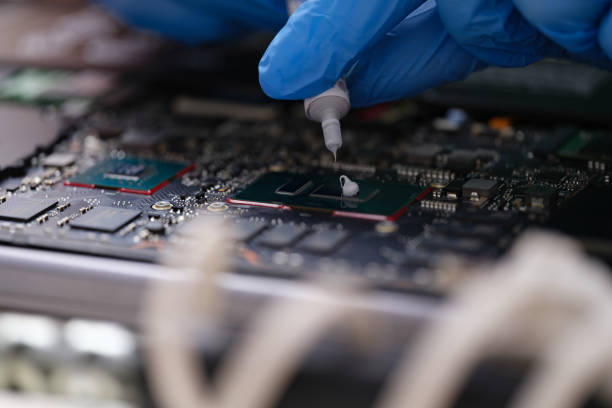
High‑purity solvents are used throughout wafer processing, from cleaning to photoresist removal. Their purity directly impacts yield and device reliability.
Common Solvents in Use
Isopropyl alcohol (IPA) – 99.9% purity for final cleaning steps.
Acetone – 99.5% purity for photoresist stripping.
Hexane – 99.9% purity for spin‑coating resists.
Supply Chain Considerations
Because demand is highly concentrated in a few advanced fabs, supply chains for these solvents are tightly controlled. Companies that can guarantee consistent purity and minimal batch variance enjoy a competitive edge.
Profitability Landscape
Unlike many specialty chemical segments where margins are eroded by price competition, the semiconductor chemicals niche benefits from:
High switching costs for fabs, which lock in suppliers for multi‑year contracts.
Regulatory barriers that limit new entrants.
Strong intellectual property protection around advanced slurry formulations.
Strategic Recommendations for Chemical Suppliers
1. Invest in R&D: Develop ultra‑pure formulations that exceed fab specifications.
2. Build long‑term partnerships: Offer integrated solutions with process expertise.
3. Diversify solvent portfolios: Include emerging green solvents to meet sustainability targets.
Polyoxyethylene Lauryl Ether - Taiwan CAS: 9002-92-0